Home Compostable vs. Industrial Compostable What’s the Difference?

You should know the difference between home compostable and industrial compostable packaging pouches. Home compostable pouches break down in your backyard compost. Industrial compostable pouches need special places to break down. Knowing this helps you pick food packaging that fits your eco friendly goals. Many people think compostable pouches disappear in any bin, but that is not true. In 2026, the home compostable packaging pouch market will reach about US$0.27 billion. This shows more people want sustainable choices.
 

Key Takeaways

  • Home compostable pouches break down in your backyard compost. Industrial compostable pouches need special places with high heat.
  • Look for labels like 'OK Compost Home' on home compostable pouches. This helps you know they meet composting rules.
  • Home compostable choices are good for small families. They help you make less trash and create healthy soil for your garden.
  • Industrial compostable pouches work well for businesses that need lots of packaging. Make sure your local place can take them.
  • Always check the composting needs and how long it takes to break down. This helps you pick the best pouch for you.


What Are Home and Industrial Compostable Packaging Pouches?
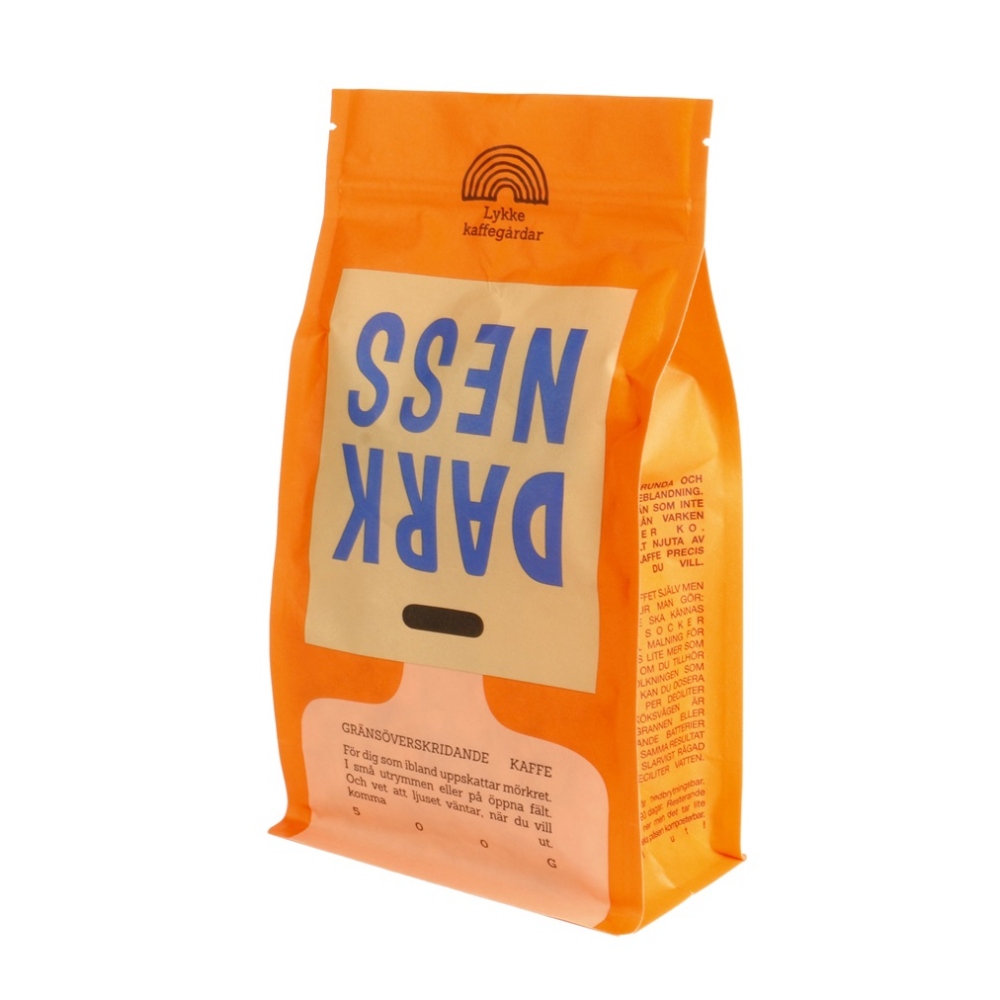
 

Compostable Biodegradable Coffee Flat Bottom Pouch

Home Compostable Packaging Pouch Defined

You can pick a home compostable packaging pouch if you want your food packaging to break down in your backyard compost. These pouches are made from plant-based materials that can grow again. You do not need any special machines or high heat to compost them. You just put them in your home compost bin. Worms, bacteria, and water help turn them into soil.

Here are some materials you might find in home compostable packaging pouches:

  • Cellulose film made from wood pulp
  • Bagasse, which comes from sugarcane fiber
  • Paper-based materials

You might see a label that says “OK Compost Home” on these pouches. This label shows the pouch meets the TÜV Austria Home Compost standard. Most home compostable packaging pouches break down in about 180 days. Some can take up to two years to break down. For example, Fresh-Lock® Style 8531 is made to biodegrade in 180 days.

If you want eco friendly packaging for snacks or small items, home compostable pouches are a good choice. You do not have to use recycled plastic bags. You can pick a greener option for your home.


Industrial Compostable Packaging Explained

Industrial compostable packaging pouches need special composting centers. These places use high heat, the right amount of water, and strong air flow to break down the packaging. You cannot compost these pouches in your backyard. They need special conditions to turn into compost.

Here is a table with some materials used in industrial compostable packaging:

Material Type Origin Application Composting Requirement
PLA (Bioplastic) Corn, sugarcane Cups, trays, wraps Industrial composting
PHA Microbial fermentation Coatings, utensils Industrial composting
Bagasse Sugarcane fiber Plates, clamshells Home/industrial
Paper-based Wood fiber Boxes, bags Home/industrial

You might see a “Compostable” label or EN13432 certification on these pouches. This means they meet the European standard for industrial composting. They should break down in 90 days at a composting center.

If you have a business and need custom packaging, you might pick industrial compostable pouches for big food packaging jobs. These choices help you reach eco friendly goals. You must make sure your customers can use industrial composting.


Key Differences Between Home and Industrial Compostable Pouches
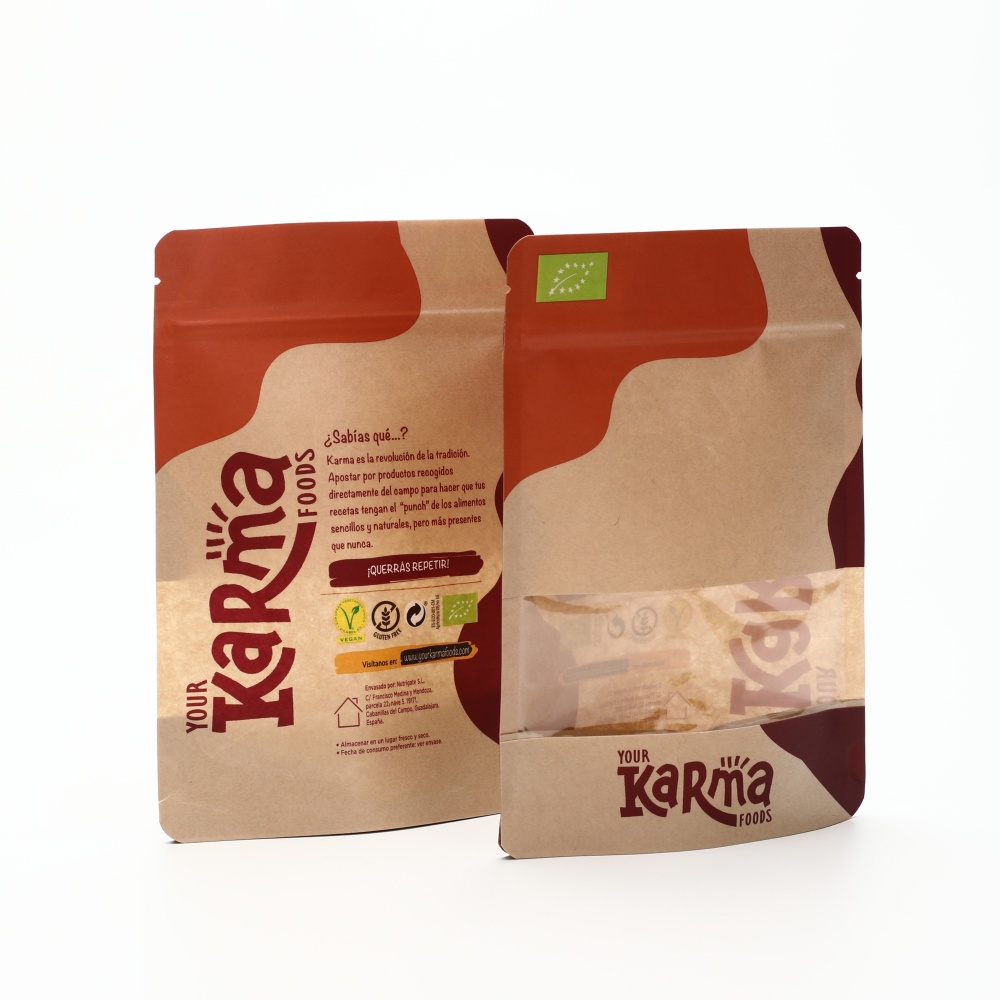
Compostable Kraft Stand-Up Pouches

Composting Conditions

It is important to know how composting affects packaging. Home compostable packaging pouch options work in your backyard or local bin. You do not need special tools. The temperature stays between 20 and 30 °C. Humidity is not controlled closely. Microbes, worms, and water help turn the pouch into soil.

Home composting gets only a little warmer than outside air. Industrial composting needs much higher heat, about 55–60 °C, and lots of water (about 60%). The 'OK Compost Home' standard says home composting should be between 20 and 30 °C.

Industrial compostable pouches need a place with high heat and moisture. The temperature must reach 55–60 °C. Water content stays around 60%. These conditions make food packaging break down faster.

Industrial composting needs high heat (55–60 °C) and lots of water. Home composting uses lower heat (20–30 °C) and is less strict.

If you want to compost at home, use a home compostable packaging pouch. If you pick industrial compostable pouches, you must find a composting center that follows strict rules.


Decomposition Timeframes

You should look at how fast each pouch breaks down. Home compostable packaging pouch products take longer to decompose. The speed depends on your weather, compost setup, and the material. Some pouches break down in two months. Others take up to two years.

Industrial compostable pouches break down faster. High heat and moisture in facilities help speed up the process. Most industrial compostable food packaging disappears in about three months.

Here is a table that shows the difference:

Material Type Decomposition Timeframe (Days) Composting Conditions
Sugarcane Bagasse Pulp Tableware 60–90 Home composting conditions
PLA-Coated Paper Products 90–120 Industrial composting (55–60°C)

Industrial composting works faster. If you want quick results, you might pick industrial compostable pouches. If you want to compost at home, you must wait longer.


Environmental Impact

You want to help the environment. Home compostable packaging pouch products depend on you to make the right conditions. Results can change. Sometimes, the pouch breaks down fast. Other times, it takes much longer.

  • Home compostable packaging depends on people to make good composting conditions, which can change a lot.
  • Decomposition times for home composting can be two weeks to two years, depending on weather and materials.
  • Industrial compostable packaging uses controlled places that help things break down better.

Industrial compostable pouches break down in a controlled place. This helps cut waste and keep compost clean. But you must check if the facility takes your pouch. Some composters do not allow bioplastics because they do not always break down well.

  • Heavy metal limits in the US are higher than in Europe, which can hurt soil quality.
  • National rules do not allow some packaging materials in compost for organic foods, which makes it hard for organic farmers to use compost.

A UK experiment called the Big Compost Experiment found most compostable plastics did not break down fully in home composting. Sixty percent of those labeled 'home compostable' failed to break down all the way. Researchers said home composting is not a good way to get rid of biodegradable or compostable packaging in the UK.

You should check local rules and composting choices before picking a pouch. If you want to avoid recycled plastic bags and support eco friendly packaging, you must know how your choice affects soil and waste.


User Convenience

You want packaging that fits your life. Home compostable packaging pouch products let you compost at home. You do not need to drive to a facility. You can use your backyard bin. This is easy for small families and people who want custom packaging for snacks or small items.

Industrial compostable pouches need you to find a composting center. Not every city has one. You must check if your local facility takes industrial compostable food packaging. If you run a business, you might need to teach your customers how to throw away the pouch.

  • Many studies show lab tests for compostability do not match real-life composting.
  • Oregon’s composters banned bioplastic because it does not always break down well, which can mess up finished compost.
  • The Composters Manufacturers Alliance (CMA) was made to create tests that check compostability in real-life conditions.

If you want things to be easy, you might pick home compostable packaging pouch products. If you need custom packaging for big orders, you might choose industrial compostable pouches. Always check what works best for you.


Why Choose a Home Compostable Packaging Pouch?
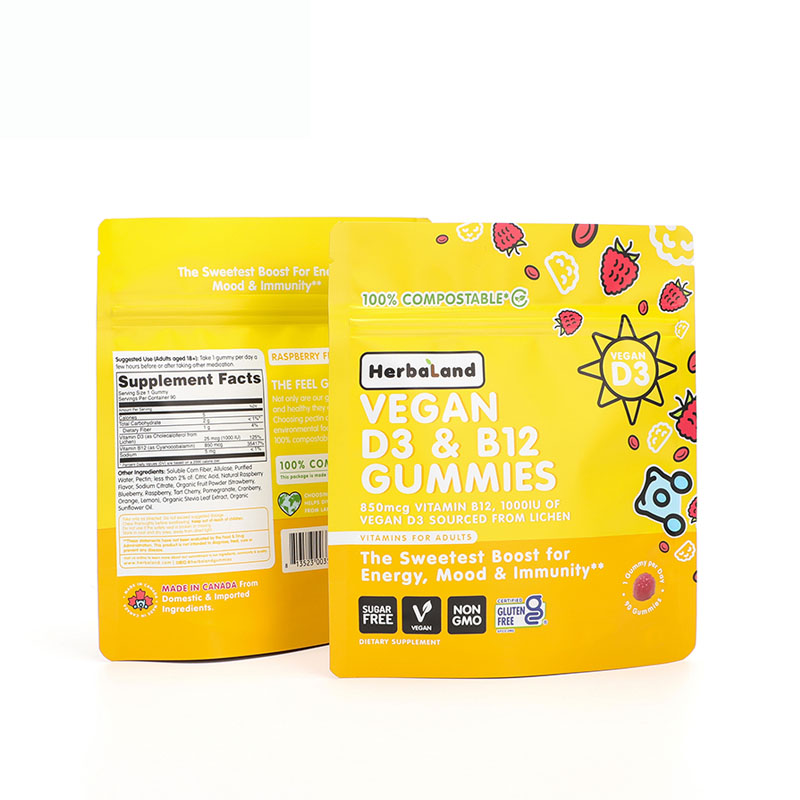
Compostable Stand-Up Candy Bags

Consumer Benefits

When you pick a home compostable packaging pouch, you help the Earth. You can put these pouches in your own compost bin. This means less trash goes to landfills. You do not have to use recycled plastic bags that might become litter. Many people like home compostable pouches because they are better for the planet. These pouches fit with green choices and eco friendly ideas. You can use the compost in your garden. This helps your plants grow strong and keeps the soil healthy. Waste turns into something useful, so nothing is wasted.

  • You can compost at home and send less trash to landfills.
  • You help make a circle by turning packaging into soil.
  • You pick a green choice that matches what you care about.

Tip: Always check if your local compost bin works for these pouches.


Business Advantages

Small businesses can be different by using home compostable packaging pouch products. These pouches show you care about nature and bring in customers who want green choices. They also help lower your carbon footprint because they use less energy than regular plastic. Over time, you might save money by paying less for landfill taxes and keeping happy customers.

Advantage Description
Improved brand image Shows you care about the Earth and brings in green shoppers.
Reduced carbon footprint Uses less energy than normal plastics.
Economic sense Keeps customers coming back and can lower landfill costs.

You also help the planet by making less plastic trash and supporting a circle where things get reused. Healthy dirt and less need for chemicals are extra good things.


Limitations to Consider

There are some things to think about before you pick a home compostable packaging pouch. Not everyone can compost at home. Some pouches do not work well for wet foods or foods that go bad fast. They can break down faster when it is humid. Businesses need to teach people how to to throw away these pouches the right way. If people mix trash that cannot compost with these pouches, it can make composting harder and the compost not as good.

Limitation Type Description
Inadequate Infrastructure Not many people can compost at home, so it is hard to compost packaging.
Material Performance Some foods do not last as long and there are more steps to check the pouch.
Consumer Education People need clear rules so they do not get confused or mess up the compost.

Note: Most people in America cannot use industrial composting, so home compostable choices are important but need good teaching and help.


Top Home Compostable Packaging Pouch Brands in 2026


Bioflexi

Bioflexi is a brand you can count on for home compostable packaging pouch choices. They use plants to make their pouches. These pouches break down in your backyard compost bin. You can use Bioflexi for snacks, fruits, and bakery foods. People like Bioflexi  because the labels are clear and the packaging is easy to use.


Naturepoly

Naturepoly makes home compostable pouches from things that grow back. You can find Naturepoly in custom packaging for food and stores. Their pouches are good for dry snacks and other foods. Naturepoly cares about the planet and has compostability certificates. You can pick from many sizes and shapes. This helps you get the pouch that fits your needs.


UNNI

UNNI is known for making home compostable packaging pouch products that do not cost a lot. You can use UNNI for food, kitchen trash, and small things. Their pouches break down in home compost bins. They do not leave anything bad behind. People pick UNNI to avoid recycled plastic bags and help the earth. UNNI gets good reviews for being strong and easy to throw away.


Herbaland

Herbaland wants to cut down on plastic trash. They are switching to all compostable materials by 2025. This will stop 640kg of plastic waste each year. Herbaland’s home compostable pouches match their green goals. You can make better choices for the planet with these pouches. Herbaland uses these pouches for vitamins and snacks.

When Herbaland changes to home compostable packaging pouch options, you help keep the planet clean.


Brand Comparison Table

Brand Compostability Certifications Customization Pricing Sustainability Customer Reviews
BioBag Home OK Compost Home Medium Moderate High Positive
Naturepoly Home TÜV Austria High Moderate High Positive
UNNI Home BPI Certified Low Affordable Moderate Positive
Herbaland Home In transition Medium Moderate Very High Excellent

Big companies like Amcor, Mondi Group, TIPA Corp, and Coveris also make eco friendly packaging. In Asia Pacific, China has strict rules to use less plastic. North America works on following rules and being green. Europe has high standards for the best packaging.


Choosing Between Home and Industrial Compostable Pouches


Factors for Consumers

You should think about a few things before you pick food packaging. The kind of composting you have at home or in your city is very important. If you have a backyard bin, home compostable pouches are a good choice. If your city has industrial composting, you can use industrial compostable packaging. Labels on the pouch tell you how to throw it away. You need to check if the pouch will break down in your compost bin. Think about how the pouch affects the environment. If the pouch does not break down, it might end up in a landfill.

Here is a table to help you compare:

Factor Consideration Why It Matters
Type of Composting Home or industrial Guides disposal and biodegradation effectiveness
Environmental Impact Biodegradation conditions Reduces landfill waste
Consumer Education Labeling and instructions Helps proper disposal
  • Find packaging with clear instructions for eco friendly use.
  • Make sure your compost bin works with home compostable pouches.
  • Pick greener options instead of recycled plastic bags.


Factors for Businesses

If you own a business, you need to think about what you sell and how the pouch will be thrown away. Dry snacks need different pouches than wet foods. Custom packaging helps you get the right fit for your product. You should look for packaging with EN 13432 or ASTM D6400 labels. These labels show the pouch is really compostable. Pick packaging that matches your brand and what your customers want.

Factor Consideration Why It Matters
Product Type Dry, wet, or oily food Determines barrier properties
End-of-Life Option Home or industrial Guides disposal strategy
Certification EN 13432, ASTM D6400 Validates compostability claims

Tip: Custom packaging lets your business offer eco friendly choices that stand out.


Making the Right Choice

You need to match your composting setup with the right pouch. Home compostable packaging is best if you compost at home. Industrial compostable pouches need special places to break down. Always check the label and how long it takes to decompose. For example, TUV OK Home certified pouches break down in 180 days. Industrial compostable packaging needs special rules to work.

Type of Packaging Certification Decomposition Time Material Composition
Home Compostable TUV OK Home certified Within 180 days Plant-based materials
Industrial Compostable EN 13432, ASTM D6400 Varies Needs regulated conditions

You should read the label and follow the instructions. This helps you throw away the pouch the right way. If you want eco friendly packaging for snacks or custom packaging, pick what works with your compost bin. You help the earth when you choose packaging that breaks down well and skip recycled plastic bags.


You now understand the main differences between home and industrial compostable packaging pouches. Look at the table below for a quick summary:

Type Composting Needs Certification Environmental Impact
Home Compostable Backyard compost, low heat TÜV Austria Home Compost Breaks down naturally, no toxins
Industrial Compostable High heat, special facility EN13432, BPI Fast in controlled settings

Home compostable pouches are good for eco friendly packaging at your house. But not every product can use this kind of pouch. Industrial compostable pouches are better for big food packaging jobs. They need special places to break down. Pick custom packaging that fits your composting setup and green goals. Always check for clear labels and trusted certifications.


FAQ

What does "home compostable" mean for food packaging?

Home compostable means you can use your backyard compost bin. Microbes, worms, and water help break down the pouch. You do not need any special machines. This lets you skip recycled plastic bags and pick eco friendly packaging.

Can I compost industrial compostable pouches at home?

You cannot compost industrial compostable pouches in your backyard. They need high heat and special places found only in composting centers. Always check the label before you throw away food packaging.

How do I know if a pouch is truly home compostable?

Look for certifications like TÜV Austria Home Compost or “OK Compost Home.” These labels show the pouch meets strict rules. You can trust these for custom packaging and eco friendly packaging.

Are home compostable pouches safe for all types of food?

Home compostable pouches are best for dry snacks and bakery foods. Wet or oily foods may need stronger custom packaging. Always check the product description before picking food packaging.

Why should I choose home compostable over recycled plastic bags?

Home compostable pouches break down in your compost bin naturally. You help cut landfill waste and support eco friendly packaging. Recycled plastic bags may still become litter or take years to break down.
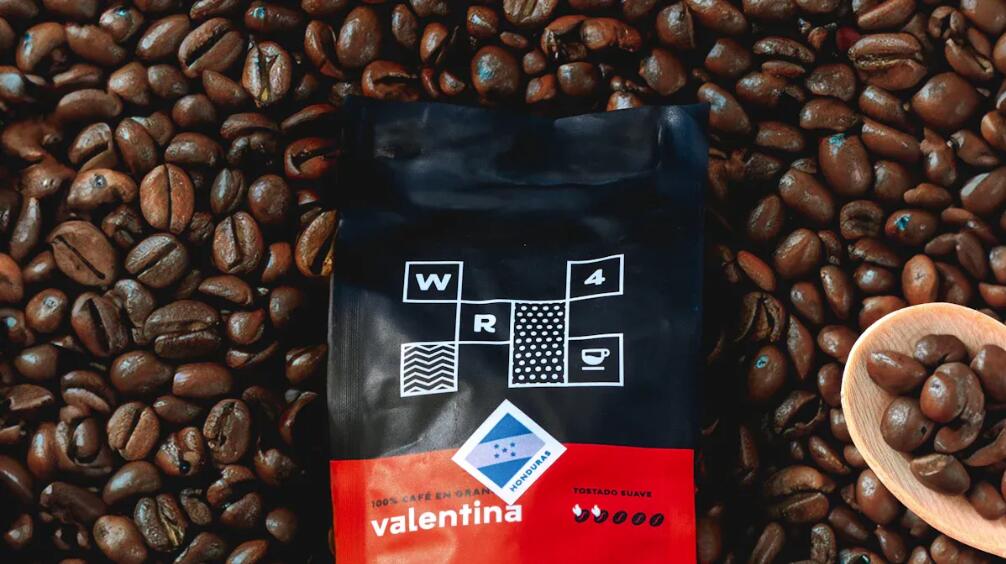
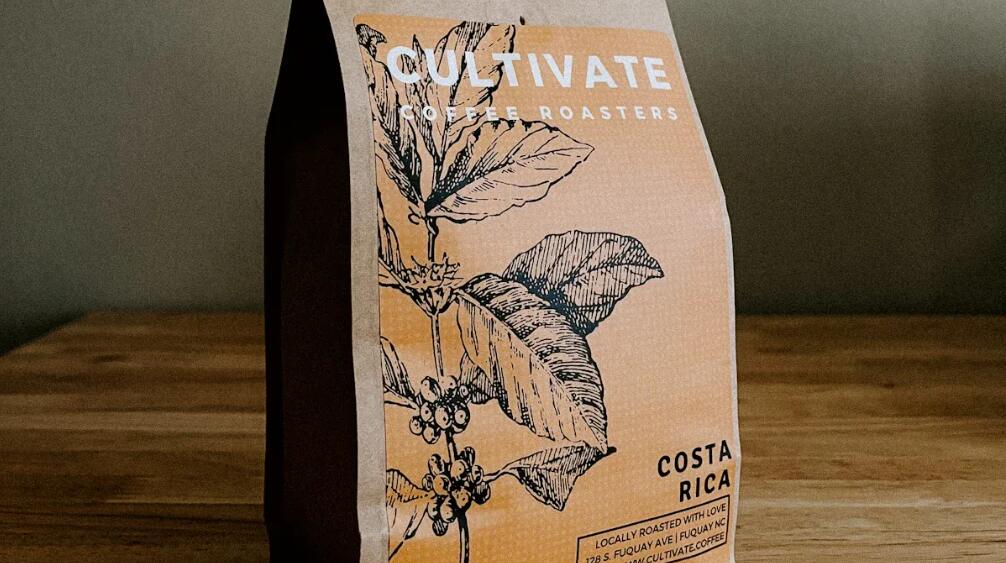
 

Side Gusset vs. Quad Seal Bags Choosing the Right Packaging for Coffee Beans


custom printed coffee bags


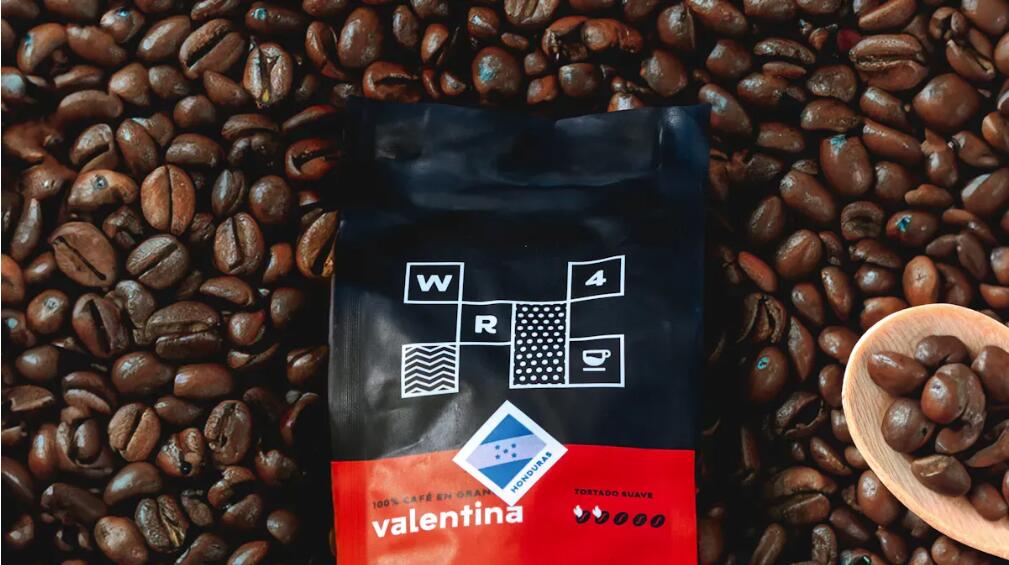
If you roast or sell coffee beans, you want them to stay fresh and tasty. Most coffee experts like quad seal bags for fancy coffee. These bags protect the beans well and look nice on shelves. The way your coffee bag is made helps keep beans fresh.

  • One-way degassing valves help beans last longer and keep their smell.
  • Vacuum-sealed bags with thick, aluminum layers stop air, water, and light.
  • side gusset pouch is flexible and protects beans, but quad seal bags often have better barriers and valves to keep beans fresh.
Feature Side Gusset Bags Quad Seal Bags
Design Pleats that open wide for big items Four tall seals make a box shape
Structural Integrity Great at stopping beans from getting crushed Very strong and hard to burst

There are many choices, so you can compare and pick the best coffee pouch for you, whether you want bioflexi or another kind.


Key Takeaways

  • Pick quad seal bags to keep coffee fresh longer. They stop air, water, and light from getting in. This helps coffee beans stay tasty for more time.
  • Side gusset coffee bags cost less and are easy to use. They fit different amounts of coffee. They also have a classic style.
  • Check if your bags have one-way degassing valves. These valves let gas out but keep air from coming in. This helps keep the flavor safe.
  • Think about how your brand looks. Quad seal bags have more space for art and logos. They stand out on store shelves and get more attention.
  • Think about the environment. Side gusset bags often use green materials. This is good for brands that care about the planet.


Coffee Pouch Comparison

Side Gusset vs. Quad Seal Overview

When you pick coffee packaging, you might ask which bag is better for your beans. Side gusset and quad seal bags are both good in different ways. Here is a table that shows how they are not the same:

Feature Side Gusset Bags Quad Seal Bags
Structure Expandable sides, flat base Four sealed corners, box-like shape
Durability Good tear and puncture resistance Extra strong with four vertical seals
Freshness Basic closure, limited reseal options Resealable zippers keep beans fresher longer
Resealability Usually folded or taped shut Ziplock or heat-seal for easy opening and closing
Cost Lower, simple design Higher, advanced construction
Stability May tip over on shelves Stands upright, looks neat on display
Printing Lots of space for branding Somewhat limited printing area

Tip: If you want your coffee pouch to look strong on a shelf, quad seal bags have a boxy shape. Side gusset bags are good if you like a classic look and want to save money.

The biggest difference is how the bags are sealed. Side gusset bags have sides that open up, so they are easy to fill and move around. Quad seal bags have four strong seals at the corners. This helps them keep their shape and protect your beans more. If you want your beans to stay fresh longer, quad seal bags usually have zippers and better layers to block air. Side gusset bags often close with a fold or tape, which is okay for short storage.

When you pick a coffee pouch, think about how you want your beans to look, how long you want them to stay fresh, and how much you want to pay. Both bags can keep your coffee safe, but quad seal bags give more protection and look fancier.


Side Gusset Bag Features

custom  coffee bags


Structure and Expansion

When you look at a recyclable side gusset bag, you notice the sides can puff out. This design gives you a lot of flexibility. Here’s why these bags work well for coffee beans:

  • The sides expand when you fill the bag, so you can fit more beans inside.
  • You can use these bags for different amounts, like 2 pounds, 5 pounds, or even 10 pounds.
  • The bag stands up straight when full, which makes it easier to store and stack.
  • The shape helps keep your coffee pouch compact, even if you pack a lot of beans.

You get a bag that grows with your needs. If you sell both small and large batches, this style makes your job easier.


Benefits for Coffee Beans

You want your coffee beans to stay fresh and smell great. Side gusset bags help with that. Check out this table to see how:

Feature Benefit
One-way degassing valve Lets gas out but keeps air and water from getting in
Multi-layer barrier Blocks moisture, oxygen, light, and heat
Reinforced seals Makes the bag strong and less likely to break
Extended shelf life Keeps beans fresh for weeks after roasting

If you use a side gusset coffee pouch with a good valve and strong layers, your beans stay tasty longer.


Drawbacks to Consider

No bag is perfect. You should know about a few downsides before you choose this style:

  • Freshly roasted beans let out gas. If the valve is cheap or missing, the bag might burst.
  • After you open the bag, it can flop over and look messy on the shelf.
  • Many side gusset bags do not have ziplocks. You may need to use tin ties or tape to close them, which can slow you down.

Tip: If you want a bag that stands tall and closes easily, you might want to look at other options.


Quad Seal Coffee Pouch

Reinforced Structure

You want your coffee beans to stay safe from bumps and drops. Quad seal bags give you that peace of mind. These bags have four strong seals, one at each corner. This design makes the bag look like a box and helps it stand up straight on shelves. You do not need to worry about your bag tipping over or getting squished.

  • The four vertical seals keep the bag sturdy and upright.
  • Multi-layer laminates add extra strength and block out things that can hurt your beans.
  • The box shape makes stacking and storing easy.

You get a coffee pouch that feels solid in your hands and protects your beans from damage.


Freshness and Barrier Protection

Keeping coffee fresh is important. Quad seal bags do a great job here. They use special layers to keep out air, water, and light. These things can make coffee taste old or stale. The bag’s design helps your beans stay fresh for a long time.

  • The three-layer structure (MOPP, Aluminum Foil, PE) blocks oxygen, moisture, and sunlight.
  • The eight-side-seal design spreads weight evenly, so the bag does not burst.
  • A degassing valve lets carbon dioxide out but keeps oxygen from getting in. This keeps your coffee tasting great.

You can trust this coffee pouch to lock in flavor and aroma. Your customers will notice the difference.

Note: Oxygen is bad for roasted coffee. The valve in quad seal bags helps your beans last longer and taste better.


Potential Downsides

Quad seal bags have many strengths, but you should know about a few drawbacks. Here is a quick look:

Downsides Description
Less stable when empty The bag can tip over if it is not full.
Limited capacity It holds less than a flat bottom bag of the same size.

You may find these bags a bit tricky to fill if you use small amounts. If you need to pack a lot of beans, you might want to check other options.


Choosing the Right Coffee Pouch

Freshness and Protection

You want your coffee beans to stay fresh and taste good. Picking the right coffee pouch helps a lot. Both side gusset and quad seal bags have special features. These include one-way degassing valves and layers of material. These features keep out air, water, and light. Air, water, and light can make coffee lose its flavor and smell.

Here is a table that shows how these features help keep coffee fresh and safe:

Feature Impact on Freshness and Shelf Life
One-way degassing valve Lets CO₂ out, keeps oxygen and water away, keeps coffee good
Gusseted structure Stops beans from getting crushed, makes bag steady, keeps coffee fresh longer
Multi-layer material Uses PET and Nylon to block things that can hurt coffee

If you leave coffee open to air or heat, it will lose flavor and smell. Mold can grow if water gets inside. You need a pouch that blocks these problems. Quad seal bags have stronger layers and zippers. This keeps beans fresh for a long time. Side gusset bags are good for short storage, but you may need extra ways to close them.

Tip: Always look for a degassing valve and strong layers when you pick a coffee pouch. These things help your beans last longer.


Branding and Shelf Appeal

You want your coffee to get noticed in stores. The package is important for your brand. Quad seal bags have more space for pictures and logos. Their box shape looks fancy and stands out. Side gusset bags look classic, but have less room for designs.

Here is a table that compares the two bags:

Feature Quad Seal Bags Side Gusset Bags
Branding Space Five panels for pictures and logos Not much space on the sides
Product Protection Strong barrier against air, light, and water Not as strong
Shelf Appeal Fancy look, stands up, easy to see Not as eye-catching
Structural Integrity Stays stiff, protects beans Can fall over if not full
Customization Options Windows, shiny finishes, more choices Not as many options

If you want your coffee to look special, quad seal bags are a good choice. You can add windows or bright colors. People notice these things and remember your brand. Side gusset bags are good for old-style brands or selling in bulk.

Note: Packaging does more than protect coffee. It tells people about your brand and helps you stand out.


Cost and Efficiency

You need to think about price and quality. Side gusset bags cost less and are good for simple needs. Quad seal bags cost more, but protect better and look nicer. Here is a table that shows the costs:

Bag Type Cost per Bag Benefits
Entry-level stand-up pouch $0.10-0.15 Basic features
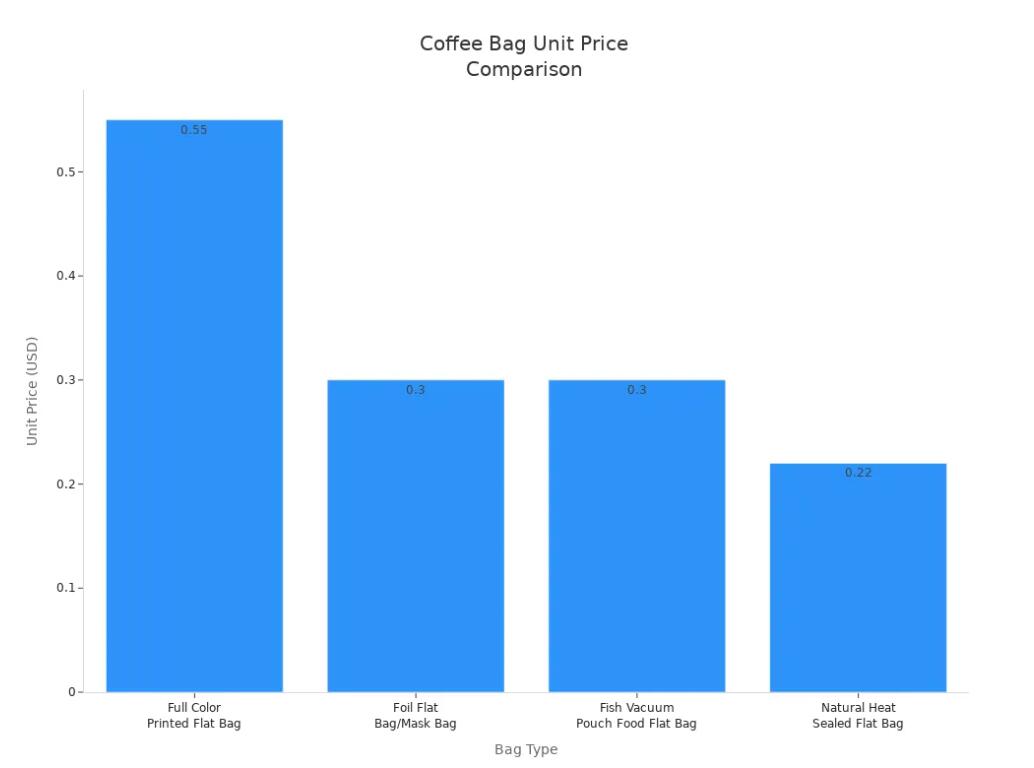
Quad seal bag with valve/zipper $0.20-0.40 Keeps coffee fresh, looks fancy
Premium quad seal with features $0.40-0.60 Makes brand look better, keeps customers happy

Flat bottom pouches and quad seal bags use more material, so they cost more. You pay extra for zippers and valves. If you sell fancy coffee, the higher price can help your brand and make customers happy. Packing well and protecting coffee can also mean less waste and fewer returns.

  • Flat bottom pouches cost 15-25% more for each bag.
  • Spending more can make your brand look better.
  • Packing well helps premium brands get better results.

Tip: Think about what you want for your business. If you want to grow and keep beans fresh, spending more on a good pouch is smart.


Sustainability

You care about the planet. Many coffee brands now use green packaging. Side gusset bags often use kraft paper and PLA. These break down in nature and are good for compost. They are light, so shipping them uses less energy.

Quad seal bags use more material and sometimes are hard to recycle. The outside layer can stop composting. If you want to help the earth, look for bags made from plants or bags that are easy to recycle.

  • Side gusset bags use green materials and are lighter.
  • Quad seal bags use more packaging, which is not as green.
  • Using paper or compostable bags can cut pollution by up to 70%.
Feature Description
Material Variety Breaks down in nature, blocks water, air, and light
Sustainability Green choices, better for the planet
Plant-based Materials Made from things like PLA that grow again

New packages now have zippers and valves made from green materials. Brands like Pact Coffee and Colonna use compostable bags that meet big rules.

Block Quote:
New ideas in coffee packaging use green materials, like bags that are easy to recycle or compost. Brands like Pact Coffee and Colonna use compostable bags that meet big rules. This shows that being green is now important to customers.

If you want your coffee pouch to match your values, pick packaging that is easy to recycle or compost. People notice when you care about the earth.


Use Cases and Recommendations

When to Use Side Gusset Bags

You might pick side gusset bags if you want a classic look. These bags work for small or big batches of coffee. You can use them for whole beans, ground coffee, or single-serve packs. They give you lots of space for your logo and designs. If you need light packaging for travel or gifts, these bags are a good choice.

Here’s a quick list of how people use them:

Use Case Description
Freshly Roasted Whole Beans Keeps taste and freshness with one-way degassing valves.
Ground Coffee Storage Resealable closures and strong layers stop moisture and light.
Specialty & Artisan Blends Good printing helps your brand get noticed.
Single-Serve Coffee Products Custom sizes keep coffee fresh and easy to carry.
Travel Coffee Kits Light and saves space for people who travel.
Corporate Gifting Custom bags help people remember your brand.

Tip: If you care about the earth, side gusset bags can be recycled or break down in nature.


When to Use Quad Seal Bags

Quad seal bags are best when you want strong protection and a fancy look. You can use them for roasted beans, ground coffee, or special blends. These bags stand up straight and keep their shape, so they look neat on shelves. If you have a coffee subscription or sell in stores, quad seal bags help your coffee stay fresh and get noticed.

Note: Quad seal bags are strong and have lots of space for your logo. This makes them great for brands that want to look fancy.


Real-World Coffee Packaging Examples

You can find side gusset bags with brands that want to keep coffee fresh. These bags use strong materials to block air, water, and light. Many companies add zippers or tin ties so you can close the bag again. The bags pack flat, so you save space when shipping or storing them. Custom printing helps your brand stand out. The bags are tough and keep coffee safe when moving. Green options are good for people who care about the planet.

Quad seal bags are easy to spot in stores because of their boxy shape and strong corners. Brands use them for monthly coffee boxes, pods, and special blends. The design keeps coffee fresh and makes your product look high-end. You get a bag that protects coffee, shows off your brand, and looks stylish.


You have two good options for coffee packaging. Side gusset bags look classic and cost less money. Quad seal bags keep beans fresher and look special on shelves. Here is a simple guide:

Bag Type Description Target Audience Manufacturing Cost
Side-fold bags Old-style, simple to use, keeps air out People who like classic coffee Easy to make
Quad-seal bags Sealed all around, keeps beans fresh, looks fancy Fancy coffee brands Costs more

Think about how well the bag stops water, how it shows your brand, and if it is good for the planet. Bags you can close again help keep beans fresh. Young people like green packaging. Choose the bag that matches your brand and keeps coffee tasting good.


FAQ

What makes quad seal bags better for coffee freshness?

You get stronger barriers with quad seal bags. These bags block air, moisture, and light. Your beans stay fresh longer. The box shape and resealable zippers help keep flavor and aroma locked in.

Can I use side gusset bags for ground coffee?

Yes, you can use side gusset bags for ground coffee. Just make sure you pick bags with strong layers and a one-way valve. This keeps your coffee safe from air and moisture.

Are quad seal bags easy to recycle?

Quad seal bags use more layers, so recycling can be tricky. Look for brands that offer recyclable or compostable options. You help the planet when you choose eco-friendly packaging.

Which bag is cheaper for small coffee businesses?

Side gusset bags cost less. You save money if you run a small coffee shop or sell in bulk. Quad seal bags cost more but give better protection and shelf appeal.

What Makes Eco-Friendly Flat Bottom Bags Ideal for Matcha Powder

You want matcha powder to stay fresh and protected. The eco-friendly flat bottom bag gives you strong storage, a resealable design, and food-grade materials. You help the planet and enjoy practical benefits. BioPouches lets you customize your packaging and trust its certifications.


Key Takeaways

  • Eco-friendly flat bottom bags keep matcha powder fresh by protecting it from air, moisture, and light. Their resealable design locks in flavor and quality.

  • These bags offer a sturdy base for easy storage and display. They prevent spills and allow for neat stacking, making them ideal for both home and retail use.

  • Choosing recyclable materials for packaging shows your commitment to sustainability. This choice helps reduce waste and supports a circular economy.


Eco-Friendly Flat Bottom Bag Benefits

Eco-Friendly Flat Bottom Bag

Structure and Storage

You want packaging that stands out on the shelf and makes storage simple. The eco-friendly flat bottom bag gives you a sturdy base, so your matcha powder stays upright and organized. You can stack these bags easily in your pantry or display them neatly in your store. The flat bottom design prevents spills and keeps your product stable, even after repeated use. You can choose from different finishes, such as matte, glossy, or kraft paper, to match your brand’s style. Custom branding options let you create a unique look that attracts customers and builds loyalty. With a minimum order quantity of 10,000 pieces, you can scale your business and keep your shelves stocked with professional, eye-catching packaging.


Protection and Freshness

You care about the quality of your matcha powder. The eco-friendly flat bottom bag protects your product from moisture, air, and light. The resealable design locks in freshness, so every scoop tastes as vibrant as the first. You can trust the food-grade materials to keep your matcha safe for daily use. The heat-sealable feature adds another layer of security, making sure your product arrives in perfect condition. You can use this bag for other dry goods, such as tea, coffee, or snacks, and enjoy the same level of protection. Your customers will appreciate the convenience of a resealable bag that keeps their favorite products fresh for longer.


Sustainability and Materials

You want to make choices that benefit the planet. The eco-friendly flat bottom bag uses recyclable, food-grade materials that meet strict industry standards. BioPouches holds certifications like BRC, ISO, BPI, GRS, and DIN, so you know you are choosing a responsible packaging solution. You reduce waste and support a circular economy by selecting recyclable packaging. You show your customers that you care about sustainability and quality. The lightweight structure of the bag lowers shipping costs and reduces your carbon footprint. You can feel confident that your packaging reflects your commitment to environmental responsibility.

Tip: Choosing the eco-friendly flat bottom bag helps you protect your product and the planet at the same time.


Flat Bottom Bags vs. Other Packaging

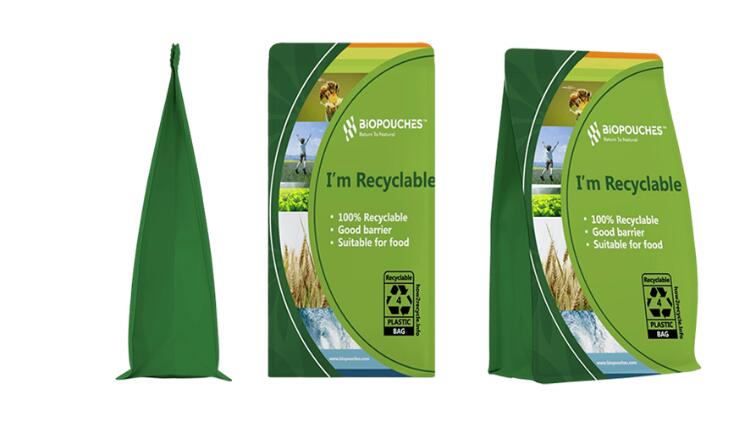
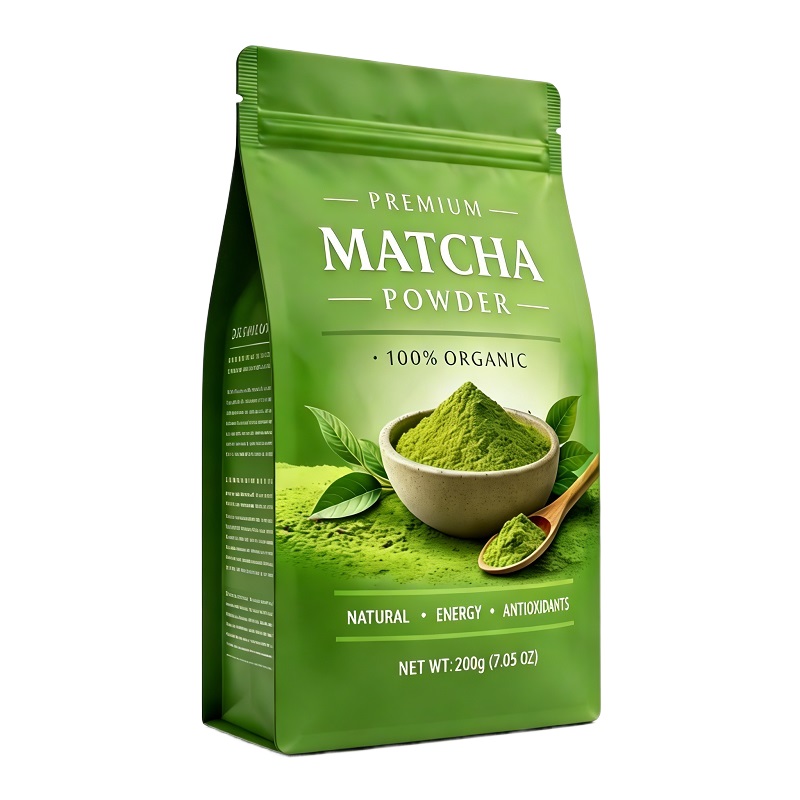
Eco-Friendly Recyclable Flat Bottom Bag for Matcha Powder

Stand-Up Pouches Comparison

You want your matcha powder to look great and stay fresh. Stand-up pouches offer some convenience, but they often tip over and spill. You may find it hard to stack them or keep your shelves organized. The eco-friendly flat bottom bag stands upright every time. You get a stable base that keeps your product neat and easy to display. You can reseal the bag after each use, locking in freshness and flavor. Your customers will notice the difference in quality and presentation.


Rigid Containers Comparison

You might consider rigid containers for matcha powder. These containers protect well, but they take up more space and cost more to ship. You cannot easily customize them for your brand. The eco-friendly flat bottom bag gives you strong protection without the bulk. You save on shipping and storage. You also get full control over the look and feel of your packaging. Your brand stands out, and your customers enjoy a lightweight, easy-to-use package.


Environmental Impact

You care about the planet. Many traditional packaging options use materials that end up in landfills. The eco-friendly flat bottom bag uses recyclable materials that support a circular economy. You show your customers that you value sustainability. You make a positive impact with every sale.

Note: Choosing the right packaging helps you protect your product, build your brand, and support the environment.


You gain reliable protection, sustainable materials, and standout branding with the flat bottom bag. Your matcha powder stays fresh and secure. You show your customers you care about the planet. Choose BioPouches for packaging that supports your business and appeals to eco-conscious buyers.


FAQ

How do you keep matcha powder fresh in a flat bottom bag?

The resealable design locks out air and moisture. You keep your matcha powder vibrant and flavorful for longer.


Can you recycle the Eco-Friendly Flat Bottom Bag?

You can recycle this bag with other plastics. You support a circular economy and show your customers you care about the planet. ♻️


What products can you store in these bags?

  • Matcha powder

  • Tea

  • Coffee

  • Snacks

  • Pet food
    You get versatile storage for many dry goods.

2026 Trends in Food Packaging Smart Packaging and Sustainable Materials


You will notice two big changes in food packaging by 2026. These are smart packaging and sustainable materials. These trends make you think about how you use food packaging pouches, Food packaging bagStand up pouches, and Flat bottom pouches. The smart packaging market might be worth over $42 billion by 2034. This shows it is growing fast.

  • Smart packaging is getting better because of new technology and people wanting eco-friendly choices.

New rules and younger shoppers make companies use less plastic and more paper-based solutions.

Change Impact
EPR rules Companies use more sustainable materials
Gen Z & Millennials Want more paper-based packaging
Innovation Brands make shelf-life longer with eco-friendly designs


Key Takeaways

  • Smart packaging uses technology to keep food fresh. It helps keep food safe. It gives real-time information about food. This helps you make good choices.
  • Sustainable materials help reduce waste. Compostable and recyclable options protect the environment. Look for eco-friendly labels when you shop.
  • Younger people like brands with smart technology. They also like sustainable packaging. Picking these products helps companies that care about the planet.
  • Automation in packaging makes production faster. It helps reduce waste. This means better products for people.
  • Stay ahead by using new materials. Add smart features to your packaging. This helps your business get ready for new rules. It also meets what customers want.


Smart Packaging Evolution

Defining Smart Packaging

Smart packaging is changing how food stays fresh and safe. It uses technology to give you more information about your food. There are two main types of smart packaging. Active packaging works with the food and its surroundings to keep it good. Intelligent packaging gathers and shares facts about things like temperature and freshness. Here is a table to help you understand:

Type of Smart Packaging Description
Active Packaging Interacts with the product environment to maintain quality.
Intelligent Packaging Gathers and transmits data about product conditions like temperature, moisture, or freshness.

Smart packaging is growing quickly. In 2024, the market is about $22.5 billion. By 2033, it could reach $39.6 billion. You will see more smart packaging in stores each year.


Smart Labels and Sensors

You can find smart labels and sensors on many food packages. These tools help you know if your food is safe and fresh. They can track temperature and show where food comes from. Some even tell you if food is spoiled. Here is a table with the main types:

Type of Smart Label/Sensor Description
Temperature Tracking Indicates if food stayed at safe temperatures during storage and transport.
QR Codes Provides traceability from farm to table, allowing consumers to see the source of ingredients.
Spoil Detection Mechanisms Detects spoilage and provides information on product integrity through smartphone-accessible data.
Sensing Labels Equipped with sensors to detect environmental factors like temperature and humidity.
RFID Uses radio frequency identification for tracking and inventory management.
Dynamic Display Provides real-time information about the product's status.
Smart Food Labels Incorporate advanced technologies to provide detailed product information.

Tip: Scan QR codes on packages to learn where your food comes from and how it was made.


Food Safety and Shelf Life

Smart packaging helps keep food safe and fresh for longer. Labels and sensors watch for changes in temperature and humidity. They warn you if food is not safe to eat. Studies show smart packaging can make food last longer. For example, oxygen sensors and ethanol emitters in bread packaging keep bread fresh. Here is a summary of what smart labels do:

  • Smart labels make food safer and easier to track.
  • They give real-time information, which helps cut down on food waste.
  • Smart labels let you talk directly with producers, so you trust your food more.

You can trust your food more when you see these smart features on packaging.


Consumer Experience

Smart packaging makes shopping and eating easier and better. You get more facts about your food, like where it came from and how it was made. QR codes show you details about the product, such as certifications and expiration dates. Some packages have labels that change color if food is not safe. Humidity indicators help keep food fresh and stop waste. Here are some ways smart packaging helps you:

  1. Temperature-sensitive labels change color to show when food is unsafe.
  2. Humidity indicators help keep perishable goods fresh.
  3. Digital links allow for quick recalls, keeping you safe.

You can use your phone to scan codes and get tips on storage or nutrition. This helps you make smart choices and trust brands more.

Note: Smart packaging helps you make good choices by giving you lots of information about your food.

Smart packaging is showing up more often. Companies like the benefits, but they also think about costs. New materials and technology can cost more. Automation and compliance software help lower costs. You will see more smart packaging as companies find ways to balance quality and price.


Sustainable Materials Trends

Compostable and Recyclable Solutions

Every year, you see more compostable and recyclable packaging. These materials help cut down on waste and protect nature. Companies use biodegradable choices for boxes, mailers, wraps, and food containers. You find these materials in things like tea bags, coffee pods, and fruit labels.

  • Cornstarch, sugarcane bagasse, bamboo, and paper are common biodegradable picks.
  • Starch-based bioplastics and cellulose films are good for compostable packaging.
  • PHA is made by bacteria using vegetable oils and starches.
  • PLA comes from corn or other sugars and works for cold food packaging.

You can pick packaging that breaks down faster and makes less trash. Recyclable packaging also helps the planet. Many people like eco-friendly products, so you help nature and support caring brands.

Tip: Check for compostable or recyclable labels on packaging. This helps you make smart choices for the earth.


Lighter Plastics and Paper

You see lighter plastics and paper in stores now. These use less material and weigh less, so there is less waste. You help nature when you choose packaging that uses fewer resources.

  1. Paper cups need more energy to make than plastic containers.
  2. Plastic containers cause pollution that lasts a long time.
  3. You can learn about these problems and pick better packaging.

Green packaging includes reusable, recyclable, and biodegradable types. You might see glass containers you can wash and use again. Paper packaging can be recycled. Cotton sacks break down without harm. Better waste management, especially in some countries, helps cut plastic waste.

Benefit Description
Waste Reduction Sustainable packaging can lower the amount of trash in landfills.
Carbon Footprint Reduction Biodegradable materials help cut down on carbon emissions from plastics.
Enhanced Brand Loyalty Companies can connect with eco-friendly shoppers and build loyalty through green choices.

You support brands that use lighter materials and help stop pollution. You also see more food packaging pouches made from these green options.


Circular Economy in Packaging

You help the circular economy when you pick sustainable packaging. This idea means you reuse, recycle, and compost packaging. Companies make packaging from plants, so you can compost it and return it to the earth. This helps lower food waste and greenhouse gases.

  • You can pick packaging that you use many times.
  • You support organics recycling by joining programs that handle organic waste.
  • You help keep food waste out of landfills.
Benefit Description
Greenhouse Gas Emissions Sustainable packaging lowers greenhouse gases during production.
Resource Consumption Using green practices cuts down on the resources needed for packaging.
Positive Public Perception Businesses using eco-friendly materials look better to the public and meet what shoppers want.

Sustainable packaging shows companies care about the earth. You notice brands using these materials stand out in stores. You help the planet and push more companies to use green solutions.

Note: When you pick packaging that fits the circular economy, you help make a cleaner world for everyone.


Food Packaging Pouches and Innovation

Pouch Materials and Sustainability

Many new materials are used in food packaging pouches now. Companies pick recyclable and bio-based materials instead of hard-to-recycle ones. Mono-material pouches like polyethylene or polypropylene are easier to recycle. Special barrier films keep food safe from air, water, and light. Some brands use mushroom packaging made from mycelium. This material breaks down easily and saves energy. Bioplastics from cornstarch and sugarcane can be composted. Edible packaging made from seaweed or starch can be eaten, so there is less trash. New compostable films work as well as plastic.

  • Recyclable mono-material pouches
  • Mushroom-based compostable packaging
  • Bioplastics from renewable sources
  • Edible seaweed or starch pouches

Tip: Choose pouches with compostable or recyclable labels to help nature.


Low-Waste and Mini Sizes

You help cut waste when you pick small and low-waste packaging. Small pouches help control portions and keep food fresh. Re-sealable pouches let you use only what you need. You throw away less food this way. Clear packaging lets you see the food, so you use it before it goes bad. Designs that help you get all the food out also lower waste. Active packaging keeps food fresh for longer.

Aspect Impact on Food Waste (%) Implication on Sustainability
Service Style 10–47% Service style changes how much food gets wasted.
Packaging Characteristics 3–11% Good design makes it easier to eat all the food.
Consumer Wastefulness 5–37% People waste more food when they have more money.

Note: Small sizes and smart designs in food pouches help you waste less and save money.


Automation and Smart Rotary Systems

Automation changes how companies make food packaging pouches. Fast rotary machines make lots of pouches quickly. Automation helps use less material during making. New technology checks each pouch to make sure it is good. Smart sensors watch the machines and help stop problems. IoT lets companies watch machines all the time and fix things fast.

Evidence Description Key Points
High-speed operations Rotary machines make pouches fast for large orders.
Material waste reduction Automation cuts down on waste during production.
Quality assurance Technology checks each pouch for uniformity and accuracy.
Smart sensors Sensors watch the process and improve reliability.
IoT integration Continuous monitoring helps fix problems before they stop production.

Tip: Automation in making pouches means better quality and less waste.

Food packaging pouches now have zippers and spouts that are easy to use. Recyclable films and mono-material pouches help the environment. Special printing and cool shapes make products look different. QR codes and augmented reality give you more facts and fun.


Compliance and Consumer Drivers

Regulatory Pressures

Every year, there are new rules for food packaging. In 2026, governments make stricter rules for materials and design. You have to follow laws about recycling, labels, and safety. Many states do not allow PFAS chemicals in packaging. The EU says you must use packaging that can be recycled or used again. You also need to sign up and tell how much packaging you use for recycling programs. Here is a table with the main rules:

Regulation Type Description
EU Packaging and Packaging Waste Packaging must follow EU rules about recycling, reuse, and labels.
U.S. State PFAS Restrictions States are banning PFAS in packaging, which changes what companies can use.
Extended Producer Responsibility (EPR) Companies must sign up, report packaging amounts, and pay fees for recycling programs.

You also have to keep track of materials and report ESG data. You must show where your materials come from and prove they do not hurt forests. You need to keep records and share them every year.


Changing Consumer Demands

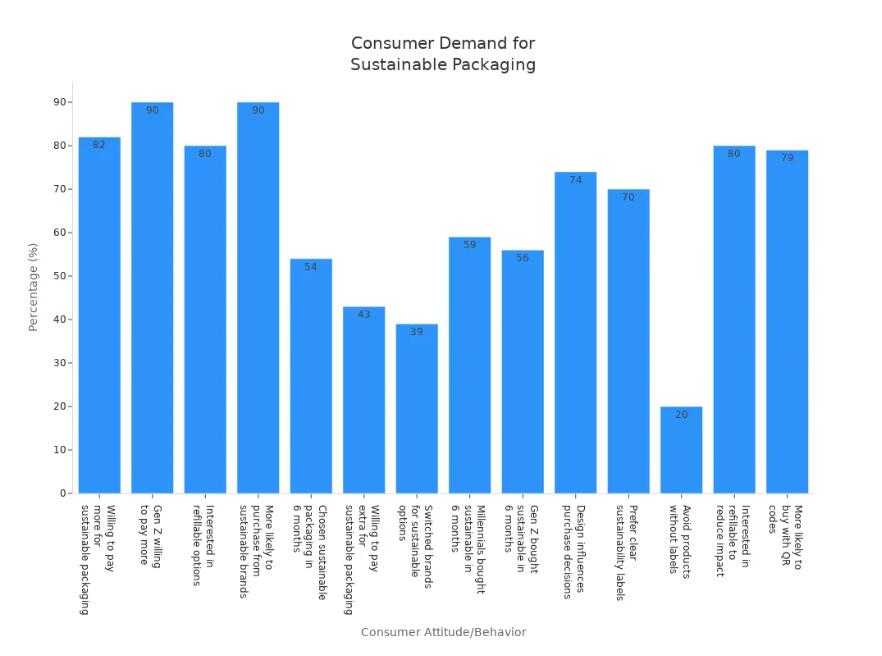
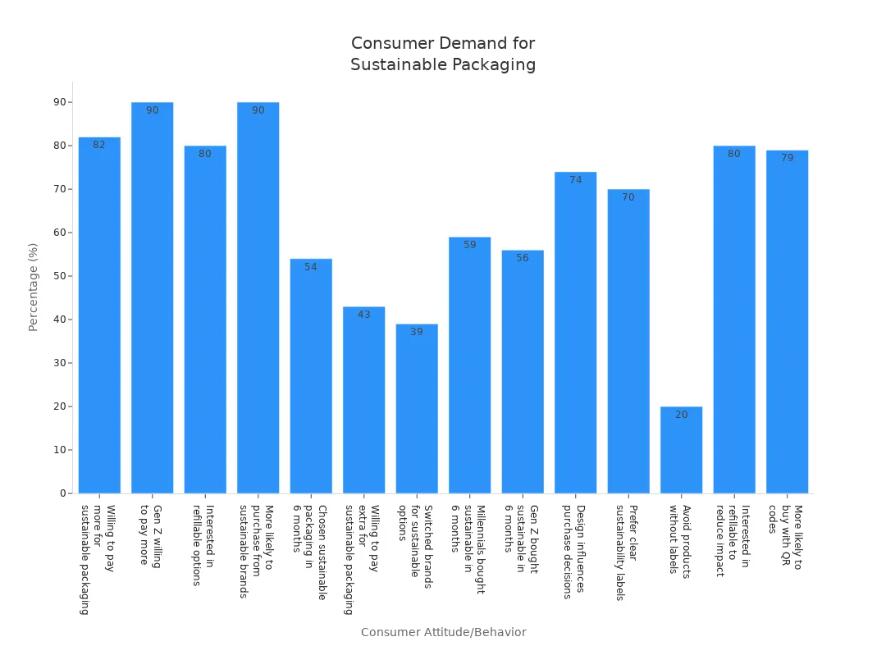
Shoppers want greener packaging now. Most people like packaging that can be recycled or composted. Many will pick a new brand if it is better for the earth. Younger people, like Millennials and Gen Z, are leading this change. They want brands to use smart technology and clear labels. Here is a table with important numbers:

Statistic Value
Likelihood of choosing brands with sustainable packaging 90%
Consumers who bought eco-conscious packaging recently 54%
Millennials adopting sustainability 59%
Gen Z adopting sustainability 56%
Willingness to pay more for sustainable packaging 43%
Consumers switching brands for eco-friendly options 39%


  • Most shoppers like eco-friendly packaging, especially younger people.
  • Brands use smart labels and new materials to meet these needs.
  • You help the earth when you pick products with green packaging.


Plan B Strategies

You need backup plans for new rules and changing markets. Companies use different ideas to stay ready:

  • Be open about where materials come from to build trust.
  • Use lifecycle checks to lower harm to the environment.
  • Reuse and recycle materials to help the circular economy.
  • Teach workers about new rules.
  • Work with groups to learn about rule changes.
  • Be ready to use new technology.

You can get ready for the future by learning about these ideas and picking brands that care about rules and the planet.


Business Strategy and Future Outlook

Competitive Advantage

You can get ahead by using smart packaging and sustainable materials. These trends help you stand out and get more customers. Smart packaging helps you check if food is fresh and safe. Nanotechnology makes packaging lighter and stronger. Compostable plastics come from things that grow back, which helps the planet. Automation lets you make packaging faster and with less waste.

Trend/Innovation Description
Smart Packaging Embedded sensors for freshness monitoring
Nanotechnology Improves barrier properties without adding weight
Compostable Plastics Derived from renewable resources
Automation Enhances precision and reduces waste

More companies are moving from small tests to using smart packaging everywhere. IoT and analytics in packaging help protect your brand and work better. Most companies plan to use smart packaging soon because it is important for success.


Implementation Challenges

You face some problems when you try new packaging ideas. Many smart packaging parts are hard to recycle. You have to follow lots of rules, which takes time and money. Smart packaging collects data, so you need strong security. Green materials often cost more, which is hard for small businesses. It is tough to find enough eco-friendly materials for big orders. You must teach customers how to throw away packaging the right way. Packaging has to keep food safe when it ships, especially foods that spoil fast. Rules are different in each place, so you need flexible plans.

Challenge Description
Sustainability Concerns Some smart packaging is not fully recyclable
Legal Complexities More rules mean more work for compliance
Privacy Issues Data collection needs strong security
Cost Implications Sustainable materials cost more
Supply Chain Limitations Hard to find enough green materials
Consumer Behavior Customers need education on disposal
Durability Concerns Packaging must protect food during transit
Regulatory Variances Rules differ by region


Preparing for 2026

You can get ready for the future by making packaging a big part of your business. Pick solutions that keep food safe and help you follow the rules. Make packaging look nice, even for small sizes. Support grab-and-go options without extra work. Focus on green choices that fit your daily work.

  1. Change your packaging to follow California’s SB 343 rules.
  2. Choose materials that fit new Extended Producer Responsibility (EPR) laws.
  3. Get ready for stricter rules about what goes into packaging and how you label it.

As technology gets better, packaging will help you track inventory and waste less food. Digital tools can study orders and help you plan for what you need. Watch for new trends like bold designs and packaging that shows social identity. Many companies use food packaging pouches that meet these new rules and attract younger shoppers. Experts say green choices will stay important, with more focus on energy, water, and waste. You can invest in flexible systems that use renewable energy and smart tools to stay ahead.

Tip: Start planning now so you can be a leader in food packaging innovation.


You see smart packaging and sustainable materials changing food packaging in 2026. New bio-based and compostable options help you use less plastic. Smart packaging with AI and IoT makes food safer and cuts waste. You can take action by:

  1. Invest in new materials like bioplastics and better paper.
  2. Add smart features such as QR codes for more information.
  3. Test new designs with digital printing and reusable systems.

You should review your packaging now to stay ahead and meet new rules and customer needs.


FAQ

What is smart packaging?

Smart packaging uses sensors and labels with technology. You can see if food is fresh or safe. It also shows where food comes from. This helps you pick good food and waste less.

How do sustainable materials help the environment?

Sustainable materials break down quickly or get recycled. You help stop pollution and trash when you pick plant, paper, or bioplastic packaging.

Can you recycle food packaging pouches?

Many new pouches can be recycled if made from one material like polyethylene. Always look for recycling symbols before you throw a pouch away.

Why do companies use automation in packaging?

Automation makes packaging fast and correct. You get better products and less waste. Machines help companies follow rules and save money.

What should you look for on eco-friendly packaging?

Tip: Find compostable, recyclable, or bio-based labels. These mean the packaging is better for nature.

Coffee Packaging Guide Side Gusset vs. Flat Bottom with Degassing Valves


Choosing the right coffee packaging bag shapes the quality and freshness of your coffee. You want packaging that protects flavor, showcases your brand, and supports your business goals. Degassing valves help preserve aroma and extend shelf life. Many customers value sustainable packaging, such as compostable packaging bags and flexible packaging options. You can boost satisfaction and loyalty with accessible, custom packaging solutions.

  • Accessible design increases customer satisfaction and business profitability.
  • Larger bags feel like better value; smaller ones offer convenience and portability.
  • Great packaging creates emotional connections and trust with your brand.

Brands like Bioflexi offer sustainable and custom solutions for every business size.


Coffee Packaging Bags


Key Takeaways

  • Choose side gusset bags for bulk sales and a classic look. They save space and hold more coffee.
  • Opt for flat bottom bags to enhance shelf appeal and branding. They stand upright and offer more design space.
  • Use degassing valves in packaging to keep coffee fresh. They allow gas to escape while blocking oxygen.
  • Consider sustainable packaging options to attract eco-conscious customers. Compostable materials reduce waste.
  • Customize your packaging to match your brand. Unique designs help you stand out in a competitive market.


Which Coffee Packaging Bag Is Best?

Side Gusset vs. Flat Bottom Overview

When you choose a coffee packaging bag, you want to balance freshness, branding, and usability. Two of the most popular options are side gusset bags and flat bottom bags. Each type offers unique advantages for your coffee business.

Here is a quick comparison to help you see the differences:

Feature Side Gusset Bags Flat Bottom Bags
Structure Vertical profile with side folds Flat, rectangular base
Stability Less stable when filled Stands upright, enhancing shelf appeal
Volume Capacity Suitable for medium to large volumes Typically smaller sizes (250g to 500g)
Design Customization Limited space for design on sides Ample space for branding on all sides
Appearance Conventional, space-saving Modern, structured look

Flat bottom bags, sometimes called box pouches, have a flat, rectangular base. This design lets the bag stand upright, which makes your product more visible on store shelves. The cube-like shape also gives you more space for branding and product information. Side gusset bags have a vertical profile with folds on each side. They save space and work well for larger quantities, but they do not stand up as easily.


Main Benefits and Drawbacks

You want your coffee packaging bag to keep your coffee fresh and make your brand stand out. Here are the main benefits and drawbacks of each option:

  • Side Gusset Bags

    • Save space during storage and shipping.
    • Hold more coffee, making them ideal for wholesale or bulk sales.
    • Offer a classic look that many customers recognize.
    • Provide less stability on shelves, which can affect presentation.
    • Have limited space for custom packaging solutions and branding.
  • Flat Bottom Bags

    • Stand upright, giving your product a premium, modern appearance.
    • Offer more surface area for custom designs, labels, and information.
    • Work best for smaller quantities, such as 250g or 500g.
    • Enhance shelf appeal, which can attract more customers.
    • May cost more per unit, especially for small orders, but the investment can pay off in brand visibility.

Tip: If you want your coffee to stand out in retail stores, flat bottom bags give you more room for creative branding and product details.


When you compare costs, flat bottom bags often have a higher unit price, especially for small orders. However, they can boost your brand image and help your coffee catch the eye of new customers. Side gusset bags offer a more economical choice for larger volumes and wholesale packaging.

You should also consider sustainability. Many brands, including Bioflexi, now offer sustainable packaging, compostable packaging bag options, and flexible packaging that meets both environmental and business needs. Custom packaging solutions let you tailor your coffee packaging bag to your brand, whether you want a classic or modern look.

Key decision factors:

  • Choose side gusset bags if you need to package larger volumes or want a traditional look.
  • Pick flat bottom bags if you want maximum shelf appeal, more branding space, and a modern style.
  • Consider sustainable packaging and flexible packaging options to meet customer expectations and support your brand values.

With the right coffee packaging bag, you protect freshness, support your brand, and show your commitment to sustainability.


Why Coffee Packaging Matters

Preserving Freshness and Flavor

You want your coffee to taste as fresh as possible. The right coffee packaging bag protects your beans from light, oxygen, and moisture. Coffee is sensitive to UV light, which can break down essential oils and cause flavor loss. Oxygen triggers oxidation, making coffee stale faster. Moisture speeds up degradation, so packaging must keep humidity out.

Modern packaging methods help you preserve flavor and aroma. Whole roasted beans often come in resealable bags with one-way valves. These valves let carbon dioxide escape but block air from entering. This keeps your coffee fresh and prevents pressure buildup. Ground coffee needs even more protection. Vacuum-sealed or specially engineered packages slow down oxidation and maintain flavor.

Here is a quick overview of packaging methods and their benefits:

Packaging Method Benefit
Light-proof sealing Protects coffee from UV light, preventing flavor degradation.
Vacuum packaging Removes oxygen, slowing down oxidation and staling, especially effective for ground coffee.
One-way exhaust valves Allows CO2 to escape while preventing oxygen from entering, protecting freshness.
Nitrogen flushing Replaces oxygen with nitrogen, extending shelf life and preserving flavor.
Use of desiccants Absorbs moisture, preventing degradation due to humidity.

You can choose sustainable packaging, compostable packaging bag options, or flexible packaging to meet your brand’s values. Brands like Bioflexi offer custom packaging solutions that help you protect freshness and showcase your coffee.


Impact on Shelf Life

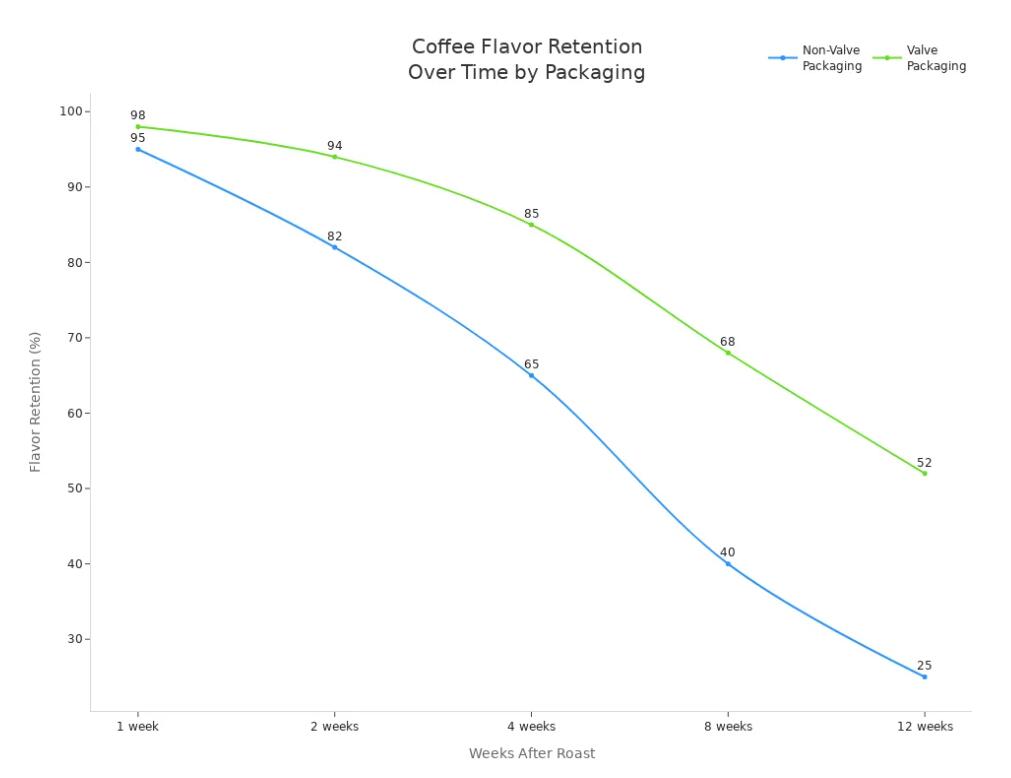
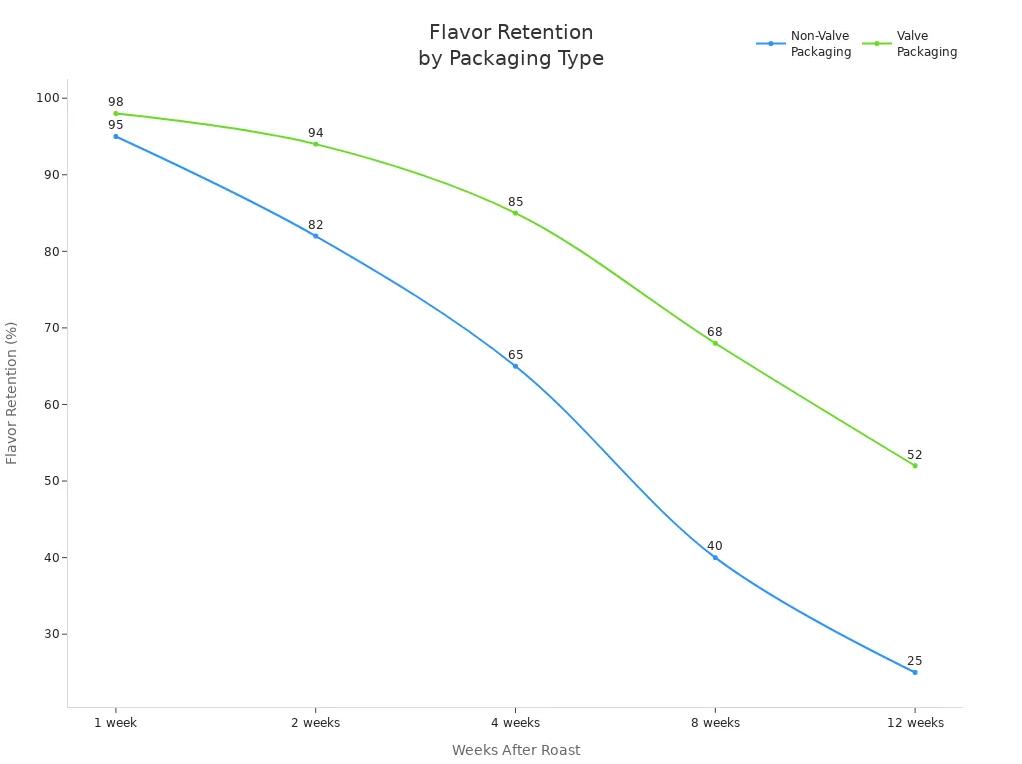
Packaging directly affects how long your coffee stays flavorful. Bags with degassing valves keep coffee fresher for longer. You can see the difference in flavor retention over time:


Weeks After Roast Non-Valve Packaging Valve Packaging
1 week 95% 98%
2 weeks 82% 94%
4 weeks 65% 85%
8 weeks 40% 68%
12 weeks 25% 52%

You can extend shelf life and preserve flavor by choosing the right coffee packaging bag. Aluminum layers provide excellent barriers against oxygen, moisture, and light. Light exposure accelerates oxidation and degradation. One-way degassing valves prevent internal pressure buildup and keep external air out. When you select packaging from Bioflexi, you support freshness and sustainability while meeting customer expectations.


Coffee Packaging Bag Types Compared

Side Gusset Bag Features

You will notice that side gusset bags remain a popular choice for many coffee roasters. These bags expand at the sides, which allows you to package larger quantities while keeping a compact shape. When filled, they stand upright, making them practical for bulk sales in cafes or shops. The durable material protects your coffee during transport and storage. You can also customize the design to match your brand and add informative labels for your customers.


Side Gusset Bag for Coffee


Feature Description
Expandable sides Hold larger quantities of coffee while maintaining a compact shape.
Stand upright when filled Useful for bulk packaging in retail or foodservice settings.
Durable and protective Keeps coffee safe during handling and storage.
Customizable designs Supports branding and product information for better shelf appeal.

Many side gusset bags now include resealable tin-tie closures and one-way degassing valves. These features help you maintain freshness and extend shelf life.


Flat Bottom Bag Features

Compostable Biodegradable Coffee Flat Bottom Pouch with Valve


Flat bottom bags give your coffee packaging bag a modern, premium look. You can display these bags upright, which increases shelf presence and attracts attention. The rectangular base makes stacking and storage efficient, saving space in your shop or warehouse. You have multiple panels for branding, so you can showcase your logo, product details, and certifications.

  • Flat bottom bags stand upright, enhancing shelf appeal.
  • The rectangular shape allows for efficient packing and stacking.
  • Multiple printable panels support custom packaging solutions and marketing.
  • The sturdy design supports heavier fills without tearing.

Specialty coffee brands often choose flat bottom bags for their ability to stand out in retail environments. You can select sustainable packaging options, such as compostable packaging bag materials, to align with your brand values.


Other Bag Types (Stand-Up, Quad Seal, Pillow)

You have several other options for coffee packaging. Stand-up pouches, quad seal bags, and pillow bags each serve different needs:

Packaging Type Typical Use Case Key Features
Aluminum Foil Stand-Up Pouches Premium roasted coffee products Superior barrier, customizable finishes, flexible packaging.
Quad Seal Bags Large volumes, wholesale or export Four side seals for extra strength and stability.
Pillow Bags Single-serve or value packs Simple, cost-effective, easy to fill and seal.

Sustainable packaging continues to grow in popularity. In 2023, nearly half of coffee brands used recyclable, compostable, or reusable materials. Compostable packaging bag options, such as PLA, reduce fossil fuel use and landfill waste. Flexible packaging solutions also help you minimize environmental impact and meet consumer demand for eco-friendly choices.

Tip: Eco-friendly packaging increases perceived value and builds loyalty. Brands like Bioflexi offer custom packaging solutions that combine sustainability with strong shelf appeal.


Degassing Valves in Coffee Packaging

Coffee Packaging Bag


How Degassing Valves Work

You may notice a small valve on your coffee packaging bag. This one-way degassing valve plays a crucial role in preserving coffee quality. Freshly roasted coffee releases carbon dioxide (CO₂) for days after roasting. If you seal coffee without a valve, pressure builds up and can damage the packaging or affect flavor.

Here’s how the valve functions:

  • The valve lets CO₂ escape from inside the bag.
  • It blocks oxygen, moisture, and light from entering.
  • Oxygen causes oxidation, which leads to staleness and loss of aroma.
  • The one-way mechanism ensures gas exits without compromising the bag’s integrity.

You protect your coffee from harmful elements and maintain freshness. Brands like Bioflexi use custom packaging solutions that include degassing valves for both sustainable packaging and flexible packaging options.

Tip: Choose a coffee packaging bag with a degassing valve to keep your beans tasting fresh and aromatic.


Benefits for Coffee Freshness

Degassing valves offer measurable benefits for coffee freshness. You extend shelf life and preserve flavor by allowing CO₂ to escape while preventing oxygen from entering. This technology supports compostable packaging bag designs and sustainable packaging, making it easier for you to meet environmental goals.

Consider these advantages:

  • You reduce safety stock requirements by 25-40%, which means less buffer inventory.
  • You decrease product waste by 30-50%, so fewer bags of stale coffee end up discarded.
  • You can ship coffee to markets 2-3 weeks farther from your roasting facility, expanding your reach.
Benefit Impact on Coffee Business
Extended shelf life Fresher coffee for longer periods
Reduced product waste Lower costs and improved sustainability
Expanded distribution Access to new markets and customers

Bioflexi’s custom packaging solutions combine degassing valves with flexible packaging and compostable packaging bag materials. You support freshness, sustainability, and brand reputation with every coffee packaging bag you choose.


Practical Considerations

Resealability and Tin Tie Options

You want your coffee to stay fresh after opening. Resealability features help you achieve this goal. Tin ties and resealable zippers make it easy for customers to close the bag and preserve flavor. Tin ties require you to roll the bag and secure it, which works well for moderate convenience. Resealable zippers offer a press-to-close mechanism that is intuitive and reliable for repeat use.

Feature Tin Tie Resealable Zipper
Consumer Convenience Moderate. Can be slightly cumbersome to roll and secure. Can fail with repeated use. High. Intuitive press-to-close mechanism that is easy and satisfying to use repeatedly.

You can also select packaging methods that extend product longevity. Vacuum sealing, nitrogen flushing, heat-sealed foil bags with valves, and Mylar bags each provide different levels of protection.

Packaging Method Longevity Description
Vacuum Sealing Up to 6 months Removes oxygen, slowing oxidation and preventing moisture and odors from affecting coffee.
Nitrogen Flushing 3 to 6 months Replaces oxygen with nitrogen, minimizing oxidation and preserving flavor.
Heat-Sealed Foil Bags with Valves 2 to 4 months Prevents oxygen and moisture entry while allowing carbon dioxide to escape, balancing protection.
Mylar Bags Up to 6 months+ Provides a robust barrier against oxygen, moisture, and light, ideal for long-term storage.

Sustainable packaging options, such as compostable packaging bag materials, support freshness and reduce environmental impact. Bioflexi offers flexible packaging and custom packaging solutions that combine resealability with eco-friendly features.


Branding and Customization

You can use your coffee packaging bag to build brand recognition and attract customers. Custom packaging solutions allow you to choose bag styles, materials, and sizes that fit your business model. You may select stand-up pouches, gusseted bags, or flat pouches to match your product type. Material selection, such as Kraft paper or matte finish, impacts both branding and sustainability. Standard sizes like 8 oz, 12 oz, and 1 lb help you meet customer preferences.

  1. Bag Styles: Choose from stand-up pouches, gusseted bags, or flat pouches.
  2. Material Selection: Pick Kraft paper or matte finish for branding and eco-friendliness.
  3. Size Options: Select standard sizes to fit your business needs.
  4. Manufacturer Choice: Consider minimum order quantities and turnaround time.
  5. Design Elements: Use clear messaging, essential coffee information, and eye-catching graphics.

Flexible packaging and sustainable packaging from Bioflexi let you customize your coffee packaging bag while supporting environmental goals.

Tip: Compostable packaging bag materials enhance your brand’s reputation and appeal to eco-conscious customers.


Legal Labeling Requirements

You must follow legal labeling requirements to ensure compliance and build trust. Labels should display the word "COFFEE" prominently, net weight in both Imperial and Metric units, and manufacturer or distributor information. Roast date and origin disclosure are recommended for quality and transparency.

Requirement Description
Statement of Identity The word 'COFFEE' must be prominently displayed on the Principal Display Panel (PDP).
Net Weight Must be in large font, including Imperial and Metric units.
Manufacturer/Distributor Info Name and address of the manufacturer or distributor should be included.
Roast Date Not legally required but recommended for quality; should be clearly indicated.
Origin Disclosure Claims of specific origin must be verified and clearly stated on the label.

You can use custom packaging solutions to ensure your coffee packaging bag meets all legal and quality standards. Sustainable packaging and compostable packaging bag options help you comply with regulations and support your brand values.


Choosing the Right Coffee Packaging Bag

Use Case Scenarios

You need to match your packaging choice to your business model and sales channels. Different packaging types work best in specific situations. For retail shelves, stand-up pouches and flat-bottom bags catch the eye and offer strong shelf presence. Flat-bottom bags provide a modern, structured look and stand upright, making them ideal for stores where appearance matters. If you sell larger quantities or supply cafes, side gusset bags hold more coffee and save space during shipping. Wholesale buyers often prefer these for their efficiency.

E-commerce brings unique challenges. You want packaging that protects your product during shipping and still looks appealing when it arrives. Tins and cans offer premium protection and presentation for high-end online sales. Flexible packaging, such as stand-up pouches with resealable features, works well for direct-to-consumer shipments. When you choose the right coffee packaging bag, you improve usability and shelf presence for your customers.

Tip: Multi-layer laminated films help protect coffee from moisture, oxygen, and light, keeping flavor and freshness intact.


Factors for Small vs. Large Businesses

Your business size shapes your packaging priorities. Small businesses often focus on material selection to ensure quality and protection. You may want to use eco-friendly materials, such as compostable packaging bag options, to attract environmentally conscious customers. Unique design elements help you stand out in a crowded market. Custom packaging solutions let you tailor your look and message.

Large businesses might prioritize efficiency and scalability. They often choose packaging that supports high-volume production and consistent branding. Sustainable packaging remains important, especially as more consumers expect brands to reduce waste. Flexible packaging options allow you to adjust quickly to changing market demands.

  • Consider how packaging materials protect your coffee.
  • Evaluate the impact of sustainable packaging on your brand image.
  • Use custom packaging solutions to differentiate your products.
  • Brands like Bioflexi offer a range of options, including compostable packaging bag materials and flexible packaging, to meet both small and large business needs.
Business Size Key Considerations
Small Material quality, sustainability, unique design
Large Efficiency, scalability, consistent branding

Choosing the right packaging supports your business goals and helps you deliver fresh, high-quality coffee to your customers.


You have many options when choosing a coffee packaging bag. Side gusset bags work well for bulk sales and classic branding. Flat bottom bags offer strong shelf appeal and more space for custom packaging solutions. Sustainable packaging matters—73% of global coffee purchases in 2023 were sustainable, and ESG claims influence buying habits. Consider compostable packaging bag materials, flexible packaging, and premium finishes. Brands like Bioflexi help you balance durability, cost, and eco-friendly features. Always match your packaging to your customers’ needs and your business goals for the best results.


FAQ

What is the main benefit of a degassing valve in a coffee packaging bag?

A degassing valve lets carbon dioxide escape from freshly roasted coffee. You keep oxygen out, which helps preserve flavor and aroma. This feature extends shelf life and protects your coffee.

How does sustainable packaging help your coffee business?

Sustainable packaging shows you care about the environment. You attract eco-conscious customers and build trust. Compostable packaging bags reduce waste and support your brand’s reputation for responsibility.

Can you customize coffee packaging bags for your brand?

You can use custom packaging solutions to match your logo, colors, and product details. Flexible packaging options let you choose sizes and materials. Bioflexi offers many ways to personalize your coffee packaging bag.

What makes flat bottom bags stand out on store shelves?

Flat bottom bags stand upright and look modern. You get more space for branding and product information. This design increases shelf appeal and helps your coffee catch the eye of shoppers.

Why should you consider compostable packaging bags?

Compostable packaging bags break down naturally. You reduce landfill waste and support sustainability. Customers appreciate brands that use eco-friendly materials, like those offered by Bioflexi.

5 Essential Features of Flat Bottom Coffee Bags for Maximum Freshness

You want your coffee to stay fresh and flavorful. You should look for these five must-have features in a flat bottom coffee bag:

  • Flat bottom structure for stability and shelf appeal

  • Airtight seals

  • One-way degassing valve

  • High-barrier materials

  • Resealable closures

These features lock in aroma, protect against moisture, and add convenience. Both coffee lovers and experts agree—these details make a real difference in taste and satisfaction.


Key Takeaways

  • Choose flat bottom coffee bags for stability and shelf appeal. Their design helps your coffee stand upright, making it more visible and attractive to customers.

  • Look for airtight seals and one-way degassing valves. These features keep oxygen out and preserve the rich flavors of your coffee, ensuring freshness with every cup.

  • Opt for high-barrier materials and resealable closures. These options protect your coffee from moisture and allow you to enjoy it over time without losing taste.


Flat Bottom Coffee Bag Structure

Compostable Flat Bottom Coffee Bags With Valve

Stability and Shelf Appeal

When you choose a flat bottom coffee bag, you get more than just a container. The flat bottom design gives your bag a sturdy, box-like shape. This means your coffee packaging stands upright on shelves, never slumping or tipping over. You get a neat, organized look that draws attention in any store. Retailers love this because it makes their displays look clean and professional.

Take a look at how flat bottom bags compare to other options:

Feature

Flat Bottom Bags

Gusseted Pouches

Shelf Visibility

Five display faces

Less visibility

Physical Stability

Excellent

Less stable

Filling Efficiency

Smooth and reliable

May shake during transit

You can see why so many brands now pick flat bottom or block bottom bags for their coffee. The structure combines the best of stand-up pouches and quad seal box bottom bags, giving you unmatched stability and a premium feel.


Branding Visibility

You want your coffee to stand out. Flat bottom coffee bags give you a big advantage here. The upright, boxy shape offers five printable panels. You get more space for your logo, story, and product details. This extra room helps you share what makes your coffee special.

  • The flat bottom design lets your bag stand tall, so shoppers spot your brand first.

  • You can print bold graphics and clear information on every side.

  • The shape holds more coffee and looks modern, which boosts your shelf presence.

BioPouches flat bottom coffee bags make it easy to customize your look. You can add features like coffee valve bags or resealable zippers to match your brand’s needs. With this structure, your coffee packaging does more than protect—it helps you sell.


Airtight Seals


Oxygen Protection

You want your coffee to taste fresh every time you open the bag. Airtight seals play a huge role in keeping oxygen out and locking in flavor. Oxygen is the biggest threat to coffee quality. When air sneaks in, it speeds up oxidation and dulls the aroma. Using high-quality, airtight containers slows down this process. Vacuum sealing works well because it removes air and helps preserve essential compounds like chlorogenic acids and aroma precursors. Research shows that storing coffee at lower temperatures and limiting oxygen access keeps those delicious flavors stable.

You have several options for airtight coffee packaging:

  • Foil bags block oxygen, moisture, and UV light.

  • Kraft paper bags offer eco-friendly protection with special linings.

  • Plastic pouches are lightweight and often include resealable zippers.

  • Metal cans provide robust, airtight seals for maximum shelf life.

If you use coffee valve bags, you get extra protection. These bags let gases escape without letting air in, which keeps your coffee fresher for longer.


Seal Types Compared

Choosing the right seal makes a big difference. Let’s look at zipper seals and heat seals:

Aspect

Zipper Seal

Heat Seal (as initial seal)

Airtightness

High. Nearly hermetic when closed properly.

Very High. Perfect, hermetic until opened.

Reusability

Excellent. Hundreds of open/close cycles.

Poor. One-time seal, not resealable.

Freshness Retention

Best. Top choice for long-term freshness.

Excellent (initially). Maximum freshness.

Coffee valve bags with zipper seals give you the best of both worlds. You get airtight protection and easy resealing. Flat bottom coffee bag designs, like quad seal box bottom or block bottom, often include these features for premium coffee packaging.


One-Way Degassing Valve


Freshness for Roasted Coffee

You want your coffee to taste as fresh as the day it was roasted. That’s where coffee valve bags come in. When you use a flat bottom coffee bag with a one-way degassing valve, you give your beans the best shot at staying flavorful. Freshly roasted coffee releases carbon dioxide for days after roasting. If you trap that gas, your bag can bloat or even burst. The one-way valve solves this problem. It lets CO2 escape while blocking oxygen from getting in. This keeps your coffee from going stale and helps preserve those rich, complex flavors.

The valve works with a flexible diaphragm. It opens just enough to vent gas, then closes tight to keep air out. This simple feature makes a huge difference. Studies show that coffee valve bags can keep your coffee fresh for up to 120-180 days, much longer than vacuum-sealed options.

Tip: If you want to keep your coffee’s aroma and taste, always choose coffee packaging with a one-way valve.


Consumer Convenience

You get more than just freshness with coffee valve bags. You also get peace of mind. Roasters love these valves because they can package coffee right after roasting. No need to wait for degassing. That means faster production and less risk of waste.

Check out how much flavor you keep with valve packaging compared to bags without valves:

Weeks After Roast

Non-Valve Packaging

Valve Packaging

1 week

95% flavor retention

98% flavor retention

2 weeks

82% flavor retention

94% flavor retention

4 weeks

65% flavor retention

85% flavor retention

8 weeks

40% flavor retention

68% flavor retention

12 weeks

25% flavor retention

52% flavor retention

Coffee valve bags also help you reduce waste and extend your reach. You can ship your coffee farther and keep it on shelves longer. Whether you use a quad seal box bottom, block bottom, or flat bottom design, adding a valve is a smart move for both you and your customers.


High-Barrier Materials


Moisture and Oxygen Block

You want your coffee to stay fresh and full of flavor. That’s why you need high-barrier materials in your coffee packaging. These materials act like a shield, blocking out moisture and oxygen that can ruin your beans. When you use the right barrier, you keep out the things that make coffee go stale. Here’s a quick look at some of the most effective materials:

Material

Barrier Properties

PVDC

Highly effective against oxygen and moisture; often coats other materials.

Metallized films

Excellent barriers against oxygen, moisture, and light; perfect for coffee.

Aluminum

Blocks light, gases, and moisture; offers nearly complete protection.

EVOH

Used in multilayer barriers for top-notch moisture and gas protection.

Flexible packaging with these materials also helps the planet. It uses fewer resources, creates less waste, and cuts down on emissions during production. You get longer shelf life, less product damage, and lower transportation costs.


Material Options

You have more choices than ever for sustainable coffee packaging. Many brands now use compostable, recyclable, or post-consumer recycled materials. These options let you protect your coffee and show you care about the environment.

Material

Origin

End-of-Life

Performance Snapshot

Common Uses

Recycled Paperboard

Recovered fiber

Widely recyclable

Good printability, moderate barrier

Cartons, sleeves

rPET

Post-consumer bottles

Highly recyclable

Strong, clear, good barrier

Bottles, thermoforms

PLA Bioplastic

Corn/sugarcane

Industrial composting

Clear, lower heat resistance

Liners, thermoforms

PHA Biopolymer

Microbial fermentation

Compostable

Flexible films, coatings

Sachets, cutlery

Cellulose Films

Wood pulp

Compostable variants

Good gas transmission control

Confectionery wraps

When you choose certified materials, you add another layer of trust. Look for:

  • BRC certification for quality and safety.

  • ISO certification for consistent quality management.

You get peace of mind knowing your packaging meets high standards. Plus, you help reduce waste and protect the planet.


Resealable Closures


Freshness After Opening

You want your coffee to taste just as good on the last cup as it did on the first. That’s where resealable closures come in. When you open a bag with a high-quality zipper, you can close it again and keep most of the air out. This near-airtight seal blocks oxygen, which is the main reason coffee loses its flavor and aroma after opening. You get to enjoy fresh coffee for days or even weeks, not just the first morning. Resealable zippers make it easy to protect your beans from moisture and outside odors, so every scoop smells amazing. You don’t have to worry about your coffee going stale before you finish the bag.


User-Friendly Features

You want packaging that’s easy to use, especially when you’re still half asleep and reaching for your morning brew. Resealable coffee bags often include smart features that make your life simpler. Tear notches let you open the bag quickly and cleanly—no scissors needed. The zipper lets you open and close the bag as many times as you want, always keeping your coffee fresh.

Here’s a quick look at how these features help you:

Feature

Benefit

Tear Notches

Quick, clean opening—no tools required

Resealable Zippers

Multiple openings while locking in freshness

Reduced Spillage

Guided tear prevents accidental mess

User Convenience

Easy to open, even with one hand

Preservation of Freshness

Seal stays intact until first use, keeping flavor locked in

You’ll notice fewer spills and less mess. You also get a smooth, reliable experience every time you open your coffee. These thoughtful touches build trust and make you more likely to choose the same brand again. Resealable closures turn a simple bag into a package you can count on for freshness and convenience.


You want your coffee to stay fresh and your brand to stand out. Check out how these five features make a difference:

Feature

Why It Matters

Structure

Boosts shelf appeal and stability

Airtight Seals

Locks in freshness

Degassing Valve

Preserves aroma and flavor

High-Barrier Materials

Shields against moisture and oxygen

Resealable Closures

Keeps coffee fresh after opening

  • Choose bags with these features for better taste and happier customers.

  • Look for eco-friendly materials and trusted certifications—they build loyalty and trust.


FAQ

What makes flat bottom coffee bags better for freshness?

You get five key features: airtight seals, high-barrier materials, a degassing valve, resealable closures, and a stable structure. These work together to keep your coffee fresh.


Can I recycle or compost these coffee bags?

Many flat bottom coffee bags use recyclable or compostable materials. Check for certifications like BRC or ISO. You help the planet when you choose these options.


Why do I need a one-way degassing valve?

You need this valve because it lets carbon dioxide escape without letting air in. Your coffee stays flavorful and never gets stale.

Custom Pet Food Packaging Bags Trends in Dog & Cat Food Preservation

You see new trends shaping pet food packaging every year. Today, you find a strong focus on keeping dog and cat food fresh, safe, and visually appealing. Many brands now use advanced packaging like high barrier pet food bag options to lock out moisture and air. You notice a shift toward recyclable and compostable packaging, making sustainability a top priority. Resealable features and single-serve packaging for cat food add convenience for you as a pet owner. Flexible casings for dog food help reduce waste. These innovations in packaging not only preserve quality but also help brands stand out on the shelf.


Key Takeaways

  • High barrier packaging keeps pet food fresh by blocking moisture and air, ensuring safety and nutritional value.

  • Sustainable packaging options, like recyclable and compostable materials, help reduce environmental impact and appeal to eco-conscious consumers.

  • Smart packaging features, such as QR codes and freshness indicators, enhance consumer trust and provide instant access to product information.

  • Customizable designs and easy-open features make pet food packaging more appealing and user-friendly, improving the overall experience for pet owners.

  • Investing in innovative packaging solutions can help brands stand out in a competitive market and meet growing consumer demand for quality and sustainability.


Why Pet Food Packaging Matters

Food Safety and Freshness

You rely on packaging to keep your pet’s food safe and fresh. The right packaging acts as a shield against moisture, air, and contaminants. This protection helps preserve the nutritional value and safety of the food your pet eats. You want to avoid spoilage and keep harmful elements away from your pet’s meals.

  • Packaging materials enhance barrier protection against moisture, air, and contaminants, preserving nutritional value and safety.

  • Innovations in packaging support natural shelf-life extension, aligning with consumer preferences for clean-label products.

  • Effective barrier materials prevent the entry of oxygen, moisture, and light, which can degrade food quality.

  • 74% of pet owners are willing to pay more for products with packaging that naturally preserves freshness.

  • 68% associate packaging quality directly with product quality.

  • Pet food bags protect contents from moisture, air, contaminants, and pests, crucial for maintaining nutritional value and safety.

  • Effective barrier materials prevent oxidation, moisture buildup, and contamination, which can spoil pet food.

You see trends in pet food packaging that focus on keeping food fresh for longer. High barrier bags use advanced technology to block out oxygen and moisture. This helps maintain the taste and nutrition of your pet’s food. You notice that packaging quality often matches the quality of the product inside.


Shelf Life and Quality

You want your pet’s food to stay fresh until the last serving. Advanced packaging solutions, such as high barrier bags, actively combat degradation factors like oxygen, moisture, and light. These elements can cause off-flavors and nutrient loss. High-barrier films protect against these threats, ensuring your pet’s food remains fresh and safe for consumption.

Plastic packaging provides exceptional barrier properties that safeguard pet food from moisture, oxygen, and contaminants. This extends shelf life and preserves freshness. You benefit from packaging that reduces food waste and keeps your pet’s meals at their best. The ability of pet food packaging to act as a barrier is crucial. High-barrier films are designed to protect against elements that can significantly reduce shelf life, ensuring that products reach you in optimal condition.


Trends in Sustainable Pet Food Packaging

Eco-Friendly Materials

You see a major shift in packaging trends as brands focus on sustainable pet food packaging. Companies now use eco-friendly packaging to reduce environmental impact and meet consumer expectations. You find several material options available for pet food bags. These include recyclable plastics, bio-based plastics, compostable materials, and advanced barrier technologies. Each material offers unique benefits for sustainability and food preservation.

Here is a table that shows the most commonly used eco-friendly materials in pet food packaging and their environmental impacts:

Material Type

Description

Environmental Impact

Recyclable plastics

Durable options like HDPE, PP, and PET, including PCR materials.

Reduces reliance on virgin plastic, but recyclability varies by region.

Bio-based plastics

Made from renewable resources like sugarcane and corn starch.

Lower carbon footprint; sugarcane captures CO₂ during growth.

Compostable materials

Includes PCL, PHA, and PBAT, suitable for single-serve products.

Breaks down in industrial composting, but requires access to facilities and clear disposal instructions.

Advanced barrier tech

Innovations in PE- and PP-based films integrated into recyclable substrates.

Enhances safety and nutrition of pet food while improving recyclability.

You notice that choosing eco-friendly recyclable materials can lower greenhouse gas emissions and enhance consumer trust. Modern packaging reduces fossil fuel use, greenhouse gas emissions, and water consumption compared to traditional packaging formats. Eco-friendly packaging options, such as biodegradable or recycled materials, are crucial for environmental protection.

BioPouches offers a range of sustainable pet food packaging solutions. You can select from compostable, recyclable, and PCR materials. These options help you align your brand with sustainability goals and appeal to eco-conscious pet owners. BioPouches holds certifications like BRC, ISO, and BPI, which confirm adherence to international safety and quality standards.


Compostable and Recyclable Options

You see compostable packaging for fresh and frozen pet foods gaining popularity. Compostable materials, such as PCL and PBAT, break down in industrial composting facilities. You must plan for proper storage, distribution, and disposal to make compostable packaging effective. Compostable packaging appeals to eco-conscious consumers, especially for fresh pet food and frozen pet food products.

Recyclable options, including recycle-ready materials like HDPE, PP, and PET, are also on the rise. These materials reduce reliance on virgin plastics and support sustainability. You benefit from packaging that is easy to recycle and helps lower greenhouse gas emissions. Advanced barrier technologies now integrate into recyclable substrates, improving food safety and nutrition while supporting sustainable packaging goals.

You notice that the market for sustainable pet food packaging is growing. Brands invest in innovation and recycling initiatives to meet consumer demand. However, you may face challenges such as uneven recycling infrastructure and higher production costs. Stringent regulations on packaging materials and fluctuating raw material prices also affect adoption rates.


Consumer Demand for Sustainable Packaging

You play a key role in driving trends toward sustainable pet food packaging. Surveys show that 75% of pet owners are willing to spend more on brands with sustainable packaging. You prefer brands that switch to sustainable packaging, with 74% of pet food buyers expressing this preference.

You look for packaging that is safe, reliable, and environmentally friendly. Certifications like FSSC 22000, BRCGS, ISO, HACCP, and GFSI reassure you about safety and quality. Here is a table that highlights how these certifications influence consumer trust:

Certification

Description

Influence on Consumer Trust

FSSC 22000

Confirms adherence to international food safety standards across the supply chain.

Ensures safety and quality, reassuring consumers.

BRCGS

Ensures packaging materials meet global safety and quality standards.

Demonstrates commitment to quality, enhancing trust.

ISO

International standards for quality management.

Builds confidence in product reliability.

HACCP

Focuses on food safety through hazard analysis.

Reassures consumers about safety measures.

GFSI

Global Food Safety Initiative standards.

Enhances trust through recognized safety protocols.

You see sustainable packaging as a way to protect the environment and ensure product safety. Eco-friendly packaging and recycle-ready materials help you make responsible choices for your pets and the planet. You support brands that invest in sustainability and innovation, shaping the future of packaging trends in the pet food industry.

Tip: When you choose sustainable pet food packaging, you help reduce plastic waste and support a healthier environment for your pets and your community.


High Barrier Pet Food Bag Innovations

You see high barrier pet food bag options leading the way in food preservation. These bags use advanced barrier technologies to protect your pet’s food from air, moisture, and contaminants. You benefit from packaging that keeps food fresh and safe, supporting both quality and convenience. The latest trends in packaging focus on multi-layer construction, moisture and oxygen control, and user-friendly features.


Multi-Layer Barrier Technology

You notice that multi-layer barrier technology has transformed the high barrier pet food bag. Manufacturers use several layers of materials to create high-performance barriers. Each layer serves a specific purpose, such as blocking oxygen, resisting moisture, or adding strength. You find that LDPE, EVOH, and biodegradable materials are common choices for these bags.

Here is a table that shows how different materials contribute to multi-layer barrier technology:

Material Type

Description

Benefits

Challenges

LDPE

Flexible, tear-resistant plastic

Easier recycling, strong protection

Transitioning brands may take time

EVOH

Flexible thermoplastic copolymer

Improved barrier properties

Recyclability solutions emerging

Biodegradable

Derived from plant sources

Better end-of-life outcomes

Limited market acceptance

You see a shift from multilayer PET to LDPE, which makes recycling easier. EVOH adds enhanced barrier properties, keeping food fresh for longer. Biodegradable materials like crystallized PLA and cellulose nanocomposites offer environmental benefits. You benefit from innovation in multi-layer construction, which helps maintain the freshness and safety of fresh pet food.

  • Manufacturers use LDPE for easier recycling.

  • EVOH improves barrier performance.

  • Biodegradable materials support sustainability and food preservation.


Moisture and Oxygen Protection

You rely on high barrier pet food bag solutions to keep moisture and oxygen away from your pet’s food. These elements can cause spoilage, loss of nutrition, and off-flavors. Advanced barrier technologies now include oxygen scavenger technology, moisture management systems, and modified atmosphere packaging.

Here is a table that highlights how these features extend shelf life:

Evidence Type

Description

Oxygen Scavenger Technology

Removes oxygen from the package, extending shelf life without chemicals.

Moisture Management

Uses natural humidity regulators to maintain food quality.

Modified Atmosphere Packaging

Replaces oxygen with protective gases to inhibit oxidation and microbial growth.

You see oxygen scavenger technology working to keep food fresh. Moisture management systems use natural regulators instead of chemicals. Modified atmosphere packaging replaces oxygen with protective gases, which helps prevent spoilage and keeps food safe. You benefit from packaging that uses high-performance barriers to block moisture and oxygen, ensuring your pet’s food stays fresh.

  • Oxygen scavenger technology extends shelf life.

  • Moisture management keeps food quality high.

  • Modified atmosphere packaging inhibits spoilage.


Resealable and Easy-Open Features

You want packaging that is easy to open and reseal. High barrier pet food bag designs now include quad-seal construction and heat-sealable zippers. These features make it simple for you to access food and keep it fresh between servings.

Here is a table that shows the benefits of different sealing methods:

Sealing Method

Benefit

Heat Sealing

Creates airtight seals to prevent spoilage.

Resealable Zippers

Allows for easy closure to maintain freshness.

You find that resealable packaging helps maintain food quality for products not consumed in one sitting. It reduces the risk of mold growth and contributes to food waste reduction. You prefer easy access to pet food without compromising freshness. Quad-seal designs create a highly sealed space that blocks air, moisture, and dust. Heat-sealable zippers add convenience and help maintain product integrity after opening.

  • Resealable packaging helps reduce food waste.

  • Easy-open features increase brand loyalty.

  • Quad-seal designs and heat-sealable zippers maintain freshness and quality.

Tip: Choose high barrier pet food bag options with resealable and easy-open features to keep your pet’s food fresh and safe.

You see innovation driving the development of high barrier pet food bag solutions. Manufacturers use food-grade materials and strict quality control to meet regulatory requirements. These standards prevent harmful contaminants and build consumer trust. You benefit from packaging that meets international safety standards and supports sustainability.

High barrier pet food bag innovations continue to shape the future of packaging. You enjoy longer shelf life, better food quality, and greater convenience. Advanced barrier technologies, multi-layer construction, and user-friendly features work together to keep your pet’s food fresh and safe.


Customization and Branding in Pet Food Packaging

Custom Printing and Design

You want your pet food brand to stand out in a crowded market. Customized packaging gives you the power to create a unique identity that attracts attention and builds trust. When you use custom printing, you can apply color blocking strategies that create strong brand blocks on store shelves. Consistent design systems across your product lines help you build a cumulative brand impact. Distinctive colors make it easy for pet owners to recognize different formulations at a glance.

  • Color blocking helps your products dominate shelf sections.

  • Consistent design systems reinforce your brand’s presence.

  • Distinctive colors support quick consumer recognition.

Professional branding on your packaging establishes credibility. You show pet owners that you care about safety and quality. Certifications, such as vet-approved labels, increase consumer confidence. Transparent sourcing practices on your packaging allow pet owners to make informed choices. With BioPouches, you can access drawing-based customized options, advanced printing methods like rotogravure and digital, and even 3D mock-ups to visualize your design before production.


Flat Bottom and Stand-Up Bags

You benefit from packaging that combines visual appeal with practical features. Flat bottom pouches provide stability on shelves and offer ample space for branding. Stand-up pouches are convenient for storage and catch the eye of shoppers. These designs support both customized graphics and clear product information, making your packaging both attractive and functional.

  • Flat bottom pouches stay upright and maximize branding space.

  • Stand-up pouches are easy to store and visually appealing.

BioPouches specializes in customized flat bottom and stand-up bags, helping you showcase your brand while maintaining freshness and supporting environmental sustainability.


Portion Control and Convenience

You want packaging that fits your lifestyle and reduces waste. Features like single-serve formats and portion control help you manage servings and keep food fresh. Sustainable packaging with portion control plays a key role in maintaining freshness and convenience. This approach reduces food loss and waste, supporting a sustainable future.

Research shows that packaging with resealability and portion control allows you to use multiple servings from one container. You avoid throwing away unused food, which saves money and supports environmental sustainability. Single-serve packaging and reusable features make feeding your pet easier and more efficient. You also benefit from improved recyclability and less clutter at home.

Tip: Choose customized single-serve packaging with reusable and recyclable features to support a sustainable future and make daily feeding routines simpler.


Smart Packaging and Market Trends

Freshness Indicators and QR Codes

You see smart packaging changing how you interact with pet food. Freshness indicators now help you check the quality of products in real time. These indicators use color changes, gas sensing, and microbial detection to alert you about spoilage or contamination. QR codes and smart labels give you instant access to product details, feeding guidelines, and sustainability information. NFC technology lets you verify authenticity and learn about the origin of your pet food.

Indicator Type

Function

Dynamic Colorimetric Indicators

Provides real-time freshness data, aiding in shelf life management.

Gas Sensing Technology

Detects gases from spoiled food, offering early spoilage warnings.

Microbial Indicators

Identifies harmful bacteria, enhancing safety by detecting contamination early.

You benefit from these innovations, especially when buying frozen pet food. You can scan QR codes to confirm storage conditions and check if the frozen product remains safe for your pet.

Tip: Scan QR codes on packaging to access feeding instructions and verify product authenticity.


Tamper-Evident Features

You want to trust that your pet food remains safe until you open it. Tamper-evident features in packaging, such as breakable seals or tamper strips, show you if the product has been altered before purchase. These features give you peace of mind and help maintain food safety. You notice that tamper-evident packaging builds trust between brands and consumers.

  • Tamper-evident seals ensure food safety.

  • Breakable strips provide visible proof of product integrity.

  • You feel confident knowing your pet’s food has not been compromised.


Market Drivers and Consumer Preferences

You drive the demand for smart packaging through your choices and expectations. The pet food industry is growing quickly, and you want reliable packaging that keeps food fresh and safe. Brands use smart technology, like freshness monitoring and NFC tags, to stand out and build trust. Tightening regulations push companies to adopt advanced packaging solutions.

You see manufacturers using AI to improve packaging safety and efficiency. Smart packaging helps optimize supply chains and enhances your experience as a consumer. You also notice regional preferences. In China, QR codes for product information and authenticity are popular. In the United States, you value environmental responsibility and conscious consumption. Locally inspired artwork and native language text appeal to you in many regions.

Region

Preference Feature

General

Locally inspired artwork, native language text, or traditional patterns

China

QR codes for product information and authenticity

United States

Environmental responsibility and conscious consumption

You learn more about sustainable packaging through education. About 70% of pet owners like you seek eco-friendly options and pay more for sustainable solutions. You help shape the future of packaging by choosing products with smart features and supporting brands that invest in innovation.

Note: Smart packaging solutions make it easier for you to track product origin, nutritional details, and freshness, especially for frozen and frozen pet food products.


You see custom pet food packaging evolving with high barrier technology, eco-friendly materials, and smart features. Most pet owners now prioritize packaging that preserves freshness and supports sustainability.

  • Flexible packaging protects food from moisture and contamination.

  • Interactive elements like QR codes foster brand loyalty and engagement.

  • Innovative packaging designs create memorable experiences for you and your pet.

Trend

Implication for Businesses

Sustainability

Invest in eco-friendly materials to meet consumer demand.

Premiumization

Focus on innovative packaging solutions to attract customers.

Convenience

Adapt packaging to enhance user experience and accessibility.

You benefit from packaging that extends shelf life, supports responsible choices, and reflects local preferences. Advancements in packaging will continue, so you should expect even greater convenience and sustainability in the future.


FAQ

What makes custom pet food packaging important for freshness?

Custom pet food packaging helps you keep food fresh by blocking moisture and air. You protect your pet’s meals from spoilage and maintain nutritional value. Advanced packaging solutions extend shelf life and support food safety.


How do sustainable packaging options benefit you and your pet?

Sustainable packaging reduces waste and supports a cleaner environment. You choose eco-friendly materials that break down easily or can be recycled. These options help you make responsible choices for your pet and the planet.


What features should you look for in high barrier packaging?

You should look for multi-layer construction, moisture protection, and resealable closures. These features keep food safe and fresh. High barrier packaging uses advanced technology to block contaminants and preserve quality.


Can you customize packaging to fit your brand?

You can customize packaging with unique designs, colors, and printing methods. Customization helps your brand stand out on shelves. You create packaging that matches your identity and appeals to pet owners.


Why are smart packaging features becoming popular?

Smart packaging features, like freshness indicators and QR codes, give you instant access to product information. You check safety, feeding instructions, and authenticity quickly. These innovations improve your experience and build trust.

Keeping Coffee Fresh The Role of Degassing Valves in Coffee Packaging Bags

If you love coffee, you know nothing beats that fresh, rich aroma when you open a new bag. Packaging plays a huge role here. Degassing valves let carbon dioxide escape but keep oxygen out. This simple feature helps stop oxidation, preserves flavor, and extends shelf life by up to 60%. Many people wonder if these valves are recyclable or how to dispose of them. Choosing a recyclable coffee pouch helps you enjoy your brew and care for the planet.


Key Takeaways

  • Degassing valves in coffee bags allow carbon dioxide to escape while keeping oxygen out, preserving flavor and extending shelf life by up to 60%.

  • Choosing recyclable coffee pouches helps reduce waste and supports eco-friendly practices, making your coffee choice better for the planet.

  • Letting coffee rest for a few days after roasting enhances its flavor, so always consider the degassing process before brewing.


Coffee Freshness After Roasting

Gas Release and Its Impact

When you roast coffee beans, you trigger a burst of chemical changes. The Maillard reaction and caramelization both happen during roasting. These reactions create the deep flavors and rich aromas you love in your morning cup. Right after roasting, coffee beans start to release carbon dioxide. This process is called degassing.

You might not realize it, but the way beans release gas depends on the roast level. Light roasts hold onto their gases longer because they are denser. Medium roasts let go of gas at a moderate pace. Dark roasts, which are more brittle, release gas quickly. Temperature and humidity also play a role in how fast this happens. If you brew coffee too soon, you might taste sharp or bitter notes. Waiting for the right amount of degassing helps mellow those flavors and brings out the complexity.

Tip: Letting coffee rest for a few days after roasting can make a big difference in taste.


Why Trapped Gases Matter

Trapped gases in coffee packaging can change the way your coffee tastes and smells. If you seal freshly roasted beans without a way for gases to escape, the bag can puff up or even burst. Too much carbon dioxide inside the bag can lead to sour or bitter flavors when you brew. On the other hand, if you let too much air in, oxygen can break down the oils and make your coffee taste stale.

That’s why many brands use a one-way valve in their packaging. This valve lets carbon dioxide out but keeps oxygen from getting in. It helps keep your coffee fresh and aromatic. When you choose a recyclable coffee pouch with a degassing valve, you get the best of both worlds—freshness and sustainability.


Degassing Valves in Recyclable Coffee Pouch

Valve Mechanism

You might wonder how a tiny valve can make such a big difference in your coffee’s freshness. The secret lies in its clever design. Most degassing valves in a recyclable coffee pouch use food-grade polymers like polypropylene or polyethylene. These materials are safe for food and fit well with recycling systems.

Here’s a quick look at how the valve works:

Component

Function

Circular housing

Holds the valve parts together and attaches to the pouch.

Flexible membrane

Lifts up when gas pressure builds, letting carbon dioxide escape.

Micro-channel/flap

Controls airflow, so gas gets out but oxygen stays out.

When your coffee releases carbon dioxide, the pressure inside the pouch rises. The flexible membrane lifts, and the gas escapes through the micro-channel. Once the pressure drops, the membrane closes again, blocking outside air. This one-way system keeps your coffee safe from oxygen, which can ruin its flavor.


Freshness Protection

You want your coffee to taste as good as the day it was roasted. That’s where the degassing valve and the recyclable coffee pouch team up. The pouch itself uses a mono-material structure, which means it’s made from a single type of plastic. This design makes recycling easy and keeps the packaging strong.

Barrier protection is another key feature. The pouch blocks out moisture, light, and air—all enemies of fresh coffee. The degassing valve lets carbon dioxide escape without letting oxygen in. This combination keeps your coffee’s aroma and flavor locked in. You get a rich, satisfying cup every time.

Note: Studies show that coffee bags with degassing valves can extend shelf life by up to 60%. That means more time to enjoy your favorite beans at their best.

You also get options like zip-locks or tin ties, so you can reseal the pouch after each use. This keeps your coffee fresh even after opening.


Key Benefits

Choosing a recyclable coffee pouch with a degassing valve gives you several advantages:

  • Freshness: The valve preserves the unique flavors and aromas of your coffee.

  • Quality Control: It prevents gas buildup, so your pouch won’t puff up or burst.

  • Packaging Efficiency: The pouch stays neat and easy to store, with no mess.

  • Eco-Friendliness: Mono-material pouches fit right into recycling streams, reducing waste.

  • Customizable Design: You can pick the size, closure, and artwork that fits your brand or personal style.

Manufacturers love these pouches because they protect the product and look great on shelves. You’ll love them because they keep your coffee tasting amazing and help the planet at the same time.

A degassing valve in a recyclable coffee pouch lets coffee beans release gas slowly, without letting in outside air. This simple feature protects the flavor, aroma, and texture you crave.

If you want coffee that stays fresh and packaging that’s easy on the environment, this is the way to go.


Comparing Packaging Solutions

Degassing Valve Bags vs. Standard Bags

When you look at coffee packaging, you’ll notice some bags have a small valve while others don’t. That little valve makes a big difference. Here’s why:

  • Degassing valve bags let carbon dioxide escape, so your coffee stays fresh and the bag doesn’t puff up.

  • These bags keep oxygen out, which helps preserve flavor and aroma.

  • You get a longer shelf life and better quality compared to standard bags.

  • Standard coffee bags cost less, but they don’t protect freshness as well.

Degassing valves add a small cost—about two cents per bag. You might pay a bit more, but you get coffee that tastes better for longer.


Choosing Sustainable Packaging

If you care about the planet, you probably want packaging that’s easy to recycle. A recyclable coffee pouch helps you cut down on waste and pollution. Let’s compare the options:

Packaging Type

Recyclability Factors

Challenges

Recyclable Coffee Pouches

Designed to reduce waste and pollution

N/A

Traditional Packaging

Material complexity complicates recycling

Contamination from coffee residue

Custom options let you pick the size, shape, and graphics that show off your brand. You can choose pouches with certifications like BRC, ISO, or compostable materials. These details build trust and help your coffee stand out.

Brands use sustainable packaging to connect with eco-conscious customers. You see more refill stations and returnable containers now. When you pick packaging that matches your values, you support the shift toward greener choices.

Tip: Unique packaging and clear labeling help your coffee catch the eye and build loyalty with customers who care about quality and sustainability.


You want your coffee to taste amazing every time. One-way degassing valves let carbon dioxide escape and keep oxygen out, so your beans stay fresh and flavorful.

  • These valves extend shelf life and protect quality.

  • Recyclable pouches help you reduce waste and support a greener planet.

Manufacturers now focus on eco-friendly packaging that lowers carbon footprints and meets consumer expectations.

Benefit

Description

Improved Quality Control

Keeps your coffee’s unique flavor and aroma intact.

Higher Customer Satisfaction

Eco-conscious choices attract more loyal customers.

Enhanced Freshness and Flavor

Valves prevent oxygen from ruining your coffee’s taste and aroma.

Next time you buy coffee, pick a recyclable pouch with a degassing valve. You’ll taste the difference and help the environment, too.


FAQ

How does a degassing valve keep my coffee fresh?

A degassing valve lets carbon dioxide escape but blocks oxygen. This keeps your coffee beans from going stale and helps lock in flavor.


Can I recycle coffee pouches with degassing valves?

Yes! You can recycle mono-material pouches with valves. Just check your local recycling guidelines for LDPE (#4) plastics.


Do I need to reseal the pouch after opening?

You should always reseal your pouch. Use the zip-lock or tin tie. This keeps air and moisture out, so your coffee stays fresh.


The Ultimate Guide to Getting a Fast & Accurate Custom Food Packaging Quote

Getting a fast and accurate quote for Custom Food Packaging can give your business a competitive edge. You save valuable time when you provide clear specifications and detailed branding elements. Many suppliers respond quickly, especially when you use streamlined online forms. Prepare all necessary details before you request a quote. This preparation ensures a smooth process and helps you avoid delays.


Key Takeaways

  • Prepare all necessary details before requesting a quote to ensure a smooth and fast process.

  • Provide clear specifications, including packaging type, size, and materials, to help suppliers deliver accurate quotes.

  • Use online forms for quick submissions and expect quotes within 24 to 48 hours when you provide complete information.

  • Communicate promptly with suppliers to clarify any questions and keep your project on track.

  • Compare quotes systematically to choose the best supplier for your custom food packaging needs.


Fast & Accurate Custom Food Packaging Quotes

Custom Sustainable Packaging Solutions

Why Speed and Precision Matter

You need both speed and precision when requesting quotes for Custom Food Packaging. Fast responses help you move your project forward without unnecessary delays. Precision ensures that your packaging fits your product perfectly and performs well on your production line. When you provide accurate details, you help suppliers design packaging that meets your needs and avoids costly mistakes.

  • Precision supports product presentation, sealing efficiency, and overall throughput.

  • Custom bag formers fit specific packaging lines, which leads to tighter seals and fewer operational issues.

  • High-speed operations in food packaging mean that any downtime from misalignment or jams can become expensive.

If you focus on speed and accuracy, you reduce the risk of production setbacks and keep your business running smoothly.


Quick Turnaround Expectations

You expect quick turnaround times when you request a quote for Custom Food Packaging. Many suppliers offer online forms that streamline the process. When you submit complete and clear information, you often receive a detailed quote within 24 to 48 hours.

Delays in receiving quotes can cause significant setbacks for your product launch. The process of design, prototyping, and production depends on careful timeline management. If you wait too long for a quote, you may struggle to finalize your packaging design. This can push back your launch date and affect your business goals. You also need to consider possible manufacturing or shipping delays, which can extend your timeline even further.

To avoid these issues, prepare all your details in advance and respond quickly to supplier questions. This approach helps you stay on schedule and launch your products with confidence.


Key Information for Custom Food Packaging Quotes

Custom Food & Snack Packaging Bags

When you request a quote for Custom Food Packaging, you need to provide specific details. These details help suppliers deliver accurate pricing and ensure your packaging meets both functional and branding requirements.


Packaging Type and Size

You should start by specifying the type and size of packaging you need. Food manufacturers often request a range of packaging types, including:

  1. Mailer boxes

  2. Food packaging

  3. Retail packaging

  4. Eco-friendly boxes

  5. Product boxes

You can also choose from specialized options, such as beverage, candy, cereal, noodle, pizza, and popcorn packaging. Each type offers unique shapes, sizes, and features to fit your product.

Packaging Type

Examples

Beverage Packaging

Custom shapes and sizes

Candy Packaging

Various styles available

Cereal Packaging

Specific designs offered

Noodle Packaging

Tailored options available

Pizza Packaging

Unique shapes and sizes

Popcorn Packaging

Customizable features

Selecting the right size impacts both cost and logistics. Optimizing box dimensions can reduce shipping costs by up to 40% and improve warehouse stacking. Standard sizes help you avoid custom tooling fees, while simple structures keep costs down. You should consider freight efficiency and material engineering to stretch your budget further.

Tip: Provide exact measurements and preferred packaging styles. This information helps suppliers recommend the most cost-effective and practical solutions.


Material and Food-Grade Requirements

Material selection plays a critical role in the durability and safety of your packaging. The right materials protect your food products from spoilage, contamination, and physical damage during transport. For example, moisture-sensitive foods need packaging with low water-vapor transmission, while acidic foods require materials resistant to pH degradation.

You must also ensure that your packaging meets food safety standards. In the United States and Europe, common certifications include:

  • FDA Compliance: Materials meet safety guidelines for food contact.

  • GFSI Certification: Validates food safety and quality management.

  • SQF Program: Focuses on best practices in food safety.

  • BRCGS Global Standard: Addresses hygiene and quality for packaging manufacturers.

  • FSSC 22000: Combines ISO 22000 with industry-specific requirements.

  • EU Food Contact Regulations: Ensures materials do not release harmful substances.

Material

Best For

Key Limitations

Regulatory Notes

Polyethylene Terephthalate (PET)

Carbonated beverages, snacks

Poor barrier for oxygen-sensitive products

FDA-compliant for direct food contact

Aluminum Foil Laminates

Coffee, freeze-dried meals

Higher cost; prone to pinholes if unsealed

Requires FDA-approved adhesives

Compostable PLA

Salad kits, bakery items

Low heat tolerance; degrades in humidity

Not FDA 'food-contact approved' by default

You should always confirm which certifications your supplier holds and match them to your product’s needs.


Design Elements and Branding

Branding transforms your packaging into a marketing tool. You need to provide your logo, high-resolution images, and any required text. These elements allow suppliers to create accurate design proofs and cost estimates.

Custom Food Packaging often features brand storytelling, color psychology, and high-quality graphics. A memorable logo, cohesive color scheme, and effective typography help your product stand out. For example, red and yellow stimulate appetite for snacks, blue conveys trust for dairy, and green signals health for organic products.

Note: Share your brand guidelines and any specific design requests early in the process. This step ensures your packaging aligns with your marketing strategy and appeals to your target audience.


Order Volume and Delivery Details

Order volume and delivery location directly affect your quote. Larger orders often qualify for volume discounts, while smaller runs may have higher per-unit costs. You should specify your expected order quantity and any plans for future reorders.

Shipping method and destination also influence the final price. Air freight, ground shipping, and international delivery each come with different costs and lead times. Some suppliers offer inventory management or fulfillment services, which can impact your overall expenses. Lead time, from final approval to delivery, is another key factor in pricing.

  • Shipping method and costs

  • Inventory management and fulfillment options

  • Lead time from approval to delivery

Tip: Provide your delivery address and preferred shipping method upfront. This information helps suppliers calculate accurate timelines and total costs.

By preparing these key details, you set the stage for a fast, accurate, and hassle-free quoting process for your Custom Food Packaging project.


Steps to Request a Quote

Using Online Forms

You can start your Custom Food Packaging quote request by using the online form on the supplier’s website. This form guides you through each required field, making the process efficient and straightforward. Most companies design these forms to collect all the essential details up front. You enter your contact information, select your packaging type, and specify your needs. Once you submit your request, a staff member confirms receipt and begins processing your quote. This step ensures your project moves forward without unnecessary delays.


Submitting Specifications

Providing complete and accurate specifications is critical for a fast response. Suppliers often experience delays when customers omit key details. The most common missing information includes:

  • Target order volumes

  • Packaging specifications

  • Flavor or ingredient ranges

  • Target timeline

You should double-check your submission to ensure you include all relevant data. Clear and thorough information allows the supplier to generate an accurate quote quickly. If you have brand guidelines or artwork, attach these files with your request. This preparation helps avoid back-and-forth emails and speeds up the quoting process.


Receiving and Reviewing Your Quote

After you submit your request, you receive a confirmation from the supplier. The team reviews your information and prepares a detailed quote. You should expect to review the quote for accuracy and completeness. If you have questions or need adjustments, provide feedback promptly. Once you approve the quote, the supplier moves forward with your order. You sign a contract, and the production process begins. This step-by-step approach ensures you receive the right packaging for your needs and keeps your project on schedule.

Tip: Respond quickly to supplier questions or requests for clarification. Fast communication helps you secure your packaging and meet your launch deadlines.


Factors Affecting Custom Food Packaging Costs

Material and Design Complexity

You influence packaging costs most by your choices in materials and design. Advanced barrier materials improve food safety and preservation, but they increase overall expenses. Custom designs can optimize material usage, which reduces waste and shipping costs. Tailored packaging also streamlines your supply chain, saving money in distribution and storage.

Aspect

Contribution to Cost

Material Selection

Advanced barrier materials enhance food safety and preservation, impacting costs.

Design Features

Custom designs optimize material use, lowering waste and shipping expenses.

Operational Efficiencies

Tailored packaging improves supply chain efficiency, saving on distribution/storage.

Simple packaging usually costs less because you can produce it in larger quantities. Complex designs require specialized production and materials, which raises costs. For example, intricate shapes or multi-layered packaging increase unit prices. Larger packaging also uses more material and takes more time to produce.

Tip: Choose straightforward designs when possible to keep your costs manageable.


Volume and Pricing Validity

Order volume plays a major role in your unit pricing. Larger orders lower your per-unit cost because you spread fixed expenses over more items. For example, if you order 1,000 boxes, you pay less per box than if you order only 100. A simple paperboard box might cost $0.50 per unit for 100 units, but only $0.30 per unit for 10,000 units. Bulk orders also reduce shipping costs, making your overall packaging budget more efficient.

Note: Suppliers often provide quotes valid for a limited time due to fluctuating material prices. Confirm the validity period before finalizing your order.


Tooling and Setup Fees

Tooling and setup fees can impact your total cost, especially for small orders. These fees cover the creation of custom dies, plates, and setup for your packaging run.

Type of Charge

Fee Range

Dieline tooling

$100–$500

Letterpress plates

$40–$150 per plate

Foil stamping dies

$80–$250

Make-ready fees

Charged for short runs

You pay higher costs per unit on small orders because you cannot spread setup fees over many items. For example, 500 units may cost $1.20 each, while 10,000 units drop to $0.35 each. Larger orders help you minimize the impact of these fixed fees.

Budgeting tip: Custom Food Packaging costs typically range from 10% to 40% of your product’s retail price. Plan your packaging budget with this range in mind.


Tips for a Smooth Quoting Process

Preparing Complete Details

You set the foundation for a smooth quoting process by preparing all necessary details before reaching out to suppliers. Start with a checklist to ensure nothing gets missed:

  • Visual inspection: Check for damage, confirm accurate markings, and verify correct dimensions.

  • Label and barcode verification: Test barcodes, confirm regulatory information, and ensure label placement matches your specifications.

  • Material and structural integrity: Inspect materials for defects, test seals, and evaluate durability under real-world conditions.

When you provide complete information, you help suppliers deliver precise quotes. The process becomes more efficient, and you avoid unnecessary delays. The table below shows how your details impact the quoting process:

Step

Description

1

Confirm product details: You share your needs and inquiries, allowing the support team to gather all necessary information.

2

Quote: The supplier confirms production costs and shipping plans based on your details, tailoring the quote to your requirements.

Tip: Double-check your specifications before submitting. Accurate details lead to faster, more reliable quotes.


Communicating with Suppliers

Clear communication with suppliers ensures you receive the best possible service. Respond quickly to questions and clarify any uncertainties. You build trust and keep your project on track when you maintain open lines of communication. Ask about certifications, production timelines, and sample availability. Suppliers appreciate proactive customers who provide feedback and address issues promptly.

Note: Fast responses help suppliers resolve questions and finalize your quote without delays.


Comparing Quotes Effectively

You need a systematic approach to compare quotes from different suppliers. Consider these steps:

  1. Understand your specific needs. Identify your product type, shelf life, and production volume.

  2. Explore available packaging types. Evaluate options such as stand-up pouches, flat pouches, and film rolls.

  3. Choose design and customization options. Focus on graphics, durable materials, and practical features.

  4. Partner with the right supplier. Ensure they meet your quality, customization, and delivery requirements.

  5. Test before launch. Conduct durability and functionality tests before finalizing your order.

You should also assess barrier needs, thermal profiles, and mechanical stress requirements. Define technical specifications, shortlist suppliers with food safety experience, request sample runs, verify documentation, and negotiate flexibility for quality remedies.

Tip: Use a comparison table or checklist to evaluate each quote side by side. This method helps you make informed decisions and select the best partner for your packaging needs.


You set yourself up for success when you prepare complete details and communicate clearly with suppliers. Companies that focus on strong communication and quality standards build better partnerships, which leads to faster and more accurate quotes. Use online forms and provide detailed specifications to streamline your request. Follow these steps for a smooth process:

  1. Submit your quote request using a specialized form.

  2. Confirm your request with the supplier.

  3. Provide feedback or approval as needed.

  4. Finalize your order with clear oversight.

Reach out to suppliers with confidence and clarity to secure the best custom food packaging solutions.


FAQ

How long does it take to receive a custom food packaging quote?

You usually receive a quote within 24 to 48 hours after you submit complete details. Some suppliers respond even faster if you use their online forms and provide all required information upfront.

What information should I prepare before requesting a quote?

You should gather your packaging type, size, material requirements, branding files, order volume, and delivery address. This preparation helps suppliers generate accurate and fast quotes.

Can I request samples before placing a full order?

Most suppliers offer samples or prototypes. You can test the packaging for fit, durability, and print quality before you commit to a large order. Ask your supplier about sample policies.

Are there minimum order quantities for custom food packaging?

Many suppliers set minimum order quantities. These minimums vary by packaging type and material. You should confirm the minimums with your supplier before starting your project.

What certifications should I look for in food packaging suppliers?

Look for certifications like FDA compliance, GFSI, SQF, or BRCGS. These certifications show that the supplier meets food safety and quality standards. Always verify certifications before you place an order.

Transparent Windows in Paper Pouches Balancing Aesthetics and Sustainability


paper pouches with windows

When you pick up a paper pouch with a window, you see the product right away. That clear window grabs your eye and supports sustainability at the same time. Paper packaging matters to shoppers—74% say design affects what they buy. Take a look at how much people care:

Statistic Percentage
Consumers willing to pay more for sustainable packaging 82%
Consumers more likely to purchase from brands using sustainable packaging 90%
Consumers stating packaging design influences purchasing decisions 74%


Kraft paper flat pouchesBioflexi, and Paper pouches with window offer you more choices than ever.


Key Takeaways

  • Transparent windows in paper pouches enhance product visibility, making it easier for shoppers to assess quality and freshness before purchase.
  • Sustainable packaging is a priority for younger consumers, with many willing to pay more for eco-friendly options that reflect their values.
  • Brands can boost trust and appeal by using compostable materials and innovative designs, ensuring their packaging is both attractive and environmentally responsible.


Visual Impact of Paper Pouch Windows

Product Visibility and Shelf Appeal

When you walk down the snack aisle, your eyes land on products that stand out. Transparent windows in paper pouch packaging do just that. You get a clear look at what’s inside, which makes your decision easier and faster. For example, BioPouches’ compostable kraft stand up pouches with windows let you see the vibrant colors of superfoods or the crunchiness of snacks. This instant visibility draws you in and helps you compare options without opening the package.

You might notice that produce items, like dried fruits or nuts, look fresher and more appealing when you can actually see them. Transparent packaging lets you check the freshness, color, and quality of the product. This visual connection not only attracts you but also boosts sales performance for brands. When you see what you’re buying, you feel more confident about your choice.

Here’s a quick look at how transparent windows shape your perception:

Findings Description
Preference for Transparency Participants preferred foods with transparent packaging over opaque packaging, associating it with higher freshness and tastiness.
Impact of Familiarity Unfamiliar products in transparent packaging were perceived as higher quality, while familiar products were viewed as lower quality.
Salience Effect Transparent packaging triggered higher hunger levels and increased purchase intention.

Younger shoppers, especially Millennials and Gen Z, care a lot about what’s inside and how it looks. They want packaging that’s both sustainable and visually appealing. In the United States, these groups lead the demand for transparency and eco-friendly solutions. In other regions, like Asia and India, you’ll see a mix of technology and tradition, but the desire for clear, honest packaging remains strong.

  • Millennials and Generation Z consumers prioritize sustainability in their purchasing decisions at significantly higher rates than older generations.
  • Younger generations show a stronger preference for sustainable packaging and are willing to pay more for it compared to older demographics.
  • Demographic shifts are influencing consumer preferences, requiring packaging suppliers to adapt their strategies to meet the needs of younger, environmentally-conscious consumers.

You can see why brands are turning to flexible packaging with windows. It’s not just about looks—it’s about making a real connection with you.


Building Trust Through Transparency

When you see the product through a window, you know exactly what you’re getting. This openness builds trust between you and the brand. You don’t have to guess about the quality or freshness. The window gives you proof before you even open the pouch.

Transparent windows in packaging not only showcase the product inside, but also build trust and connection with customers, offering a glimpse of quality before they open the pack.

Stand up pouches with windows offer more than just a peek. They combine visibility with protection. The materials used in these pouches, like those from BioPouches, provide a high barrier against oxygen and moisture. This means your snacks or superfoods stay fresh longer, and you can see that freshness for yourself. The resealable zipper keeps everything airtight, so you get both convenience and peace of mind.

  • The transparent window allows you to see the product inside, enhancing your confidence in its freshness and quality.
  • The materials used in the pouches are designed to provide barrier properties that protect the product, which is indirectly related to shelf life.

You might wonder if these features come at the cost of sustainability. With compostable, BPA-free, and food-grade materials, you get the best of both worlds. You enjoy the visual appeal and trust, while brands deliver on their promise of eco-friendly packaging.

If you’re a brand, choosing stand up pouches with windows means you’re giving your customers a reason to trust you. If you’re a shopper, you get to see and believe in the quality before you buy. That’s the power of transparency in packaging.


Sustainable Option in Flexible Packaging


Eco-Friendly Materials and Compostability

You want packaging that looks good and does good for the planet. That’s where eco-friendly materials come in. Today’s paper pouch with a transparent window uses advanced materials that break down naturally and keep your food safe. You’ll find that many of these windows are made from bio-based films. These films are certified as compostable and recyclable, so you don’t have to worry about adding to landfill waste.

Here’s what makes these materials stand out:

  • Many transparent windows use bio-based materials developed by leaders like Ahlstrom.
  • Some windows come from FSC-certified wood pulp, which means they support responsible forestry.
  • These materials are compostable, kerbside recyclable, and offer a durable alternative to plastic.
  • You get a renewable, plant-based option that’s fully recyclable when used as a monomaterial.
  • They seal well and print beautifully, so your packaging stays sharp and functional.

You might wonder how you can trust these claims. Certifications help you know what’s real. Look for these labels when you choose stand up pouches:

Certification Description
ABA Focuses on physical breakdown, environmental toxicity, and heavy metals presence for compostability.
BPI Recognized for industrial compostability, ensuring products break down without toxic residues.
TUV Offers home and industrial compostable certifications based on decomposition rates and toxicity levels.

When you see these certifications, you know your packaging meets strict standards for compostability. That’s a win for you and the environment.


Reducing Environmental Footprint

Choosing a sustainable option means you help cut down on waste and pollution. Compostable transparent windows use renewable resources that break down naturally. They avoid harmful residues, unlike traditional plastic windows made from petroleum. When you pick these windows, you support a process that uses less energy and creates fewer emissions. At the end of their life, these windows can be composted, enriching the soil instead of polluting it.

You might ask if adding a window affects recyclability. The answer is no. The design of transparent windows in a paper pouch does not compromise recyclability. These pouches use recyclable materials, which supports a circular economy and keeps waste out of landfills.

Let’s compare compostable and recyclable window materials:

Material Type Preferred Use Cases Key Considerations
Compostable Materials Organic waste products, zero plastic or bio-based marketing Needs strong composting infrastructure
Recyclable Materials Established recycling streams, long shelf life, single polymer Not all compostable systems match high barrier needs

You get to choose what works best for your product and your values.

Stand up pouches offer more than just eco-friendly materials. They come with features that help reduce waste and keep your food fresh. Resealable zippers create a tight barrier that limits air, humidity, and contaminants. This extends shelf life and cuts down on food waste. You don’t need extra containers, so you avoid spills and keep everything tidy. Many brands now use recyclable or biodegradable zippers, which adds another layer of sustainability.

You can feel good knowing your packaging delivers reliable protection and product protection while supporting a greener future.

When you choose stand up pouches with compostable windows, you make a smart move for both your brand and the planet. You show your customers that you care about sustainability and quality. That’s a powerful message in today’s world.


Customization and Innovation

Flexible Packaging Design Choices

You want your product to stand out on the shelf and reflect your brand’s values. With flexible packaging, you get a wide range of design choices. You can pick the size, color, and shape that best fits your product. For example, BioPouches lets you choose from standard or custom sizes, a variety of colors, and even special finishes like matte, glossy, or soft touch. You can add your logo, select unique window shapes, or include features like spot UV and hot stamping for extra flair.

Here’s a quick look at what you can customize:

Feature Options
Size Standard or custom dimensions
Color Green, beige, khaki, black, purple, pink, white, red, blue, grey, orange
Logo Printing Available on request
Material Paper, PVC, ivory board
Add-ons Resealable zippers, tear notches, special finishes

These options help you create attractive brand visibility and make your packaging memorable.


Best Practices for Brands

You want your stand up pouches to look good and show your commitment to environmental responsibility. Start by matching the window size to your product. A window that fits the product profile gives shoppers a clear view without wasting space. Try unique shapes for your windows, but remember rectangles often give the best view. Use compostable films like PLA or cellulose to keep products fresher and reduce your environmental impact.

Here are some tips for your next packaging project:

  • Choose window films that protect against dust and moisture.
  • Align the window with how your product sits on the shelf.
  • Use front windows for three-panel pouches and side windows for four-panel designs.
  • Keep the window width between two and five inches for the right balance of visibility and print space.

Many brands, like IPSAGO and Mondi, have seen success with flexible packaging that combines innovative window technology and sustainable materials. You can do the same by focusing on features that matter most to your customers and the planet.


You can boost your brand’s appeal and support the planet with transparent windows in paper pouches. Choose smart designs, eco-friendly materials, and custom features. Try these steps for better packaging:

  1. Maximize recycled content.
  2. Design for recycling.
  3. Share material origins.
  4. Embrace packaging innovation.


FAQ

What products work best with paper pouches with windows?

You can use these pouches for snacks, superfoods, dried fruits, coffee, or tea. They keep your products fresh and let shoppers see what’s inside.

Are the transparent windows really compostable?

Yes! The windows use compostable films like PLA or cellulose. You can toss them in your compost bin if your local facility accepts them.

Can I customize the window shape or size?

Absolutely! You can pick unique shapes or sizes for your window. Just ask your packaging supplier about custom options for your brand.