Why Pet Food Brands are Switching to Recyclable Flat Bottom Bags
- More people now pick pet food packaging made from recycled stuff. They also like packaging that helps the earth.
- Brands use new designs like the Pet Food Flat Bottom Bag. This bag saves space and cuts down on waste.
- Governments tell companies to use recyclable flexible pouches.
This change helps you care for the planet. It also keeps your pet’s food fresh.
Key Takeaways
- Recyclable flat bottom bags are good for the environment and cut down on trash. Picking these bags helps keep the Earth clean.
- These bags can stand up straight, so they are simple to store and show. Their shape saves space and keeps pet food good for longer.
- Check for easy recycling steps on pet food packages. This helps you recycle the right way and helps the planet.
- Many brands now use recyclable stuff in their packages. This change gives people more earth-friendly choices.
- Flat bottom bags often have things like zippers and tear notches. These make the bags easy and nice to use.
What Are Pet Food Flat Bottom Bags?
Key Features
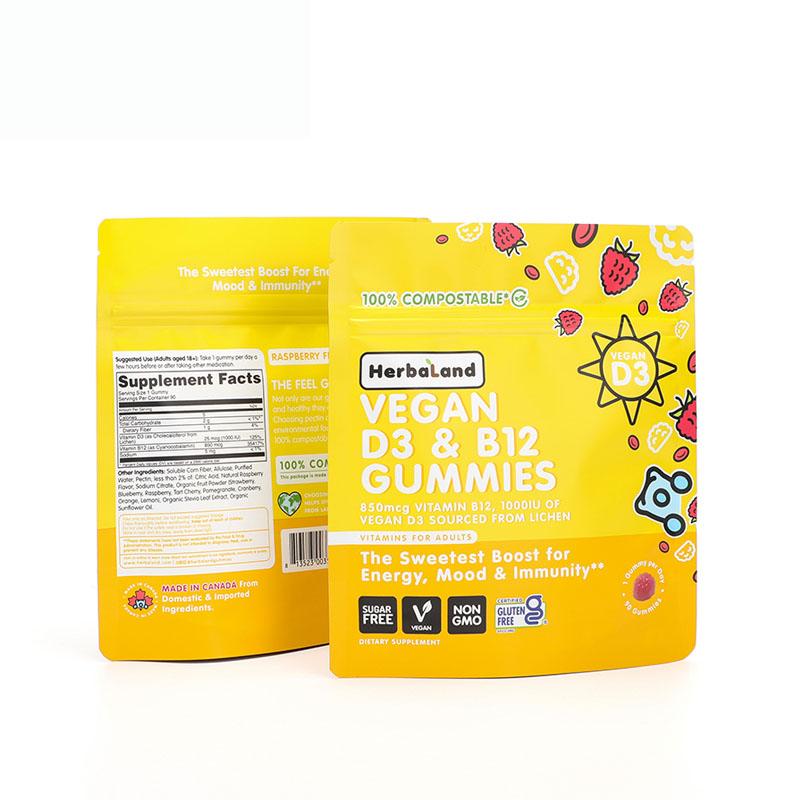
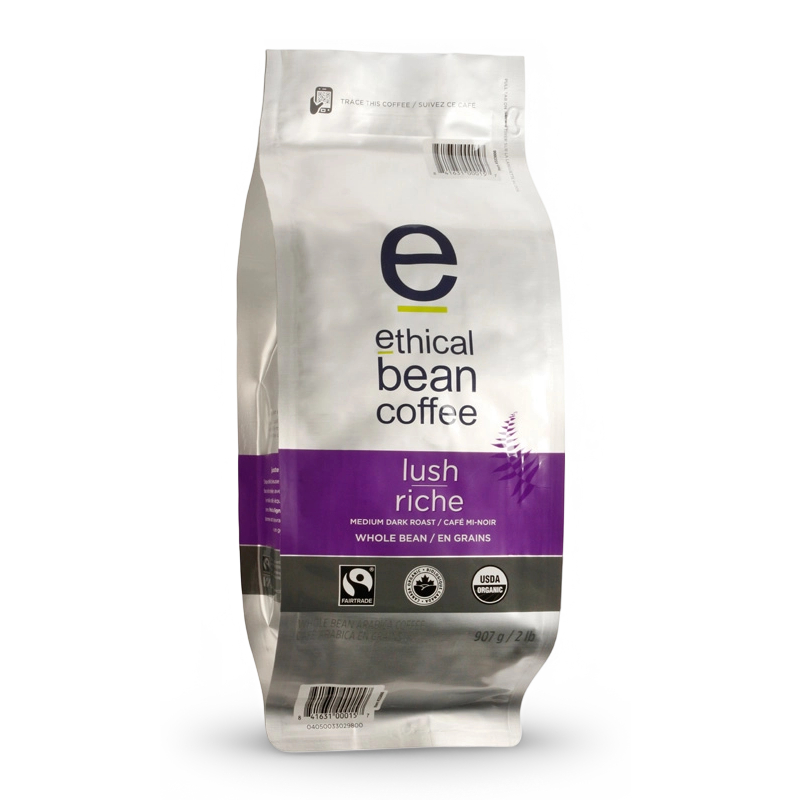
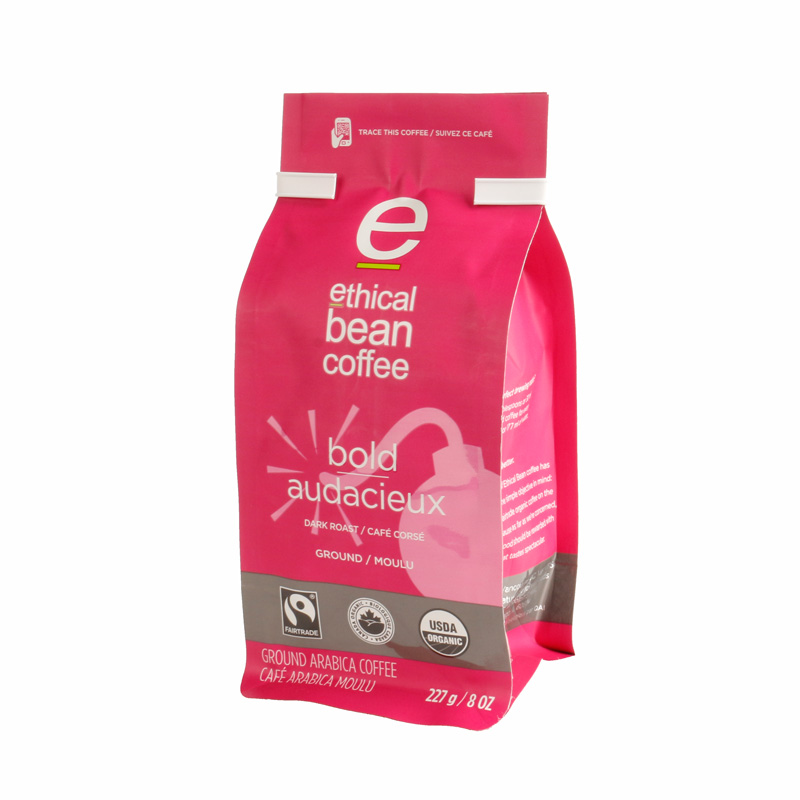
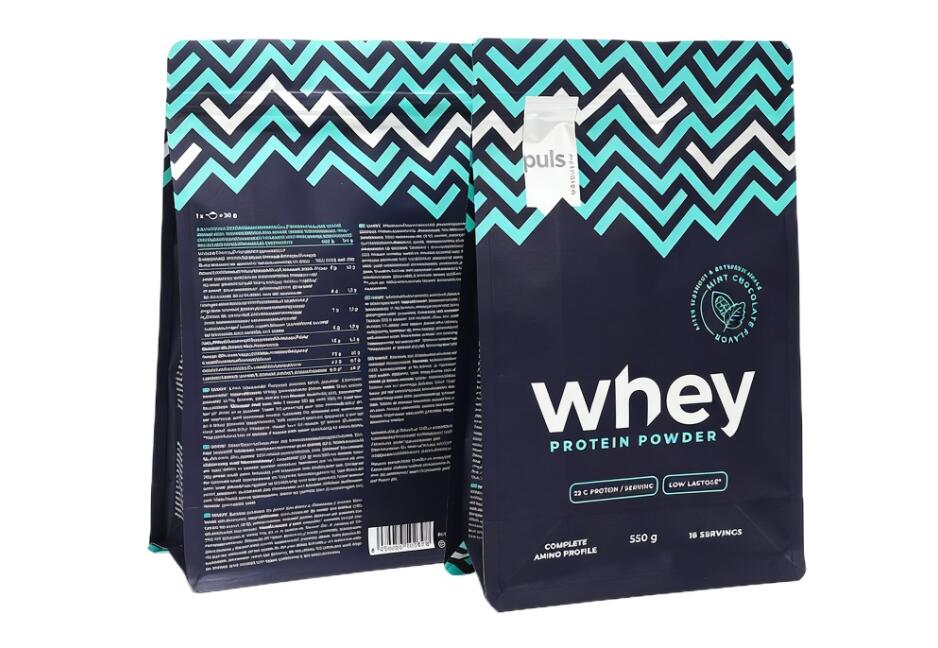
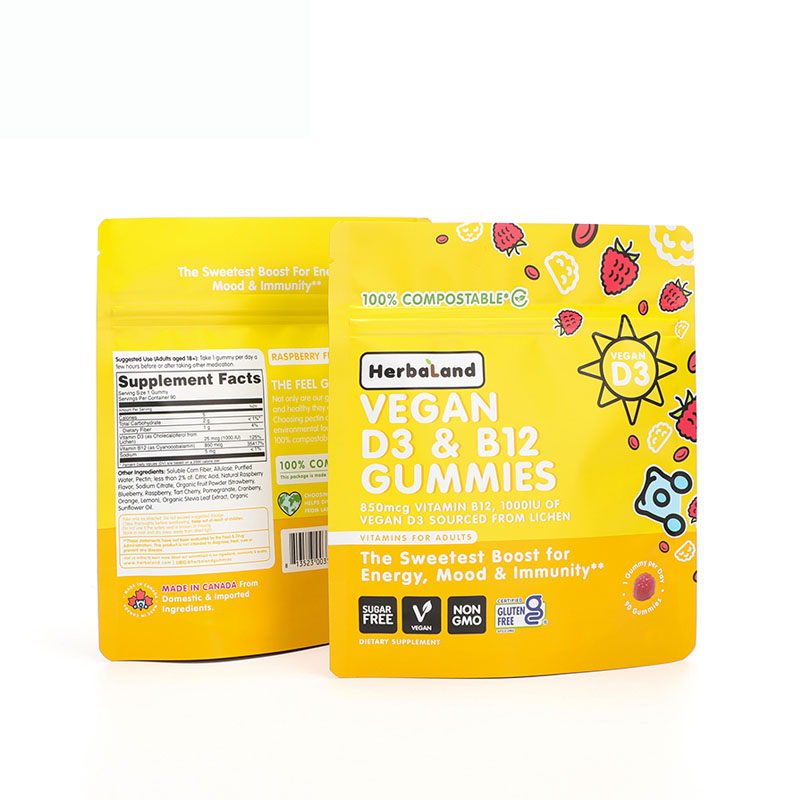
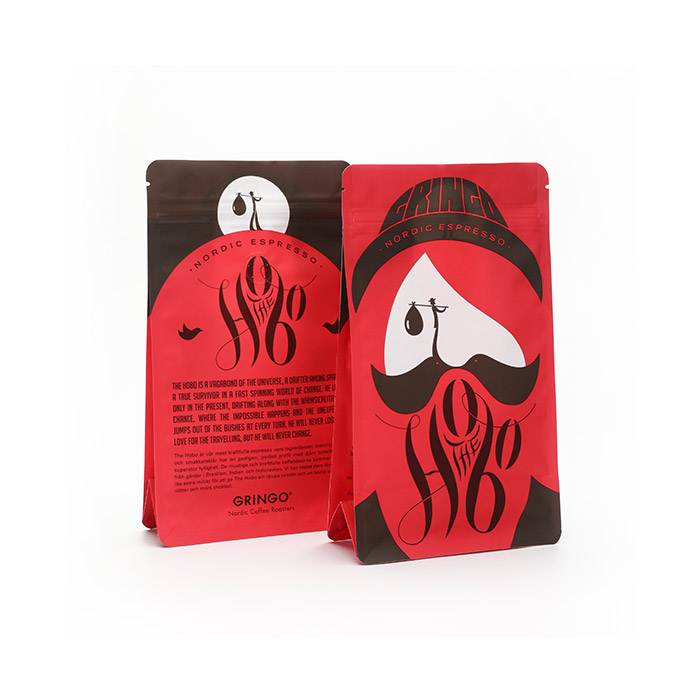
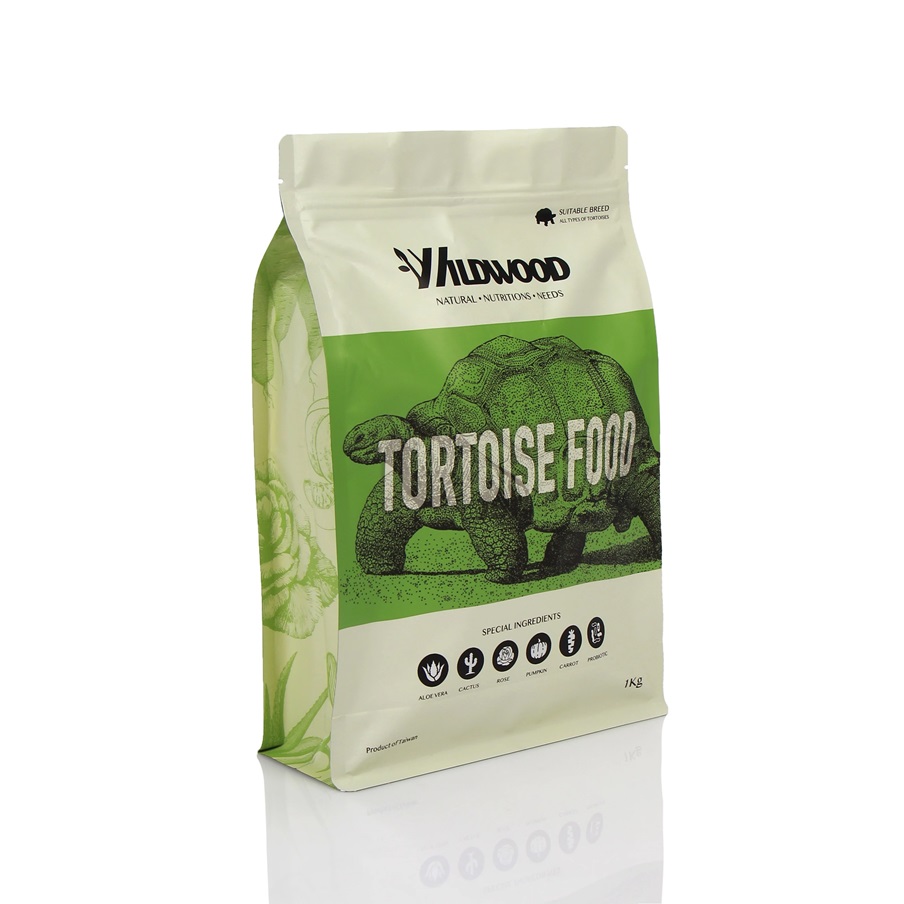
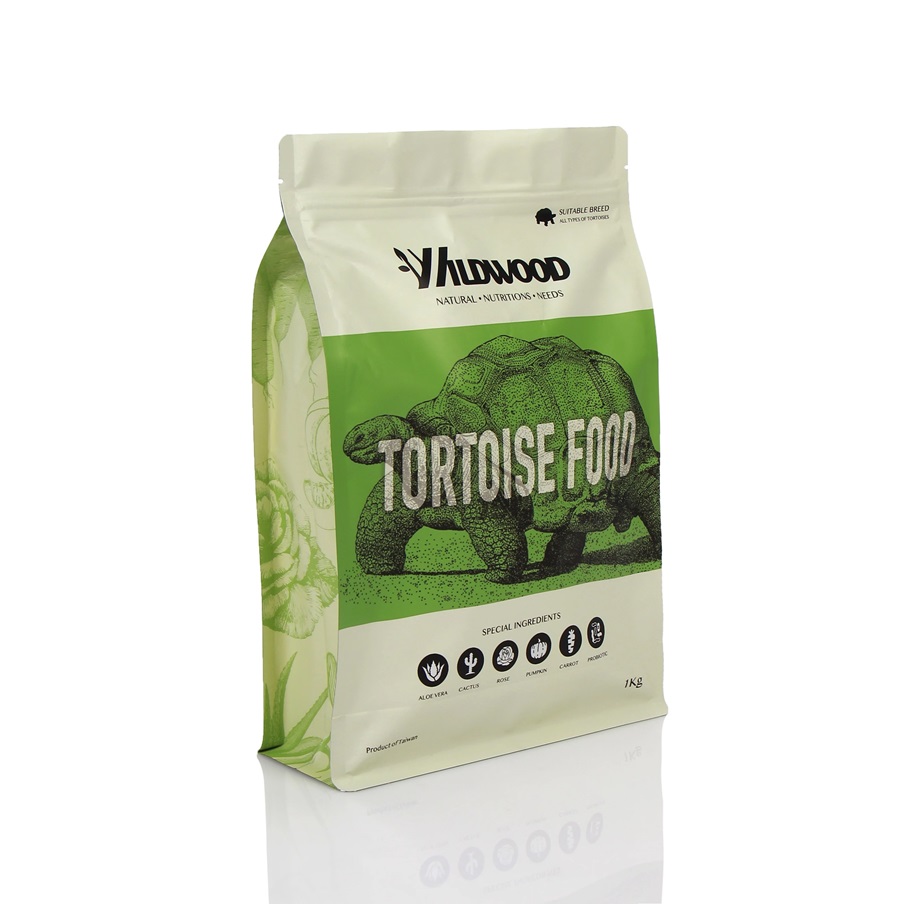
A Pet Food Flat Bottom Bag is special because it is strong and well-designed. These bags have a rectangle-shaped bottom. This helps them stand up straight on shelves. It makes storing and showing the bags easier for you and stores. The bag has strong corner seals and flat sides. This gives it more strength and space for logos.
Here is a table that shows the main parts and what they do:
| Component | Description | Function |
|---|---|---|
| Bottom Base | Rectangular construction | Stability and standing ability |
| Corner Seals | Reinforced edges | Structural integrity |
| Side Panels | Flat surfaces | Display area and strength |
The bag uses layers of material to protect your pet food. These layers keep out water and air. The seals are strong, so spills and leaks are not a problem.
Traditional Packaging Comparison
Flat Bottom Bags are better than old pet food bags in many ways. Older bags can fall over or take up more space. Flat Bottom Bags stand up, even if they are not full. They use less material, which helps you waste less.
| Feature | Flat Bottom Bag | Traditional Packaging |
|---|---|---|
| Stability | Stands upright easily | Can tip over when not full |
| Storage Efficiency | Maximizes space | Rounded bottom takes up more room |
| Branding Area | Five printable panels | Fewer printable panels |
| Protection | Excellent barrier properties | Often less effective |
| Eco-Friendliness | Uses less material, recyclable | Typically more waste |
You get better protection for your pet food. There is more space for logos. You also make a greener choice with a Pet Food Flat Bottom Bag.
Consumer Appeal
You want packaging that is easy to use and carry. Flat Bottom Bags are good for this. Many have handles, zippers, and tear notches. These features help you open, close, and carry your pet food. The bags are light and do not break easily. You do not need to worry if you drop them.
Surveys show most pet owners care about helping the planet. In Europe, 76% of pet owners say being green matters for pet food. 69% care about the packaging too. When you pick recyclable flexible pouches like the Pet Food Flat Bottom Bag, you support brands that care about the earth. This can make you feel more loyal to those brands.
Tip: Pick pet food bags with clear recycling instructions. This makes it easier for you to help the planet.
Benefits of Recyclable Flat Bottom Bags
Sustainability Advantages
You help the earth when you pick a Pet Food Flat Bottom Bag. These bags use materials that can be recycled or composted. Many bags have certifications that prove they are eco-friendly. You can find these certifications on the packaging.
| Certification Type | Certifying Body | Description |
|---|---|---|
| Eco-Certified | TUV, EN13432, FSC | Different groups give certifications for green packaging |
| Material Type | Eco-Certifications |
|---|---|
| FSC-certified kraft paper | EN 13432, ASTM D6400 |
| PLA film lining | EN 13432, ASTM D6400 |
- EN13432 and ASTM D6400 are popular certifications for compostable bags.
- TUV AustriaOK Compost and BPI show the bag meets compost rules.
You see eco-labels on many Pet Food Packaging choices. They help you pick what is good for the planet. Recyclable Flexible Pouches use less material and make less trash. You help keep the earth clean when you choose these bags.
Note: Look for certification symbols on the bag. They tell you the packaging is safe to recycle or compost.
Barrier Protection & Shelf Life
You want your pet’s food to stay fresh longer. A Pet Food Flat Bottom Bag keeps food safe from air and sunlight. The bag blocks oxygen and UV rays. This stops natural fats from going bad. Your pet food lasts longer and stays good.
- Flat Bottom Bags keep water out.
- They stop air from entering.
- They protect food from light.
These features help you waste less food. You do not have to worry about food spoiling fast. Recyclable Flexible Pouches keep food safe and help the planet.
Shelf Impact & Convenience
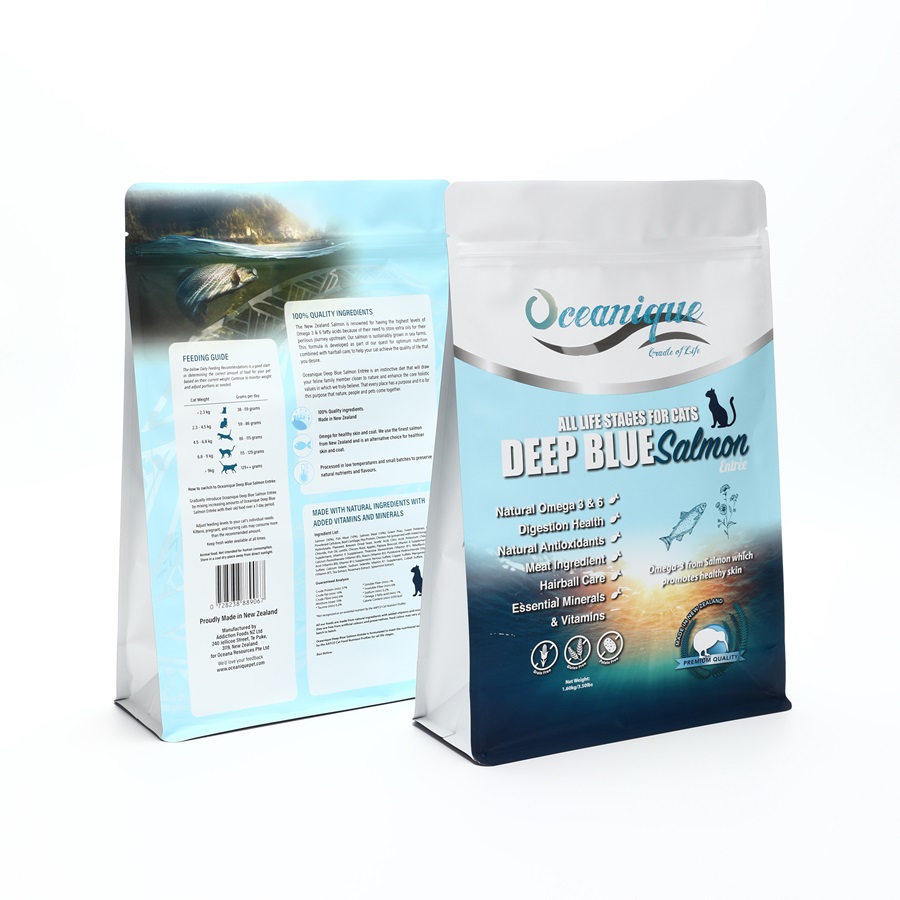
You see Pet Food Flat Bottom Bags standing up in stores. This makes the product easy to spot. You find the brand and details quickly. The bag has five panels for logos and info. Stores use these bags to show products better.
Flat Bottom Bags are easy to use. You open and close the bag with zippers. Easy-tear notches help you open the bag without trouble. You carry the bag easily because it is light and strong.
- Upright design makes products easy to see.
- Many panels help brands share info.
- Resealable closures keep food fresh.
- Easy-tear notches make opening simple.
You enjoy shopping for pet food when the packaging is clear. You also find it easy to store and use at home. Pet Food Packaging with these features builds trust and loyalty.
Tip: Pick bags with resealable closures. You keep your pet’s food fresh and waste less.
Environmental Impact & Consumer Demand
Reducing Packaging Waste
When you pick a Flat Bottom Bag, you help cut waste. Research shows these bags use materials that can be recycled or break down. This means less plastic gets thrown away. Brands now use things like plant-based plastics and recycled paper. These changes follow new rules in North America and Europe. The rules want less waste. Choosing Recyclable Flexible Pouches helps keep the planet clean. It also helps brands meet their green goals.
Pet food brands set goals to use less packaging waste. You see companies:
- Making plans for greener packaging
- Checking how much recycled stuff they use
- Seeing how much waste stays out of landfills
- Cutting down on greenhouse gases
- Using compostable packaging for fresh and frozen foods
Recyclability in the Circular Economy
New eco-friendly paper bags use recycled materials. They need less energy to make and create less waste. These bags are fully recyclable and help the circular economy.
You help the circular economy when you recycle your Pet Food Packaging. Flat Bottom Bags made from one material or recycled stuff fit well in this system. They can be collected and reused to make new things. This keeps materials out of landfills and saves resources.
Clear Recycling Guidance
Many people are not sure how to recycle pet food packaging. You may feel confused about recycling rules. Studies show:
- People do not always know the right way to recycle pet food packaging.
- Clear instructions and education help people recycle better.
- The EPA says only about 32% of things get recycled. This shows many people are confused about recycling.
- Some people try to recycle things that cannot be recycled. This lowers recycling rates.
You can help by picking Pet Food Packaging with clear recycling instructions. Brands that give easy steps make recycling simpler. You can recycle Recyclable Flexible Pouches and Flat Bottom Bags the right way. This small action helps the environment a lot.
Industry Trends & Brand Adoption
Leading Brands’ Initiatives
Many big brands now use better pet food packaging. Nestlé Purina uses flat bottom bags that you can recycle. These bags keep pet food fresh and safe. They also help the earth. Bioflexi is another brand that cares about the planet. It uses recyclable flexible pouches for pet food. Bioflexi tries new materials and designs. These changes make recycling easier for you.
Brands pick these bags because shoppers want easy recycling. You also want your pet’s food to stay safe. Companies listen to what you need. They also follow new government rules. These rules say to use less plastic and more recycled stuff.
Innovations in Bag Design
Flat bottom bags now have many new features. These features help you recycle and keep food safe. Here is a table with some new ideas:
| Innovation Type | Description |
|---|---|
| Recyclable Materials | Use of materials that you can recycle without losing quality. |
| Resealable Closures | Zippers made from the same recyclable material as the bag. |
| WIPF Degassing Valves | One-way valves made from the same polymer, making the whole bag recyclable. |
| Recyclable Tin-Ties | Paper-based ties that do not interfere with recycling. |
| Micro-Perforations | Laser-scored lines for easy opening and strong protection. |
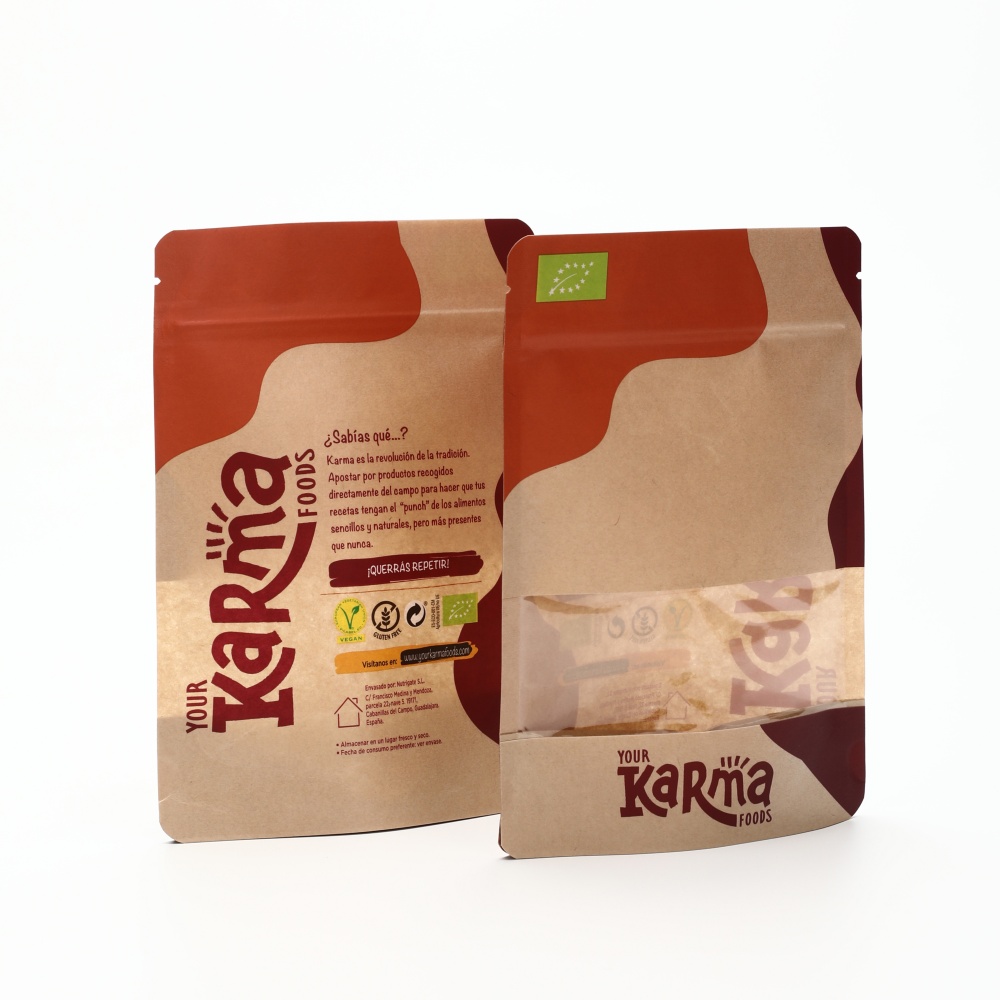
| Die-Cut Windows | Clear sections that let you see the food but keep it fresh. |
| Rounded Corners | Smooth edges that make the bag easy to handle and strong. |
These changes help you a lot. The bags are simple to open and close. You can recycle them more easily. You can also see the food inside before opening.
Why Brands Choose Pet Food Flat Bottom Bags
Brands like flat bottom bags for many reasons. These bags stand up straight on shelves. They hold more food without looking too full. There is a lot of space for logos and details. Brands can add zippers and easy-open notches.
- Flat bottom bags are good for big pet food packs. They look tidy and do not fall over.
- Brands add special features to get your attention.
- The design keeps food fresh and is easy for you to use.
Flat bottom bags do not bulge. They look smooth and nice. You see these bags first when you shop.
More brands now use recyclable flexible pouches and flat bottom bags. This helps the earth and makes shopping easier for you. New rules ask brands to use more recycled stuff and less plastic. The pet food industry now uses paper-based packaging, compostable films, and recyclable mono-material pouches. You help the earth when you pick these bags.
Key Considerations for Brands
Material Choices & Life-Cycle
You have to think about what your Flat Bottom Bag is made of. The kind of plastic or fiber you pick changes how easy it is to recycle. It also changes how much it helps the earth. Here is a table that shows some materials used in Recyclable Flexible Pouches and how they are made:
| Bag Type | Production Process |
|---|---|
| High-density polyethylene (HDPE) | Formed from an HDPE plastic melt, blown and sealed to create a bag. |
| Low-density polyethylene (LDPE) | Formed from an LDPE plastic melt, blown and sealed to create a bag. |
| Non-woven polypropylene (PP) | Made from a molten filament of PP, spun bonded to create a stronger, reusable bag. |
HDPE bags are used a lot and are a standard for checking environmental impact. LDPE bags are different and change how they affect the planet. Non-woven polypropylene bags last longer and you can use them again. This helps their life-cycle score.
You should know that using many materials, like zippers or labels, makes recycling harder. Try to use materials from the same polymer family. This keeps your Pet Food Packaging easy to recycle.
Meeting Recyclability Standards
You want your Flat Bottom Bag to follow recycling rules where you live. Recycling programs are not the same everywhere. Some bags must go to store drop-off spots. Others can go in your home recycling bin. To make sure your Pet Food Packaging gets recycled, you should:
- Use clear recyclability claims based on the plastic type, like PE or PP.
- Make sure the bag keeps food safe for at least 12 months.
- Check for certifications like FDA approval for food contact and ISO standards for quality.
Many people forget to bring bags to drop-off places or get confused by recycling rules. Clear instructions on your Recyclable Flexible Pouches help everyone recycle better.
Honest Environmental Claims
You must always tell the truth about your packaging. If you say your Flat Bottom Bag is good for the earth, you need proof. New laws, like the EU Green Claims Directive, say brands must show data for every green claim. If you make false claims, you can lose trust and get in trouble.
| Risk | Consequence |
|---|---|
| Unproven environmental claims | Fines, legal trouble, and loss of consumer trust |
| Misleading marketing | Damage to your brand’s reputation |
You can build trust by sharing details about your Pet Food Packaging. Tell people where the materials come from and how to recycle them. Working with recycling programs and using clear labels shows you care about the planet.
Tip: Always check your facts and use real certifications. Honest claims make your brand stronger and help the earth.
Many brands now pick Flat Bottom Bags for Pet Food Packaging. These bags are good for the planet and make shopping easier. They use eco-friendly materials. Flat Bottom Bags stand out on store shelves. You get clear recycling instructions. This makes it easy to help the earth.
| Feature | Description |
|---|---|
| Stability | Flat Bottom Bags stay upright. They keep your pet’s food safe. |
| Shelf Appeal | These bags look nice and grab your attention. |
| Eco-Friendly Materials | Many bags use materials you can recycle or that break down. |
- When you recycle Recyclable Flexible Pouches, you help the circular economy.
- You help brands that care about the earth grow stronger.
Pick Pet Food Packaging that helps you and the planet.
FAQ
What makes a Flat Bottom Bag better for Pet Food Packaging?
Flat Bottom Bags stand up straight. They keep your pet food safe. The design uses less material. You get more space for logos and details. Picking Recyclable Flexible Pouches helps the planet.
Can you recycle all Flat Bottom Bags?
Most Flat Bottom Bags can be recycled. Bags made from one material are easier to recycle. Always check the label on your Pet Food Packaging. Make sure your local recycling program accepts it.
How do Recyclable Flexible Pouches help the environment?
Recyclable Flexible Pouches help cut down waste. They use materials that break down or can be reused. You support the circular economy. This keeps landfills cleaner.
Are Flat Bottom Bags safe for storing pet food?
Flat Bottom Bags keep pet food fresh. Strong seals and barrier layers protect against moisture and air. Your pet food lasts longer. You waste less food.
Where can you find recycling instructions for Pet Food Packaging?
You find recycling instructions right on the packaging. Look for symbols or simple steps printed on Flat Bottom Bags or Recyclable Flexible Pouches. Brands often give tips to help you recycle the right way.