How Side Gusset Pouches Compare with Flat Pouches in Packaging Solutions
Choosing between a side gusset pouch and a flat pouch shapes your flexible packaging strategy. You gain more branding space and volume with a side gusset pouch, making it ideal for snacks and lightweight goods. Flat pouches offer superior stability and stronger seals, perfect for sauces or heavier products. Consider this comparison:
|
Feature |
Side Gusset Pouches |
Flat Bottom Pouches |
|---|---|---|
|
Product Protection |
More flexible, holds more volume, ideal for lightweight products |
Superior stability, stronger seals for heavy/liquid products |
|
Branding Opportunities |
More space for colorful branding and logos, eye-catching designs |
Simpler look, suits luxury brands |
|
Cost |
10-15% more to produce, but can reduce shipping costs |
Cheaper to produce, may require larger orders for best pricing |
Smart pouch selection ensures your product stands out, stays fresh, and fits your budget.
Key Takeaways
-
Side gusset pouches offer more branding space and volume, making them ideal for snacks and lightweight goods.
-
Flat bottom pouches provide superior stability and stronger seals, perfect for sauces and heavier products.
-
Choose side gusset pouches for bulk items to maximize shelf presence and reduce shipping costs.
-
Flat pouches create a premium look and are great for high-value products that need strong shelf appeal.
-
Consider your product's weight and moisture sensitivity when selecting between pouch types for optimal protection.
Pouch Types Overview
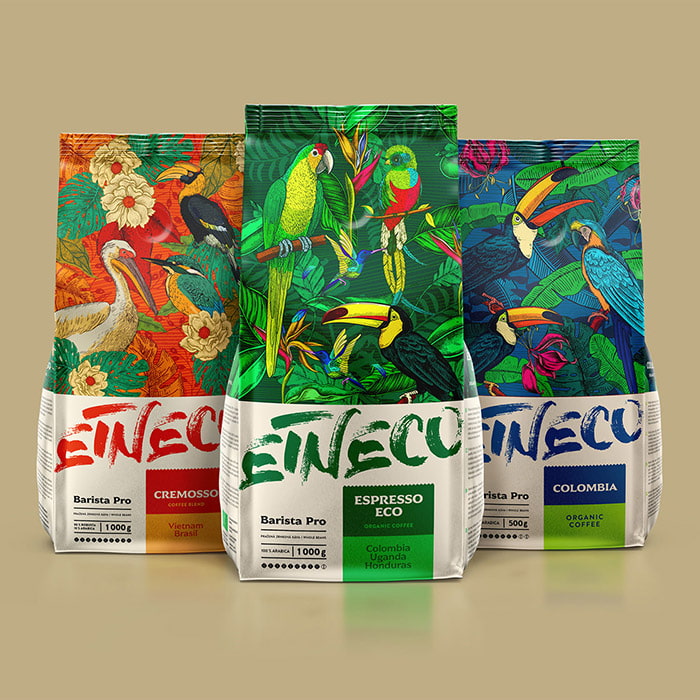
When you evaluate flexible packaging options, you encounter a range of pouch types. Each pouch type offers unique advantages for different products and industries. Understanding the structure and function of side gusset pouches and flat bottom pouches helps you make informed decisions for your packaging needs.
Side Gusset Pouch Features
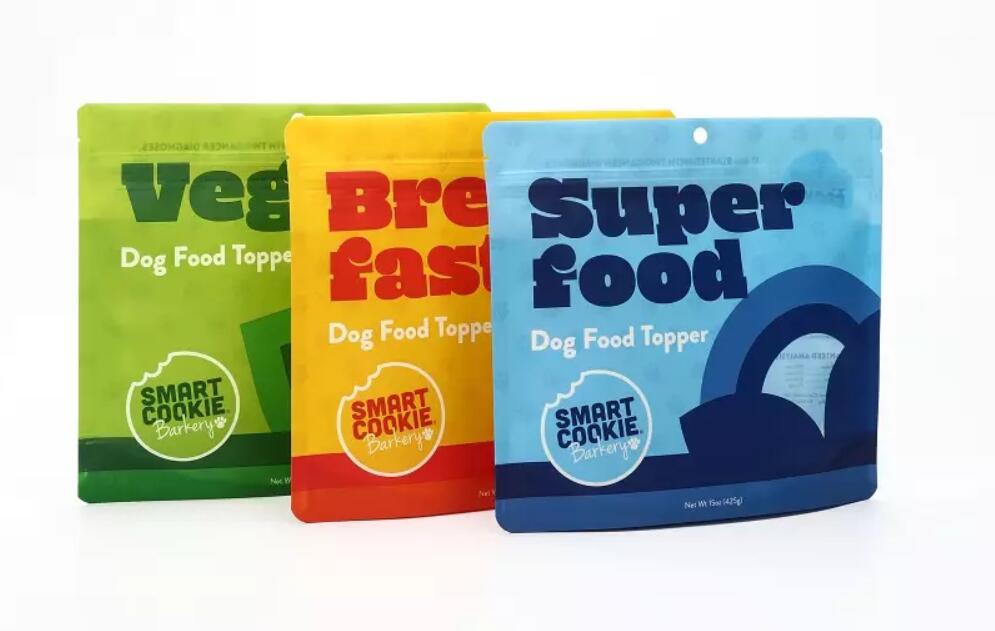
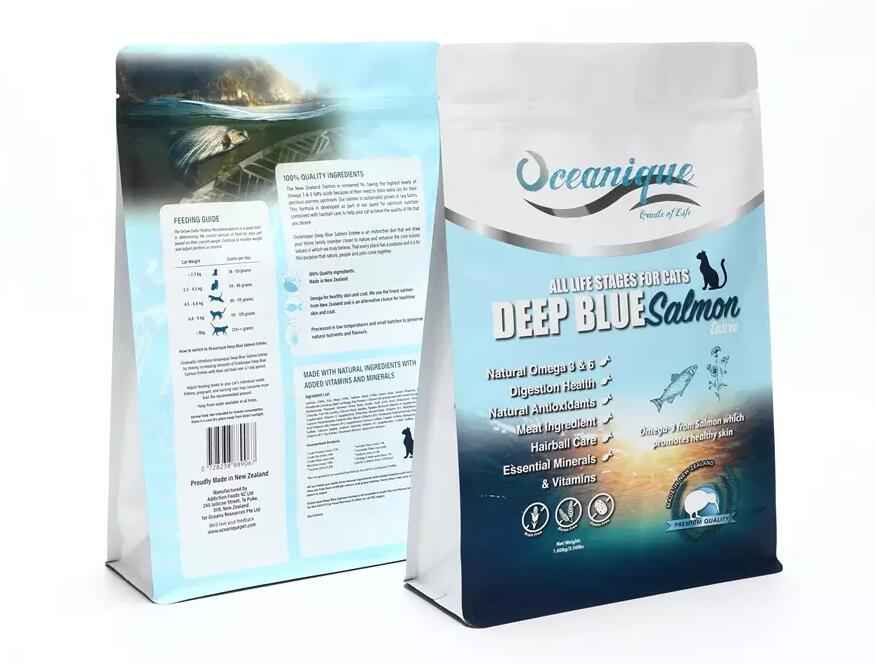
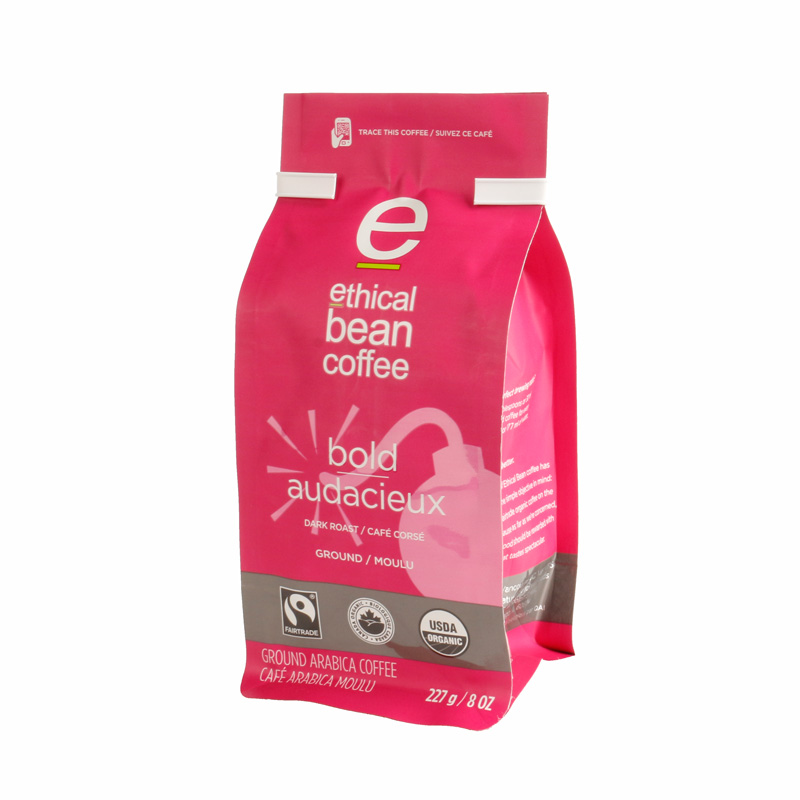
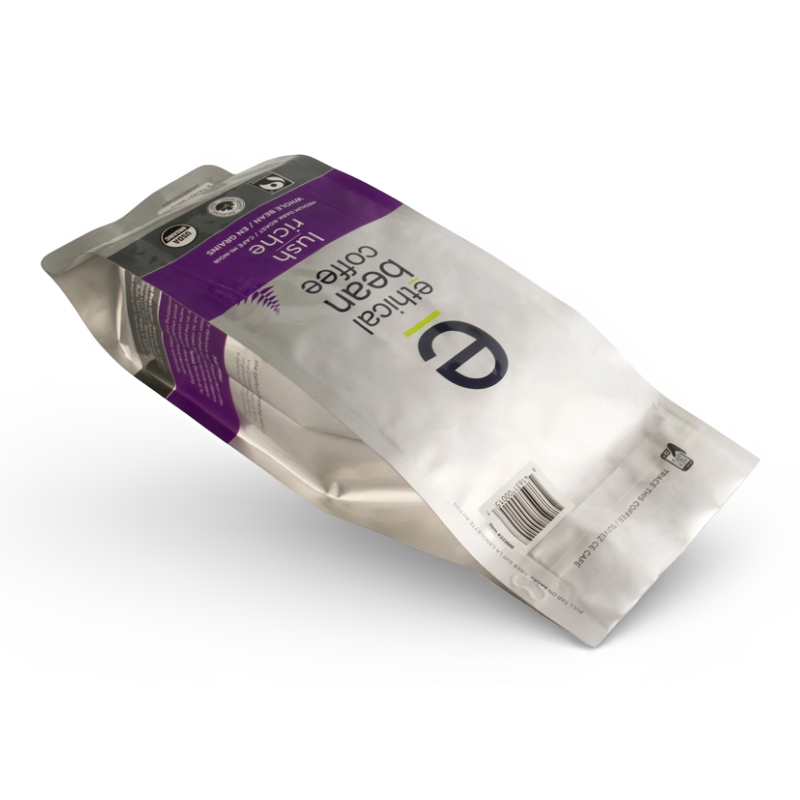
A side gusset pouch expands at the sides, creating extra space for bulkier or heavier items. You often see side gusset pouches in coffee, pet food, and powdered mixes. This pouch type stands out for its ability to maximize shelf space and hold larger volumes without sacrificing stability. The design allows the pouch to sit upright or lay flat, depending on how you fill and seal it.
Tip: If you need to package bulk products or want to reduce shipping costs, side gusset bags provide a cost-effective solution.
You can use side gusset pouches for products that require efficient storage and strong shelf presence. The expanded sides give you more room for branding and product information. Many businesses choose gusset pouches for their versatility in flexible packaging.
Flat Pouch Features
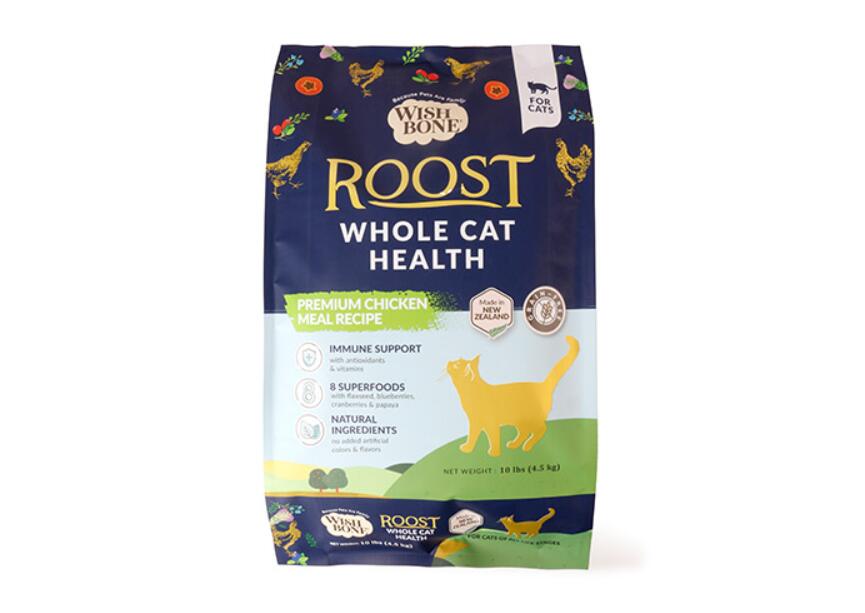
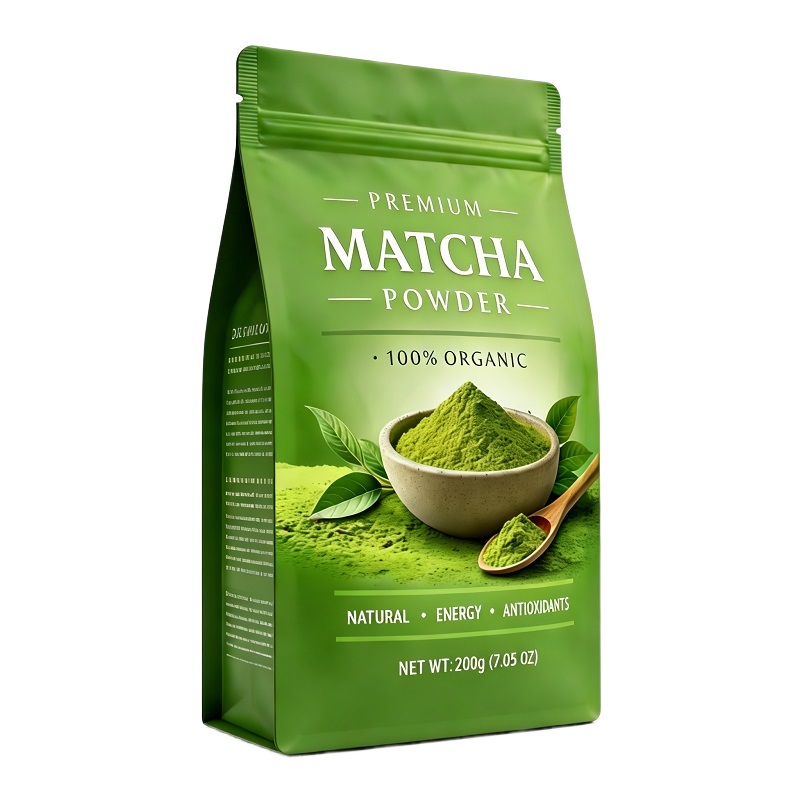
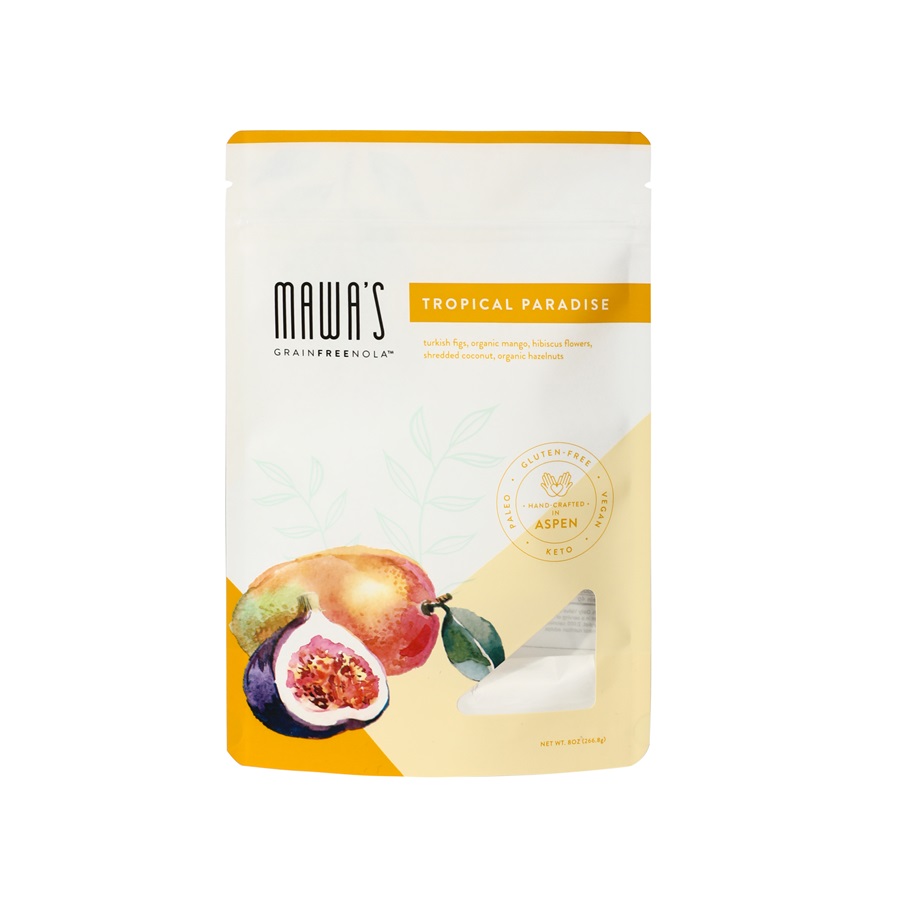
Flat bottom pouches, also known as stand up pouches, feature a stable base that keeps the package upright on shelves. You find these pouches in the coffee, granola, and pet food industries, especially for high-value foodstuffs where presentation matters. The flat base creates a premium look and makes the pouch easy to stack and display.
Flat pouches offer excellent product protection and work well for items that need a strong seal, such as sauces or liquids. You can also consider center seal pouches and side seal pouches for products that require extra durability. Flat bottom pouches help you save shelf space and enhance your product’s visual appeal.
When you compare these pouch types, think about your product’s volume, shelf presence, and the image you want to project. The right packaging choice supports your brand and protects your product from production to point of sale.
Design & Structure
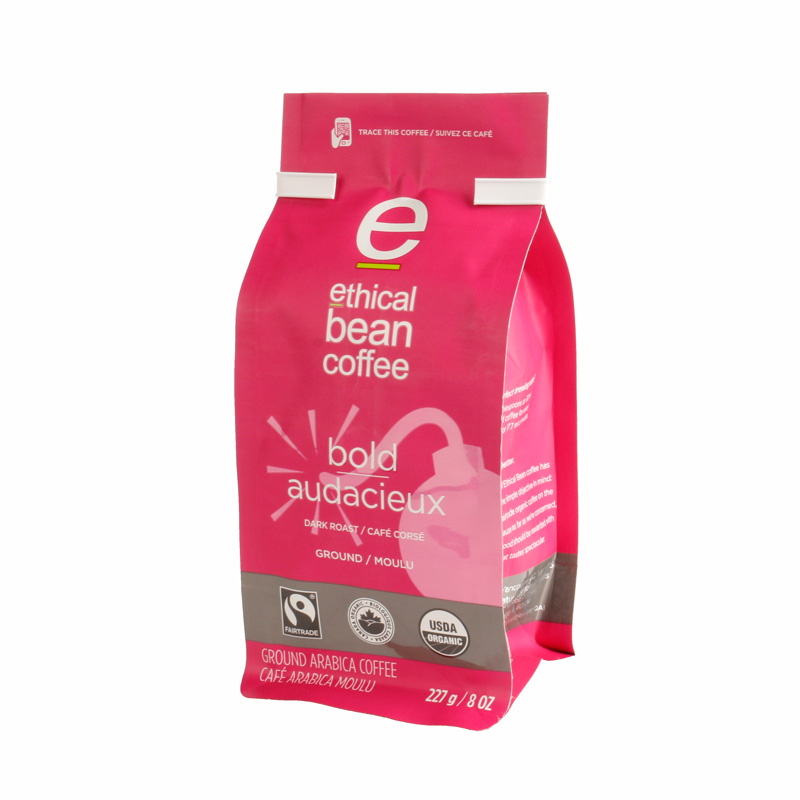
Shape and Construction
You need to understand the physical differences between side gusset pouches and flat pouches. Side gusset pouches expand at the sides, which allows you to pack more product without increasing the footprint on the shelf. This design works well for products that require flexibility in volume, such as coffee beans or pet food. The gussets provide extra support, so the pouch stands upright or lays flat, depending on your filling method.
Flat pouches, often called stand-up pouches, feature a stable base. This base keeps your product upright and creates a premium look on retail shelves. You see this structure in packaging for granola, snacks, and high-value foods. The flat bottom makes stacking and display easy, which helps you maximize shelf presence. You can choose from different seal types, such as three-side seals or center seals, to match your product’s needs.
Tip: If you want your product to stand out on crowded shelves, focus on the pouch’s shape and construction. A well-designed pouch attracts attention and supports your brand image.
Material Choices
Selecting the right material impacts both your product’s shelf life and your sustainability goals. You have several options, each with unique benefits:
|
Material Type |
Impact on Shelf Life and Sustainability |
|---|---|
|
Plastic (Polyethylene, PP, PET) |
Excellent moisture and puncture resistance, ideal for dry goods and moisture-sensitive items. |
|
Paper-based gusset bags |
Natural, recyclable appearance, often lined for moisture resistance, suitable for eco-conscious brands. |
|
Biodegradable films |
Break down in composting facilities, offering plastic-like performance while supporting sustainability. |
|
Laminated films |
Enhanced barrier properties against oxygen and light, ideal for perishables like coffee and spices. |
|
Recyclable materials |
PE or PP films accepted in recycling programs; paper-based bags are recyclable if uncoated. |
|
Compostable certifications |
Bags certified by BPI, OK Compost, or TÜV ensure proper breakdown under composting conditions. |
|
Reduced plastic use |
Thinner gauges or hybrid designs lower environmental impact. |
|
Carbon footprint |
Some suppliers offer carbon-neutral production or renewable energy use in manufacturing. |
You often see side gusset pouches made from mono-materials like mono PE or mono PP. These materials simplify recycling and support circular economy goals. Compostable options use bio-based materials, such as corn-based films, which break down in industrial composting facilities. Biodegradable combinations, like Kraft/PLA, offer a natural look and eco-friendly disposal.
-
Mono-materials improve recyclability.
-
Compostable pouches provide a green alternative but need special composting.
-
Laminated films protect sensitive products but may limit recyclability.
You should match your material choice to your product’s shelf life, branding, and sustainability targets.
Capacity & Shelf Space
Product Volume
You need to consider how much product each pouch type can hold. Side gusset bags give you more flexibility with volume. The sides expand, so you can pack more product without increasing the footprint. This feature works well for bulk items like coffee, pet food, or grains. You can also use gusset pouches for products that need efficient storage and shipping. Flat bottom pouches offer a stable base, which helps you fill them with heavier or denser products. You see these used for premium snacks, granola, or specialty foods. Stand up pouches, including center seal pouches and side seal pouches, provide good options for smaller quantities or single-serve items. When you choose a pouch type, think about your product’s density and how much you want to display on the shelf.
Tip: If you want to maximize shelf life and reduce waste, match your packaging size to your product volume. Oversized packaging can lead to higher costs and less efficient storage.
Shelf Presence
Shelf presence matters in retail environments. You want your product to stand out and attract buyers. Flat bottom pouches create a premium look because they stand upright and stack easily. This design gives you a clean, organized appearance on the shelf. Side gusset bags also offer strong shelf presence, especially for larger products. The expanded sides allow for more branding space, which helps your product catch the eye. Flexible packaging lets you customize the shape and size to fit your brand’s needs. When you compare different packaging options, consider how much space your product will take up and how it will look next to competitors. The right pouch type can boost your brand’s visibility and drive sales.
Note: Retailers often prefer packaging that maximizes shelf space and minimizes clutter. Choose a design that balances volume, appearance, and ease of handling.
Branding & Appeal
Print Area
You want your product to stand out on the shelf. The print area of your packaging plays a major role in how customers perceive your brand. Side gusset pouches give you a significant advantage because they offer a large printable area on all sides. This design lets you display bold graphics, detailed product information, and eye-catching logos. You can use every surface to tell your brand story and attract attention.
-
Side gusset bags provide more space for branding elements than flat bottom pouches.
-
You can add colorful designs, product windows, and promotional messages on the expanded sides.
-
This pouch type helps you maximize shelf space and visibility in busy retail environments.
Flat bottom pouches, including stand up pouches, offer a clean and premium look. You get adequate print space on the front and back, which works well for minimalist or luxury branding. However, you have less room for detailed graphics compared to gusset pouches. If you want a simple, elegant appearance, flat bottom pouches deliver that style.
Note: The right print area supports your marketing goals and helps your packaging compete on crowded shelves.
Consumer Perception
Your choice of packaging influences how customers view your product. Side gusset pouches often signal value and practicality. Shoppers associate these with bulk items or products that offer more for the price. The larger print area also allows you to highlight features like shelf life, sustainability, or special ingredients.
Flat bottom pouches create a sense of quality and sophistication. Many brands use these for premium snacks, specialty foods, or products that need a strong shelf presence. The upright shape and stable base make your product look organized and easy to handle.
Flexible packaging, such as center seal pouches and side seal pouches, gives you options to match your brand image. You can choose materials and finishes that reinforce your message. When you select the right pouch type, you build trust and encourage repeat purchases.
Tip: Use your packaging to communicate value, quality, and brand personality. The right design can turn first-time buyers into loyal customers.
Sealing & Closure
Seal Types
You must select the right seal type to protect your product and maintain freshness. Side gusset pouches often feature a single zipper seal at the top. This seal lets you open and reseal the pouch easily, which works well for snacks or products you use multiple times. Flat bottom pouches use stronger seals, such as K-seal or plow bottom closures. These seals create an airtight barrier, which is essential for liquids or items that spoil quickly. You see flat bottom pouches in high-value foodstuffs like coffee, granola, and pet food. These products require both strong presentation and reliable performance.
-
Side gusset pouches: Single zipper seal for easy access and resealing.
-
Flat bottom pouches: K-seal or plow bottom closures for airtight protection.
Note: Choosing the right seal type ensures your packaging keeps products fresh and safe from contamination.
Resealability
Resealability adds convenience for your customers. Both side gusset pouches and flat bottom pouches can include features like zippers or spouts. These options allow you to reseal the pouch after opening, which helps maintain product freshness. You do not see a significant difference in resealability between the two pouch types. Both offer similar options that enhance consumer satisfaction.
-
Zipper seals: Easy to open and close, ideal for snacks and dry goods.
-
Spouts: Useful for liquids, allowing controlled pouring and resealing.
When you choose packaging with resealable features, you improve the user experience. Customers appreciate the ability to keep products fresh and reduce waste. Resealability also supports your brand by showing attention to consumer needs.
Tip: Always consider resealability when selecting packaging for products that require multiple uses or extended shelf life.
Cost Factors
Manufacturing Efficiency
You need to consider manufacturing efficiency when choosing between side gusset pouches and flat pouches. Side gusset pouches often require more steps during production. The expanded sides and additional seals add complexity. This can increase your lead time and raise your costs. Flat pouches use a simpler structure. Manufacturers can produce these pouches faster and with less waste. You benefit from lower minimum order quantities and shorter turnaround times.
Tip: If you want to streamline your packaging process, flat pouches offer a cost-effective solution for many products.
You should also evaluate the type of machinery your supplier uses. Some machines handle both pouch types, but others specialize in one. Ask your supplier about their capabilities before you make a decision.
Shipping & Storage
Shipping and storage costs impact your bottom line. Side gusset pouches hold more product in a smaller footprint. You can fit more units per box or pallet. This reduces your shipping expenses and helps you optimize warehouse space. Flat pouches, while efficient, may not pack as tightly for bulk items. You might need more boxes or pallets for the same volume.
Here is a quick comparison:
|
Factor |
Side Gusset Pouch |
Flat Pouch |
|---|---|---|
|
Units per carton |
Higher |
Lower |
|
Pallet efficiency |
Excellent |
Good |
|
Storage flexibility |
High |
Moderate |
You should analyze your distribution model. If you ship large quantities or need to save on freight, side gusset pouches provide a strong advantage. For smaller runs or premium products, flat pouches may still meet your packaging goals.
Product Suitability
Best Uses for Side Gusset Pouch
You should consider a side gusset pouch when you need to package products that demand both capacity and presentation. This pouch type features expandable side panels that allow the bag to stand upright when filled. You gain a significant advantage in shelf presence compared to flat alternatives. The design maximizes storage capacity and maintains shape, which benefits you when packaging coffee, pet food, or bulk dry goods.
-
You can use side gusset pouches for coffee because they preserve freshness with high-barrier protection against moisture, oxygen, and light. Many suppliers offer customization options like degassing valves, which are essential for roasted coffee.
-
Pet food brands often choose side gusset bags. The structural stability and ample storage make them ideal for large quantities. You can display more product information and branding on the expanded sides.
-
Bulk dry goods, such as grains, rice, or powdered mixes, fit well in this packaging. The pouch stands upright, supports better presentation, and optimizes storage in warehouses and on retail shelves.
Tip: If you want to reduce shipping costs and maximize warehouse efficiency, side gusset pouches provide excellent structural stability and packaging capacity for large volumes.
You also benefit from the versatility of gusset pouches in flexible packaging. The design supports a wide range of fill weights and product types. You can enhance shelf life and maintain product quality with the right material selection.
Best Uses for Flat Pouch
You should select flat bottom pouches when you need packaging that offers excellent shelf stability and a premium look. This pouch type works well for products that require strong barrier protection and a clean, organized appearance on the shelf. You can use flat bottom pouches for pet food, coffee, tea, cereals, and grains. The structure accommodates a wide range of fill weights, from small single-serve packs to larger bulk formats.
-
Lay-flat pouches excel for smaller and single-serve products. You can package liquids, powders, and solids efficiently. Examples include ketchup, sauces, and ready-to-eat snacks in the food industry.
-
In cosmetics, you can use flat pouches for beauty masks, lotions, and travel-sized products. The three-side seal design with elegant finishes appeals to consumers seeking convenience and style.
-
Pharmaceutical companies rely on flat pouches to protect sensitive items like powders, capsules, and tablets. High-barrier materials ensure product integrity and extend shelf life.
Note: If you want to showcase your product with expanded branding space and strong shelf presence, flat bottom pouches and stand up pouches deliver a premium effect.
You can also consider center seal pouches and side seal pouches for products that need extra durability or unique presentation. Flexible packaging options allow you to match your pouch type to your product’s requirements and your brand’s image.
Choosing Your Pouch
Key Considerations
You face many factors when making pouch selection decisions for your products. Start by evaluating the design and structure. Side gusset bags give you more space for branding and product information. Flat bottom pouches offer stability and a premium look. Consider the product type and weight. Gusset pouches work well for lightweight, bulky items. Flat bottom pouches suit heavier or liquid products.
Think about capacity. Side gusset bags can hold up to 30% more product than flat bottom pouches of the same height. Shipping and shelf display needs also matter. Side gusset bags reduce shipping costs due to their compact nature. Flat bottom pouches maintain a neat appearance on shelves.
Branding and visual appeal play a role in flexible packaging. Side gusset bags allow for more branding opportunities. Sealing methods differ. Side gusset bags often feature resealable zippers. Flat bottom pouches typically use stronger airtight seals. Cost implications and minimum order quantities can influence your pouch selection. Material suitability is important. Both pouch types can be made from eco-friendly and FDA-approved materials.
Tip: Review your packaging requirements, production needs, and financial considerations. Assess pouch size, material, sealing type, and compatibility with recyclable films.
Matching Product Needs
You must match your pouch type to your product’s characteristics. Consider weight, moisture sensitivity, and shelf life. The table below helps you compare options:
|
Product Characteristic |
Side Gusset Bags |
Flat Bottom Pouches |
|---|---|---|
|
Weight |
Suitable for heavier products |
More suitable for lighter products |
|
Moisture Sensitivity |
Excellent barrier properties for moisture |
Less protection against moisture |
|
Shelf Life |
Extends shelf life for moisture-sensitive items |
Limited shelf life for sensitive items |
Side gusset bags use materials like PET, PE, or PP that provide excellent moisture and oxygen barriers. These materials help you protect sensitive products and extend shelf life. Flat bottom pouches may use Kraft paper, which offers moderate protection and works well for dry goods.
You should also consider stand up pouches, center seal pouches, and side seal pouches for specific needs. Flexible packaging gives you options for branding, capacity, and product protection. Review your production requirements, such as pouch size, changeover frequency, and factory space. Analyze financial factors like labor savings, product waste reduction, and long-term maintenance costs.
Note: Consult packaging experts if you need guidance. Assess your product’s needs, branding goals, and operational requirements to make the best pouch selection.
You gain distinct advantages by choosing the right pouch type for your packaging. Side gusset bags excel for bulk and heavy products, offering higher capacity and efficient transport. Flat bottom pouches provide premium shelf appeal and stability, making them ideal for high-value items. Consider the table below to compare pouch strengths:
|
Pouch Type |
Best For |
Key Advantages |
|---|---|---|
|
Gusset pouches |
Bulk, heavy products |
High capacity, better weight distribution |
|
Flat bottom pouches |
Premium, high-value products |
Stability, enhanced branding, shelf presence |
|
Stand up pouches |
Snacks, convenience items |
Easy display, resealability |
|
Center seal pouches |
Durable, compact packaging |
Strong seams, efficient for small items |
|
Side seal pouches |
Liquids, leak-sensitive items |
Leak resistance, secure seams |
Evaluate your packaging needs, shelf life requirements, and branding goals. Consult with experts to optimize your packaging strategy and ensure your products stand out.
FAQ
What products work best with side gusset pouches?
You should use side gusset pouches for coffee, pet food, grains, and bulk dry goods. These pouches handle large volumes and provide strong shelf presence. You can also choose them for products that require efficient shipping and storage.
Are flat pouches suitable for liquids?
Yes, you can package liquids in flat pouches. Choose high-barrier materials and strong seals for sauces, soups, or beverages. Flat pouches with spouts offer easy pouring and resealing.
How do I choose between side gusset and flat pouches?
Consider your product’s weight, volume, and branding needs. Side gusset pouches suit bulk items and maximize capacity. Flat pouches provide a premium look and work well for smaller or high-value products.
Can I use eco-friendly materials for both pouch types?
|
Pouch Type |
Recyclable |
Compostable |
Paper-Based |
|---|---|---|---|
|
Side Gusset |
✅ |
✅ |
✅ |
|
Flat Pouch |
✅ |
✅ |
✅ |
You can select sustainable materials for either pouch type. Ask your supplier about available options.
What printing options do I have for branding?
You can choose digital, flexographic, or rotogravure printing. Each method supports vibrant colors and detailed graphics. Discuss your branding goals with your packaging provider for the best results.