JL3 Tape Wishes You a Happy New Year
Dear friends
JL3 Tape wishes you a Happy New Year! May the coming year bring new happiness, new goals, and new achievements to your life.
Dear friends
JL3 Tape wishes you a Happy New Year! May the coming year bring new happiness, new goals, and new achievements to your life.
1.Efficiency: Electric models allow the shipping team to work faster.
2.Functionality: Electric models have more features than manual models.
3.Maintenance: Manual models are simpler, thus requiring less maintenance.
4.Power Supply: Obviously, your packing station must have a power source to use an electric tape dispenser.
Once you have considered these attributes, you can begin exploring the features of appropriate manual or electric tape dispensers.
Manual Tape Dispensers – KN166 and KN266 Series
If you decide to use a manual tape dispenser, your decision will be easier. We offer two manual models: the pull-type KN-166 and the manual KN-266.
KN-166 Cutter Operation:
Fill the Water Box: First, fill the water box with 4/5 of its capacity with water.
Load the Tape Roll: Unroll the water-activated kraft paper tape with the adhesive side facing down and the end facing forward into the tape compartment. Adjust the screw rod to the appropriate position according to the tape roll width to fix the tape roll.
Feed and Cut the Tape: Pass the front end of the tape through the channel between the pressure plate cutter and the water brush box. Press the top of the pressure plate cutter with your left hand and pull the front end of the tape with your right hand to the desired length. Then, gently lift up to complete the water activation and cutting of the tape.
KN-266 Cutter Operation:
Water System Filling: Remove the water tank from the device, fill it with 4/5 of its capacity with water, and reinstall it. Wait for the water in the tank to automatically flow into the water trough to the appropriate height.
Load the Tape Roll: Open the front and rear covers of the device and temporarily remove the pressure plate from under the drive pressure roller. Unroll the water-activated kraft paper tape with the adhesive side down and place it on the two rollers in the tape compartment. Pull the tape end back through the feed compartment guide roller with the adhesive side down, and place it under the pressure roller. Finally, reinstall the pressure plate.
Adjust the Water Pressure Plate Weight: Ensure the two brushes are wet and parallel to the exit plate. If using reinforced water-activated kraft paper tape, install the water pressure plate weight (initially fixed to the bottom plate on one side of the tape outlet) into the cylinder on the water pressure plate to ensure even wetting. For non-reinforced tape, determine if the weight is needed based on tape thickness for optimal wetting.
Set Cutting Length and Start Cutting: Determine the desired tape length, refer to the values on the length dial, and gently pull up the length clamp spring to move it to the specific length position. Quickly pull the handle on the length dial forward to the position of the length clamp spring and release to complete a preset length cut.
By following these detailed steps, you can efficiently use the manual tape dispensers KN-166 and KN-266 for your packaging needs.
Electric Gummed Tape Dispensers – KN366 SeriesIf you decide to use an electric tape dispenser, your decision will be easier. We offer four models in the 366 series: the standard heated KN-366H, the UL-certified KN-366HP, the powered KN-366BHP, and the KN-366HL, which can use larger tape rolls.
366 Series Electric Tape Dispensers
These devices are primarily used as specialized electric tools for sealing boxes with water-activated kraft paper tape. They can quickly complete the two actions of wetting and cutting the tape to a set length in one go, greatly improving sealing efficiency and promoting the use of water-activated kraft paper tape as an eco-friendly option in packaging. Compared to other similar devices, the 366 series has the following major advantages:
Smart Sensing Cutter:
This globally pioneering smart sensing cutter features an intelligent CNC interface and offers both manual button cutting mode and smart sensing & automatic cutting mode. In the smart sensing & automatic cutting mode, you can choose between sensing cutting or automatic cutting.
Wide Voltage Compatibility:
It can automatically switch between AC100V~240V, making it suitable for international voltage standards.
Multiple Cutting Lengths:
In manual mode, you can set 12 different cutting lengths to meet various sealing needs, reducing the frequency of specification changes and downtime.
Built-in Battery (KN-366BHP):
The KN-366BHP model includes a high-performance, large-capacity lithium battery, allowing it to operate normally even without a power source or during temporary power outages, with a maximum working time of up to 8 hours
.
Large Tape Compartment (KN-366HL):
It features a large tape compartment structure, accommodating tape rolls with a diameter ≤ 300mm, and is compatible with three different tape core sizes: 38mm, 48mm, and 76mm.
Adjustable Wetting Pressure Plate Weight:
Equipped with a movable wetting pressure plate weight (initially fixed to the base plate on one side of the tape outlet), allowing users to adjust the tape's wetting uniformity based on the thickness of the water-activated kraft paper tape used. It is suitable for both reinforced and non-reinforced water-activated kraft paper tapes.
Summary
This series of cutters is safe, efficient, convenient, and eco-friendly, featuring leading-edge design and user-friendliness. It is currently the world's leading water-activated kraft paper tape cutter, aiming to provide you with a unique user experience.
Options for Various Shipping Environments
No matter what items you are shipping and how often, there is a tape dispenser suitable for you. The complete list of manual and electric dispensers can be found on our website.
Kraft Paper Tape is a pressure sensitive paper tape that is stronger than the standard masking tape. It requires no water or use of a hand-held dispenser to apply.
Unlike water-activated “Gummed” tape, our Kraft Paper tape is a unique blend of paper backing and pressure sensitive natural and synthetic adhesives that adhere to a given surface when light pressure is applied.
To help identify the best tape to meet your needs, let’s take a closer look at some of our premium Kraft Paper tapes and their applications.



Here's a concise guide on how to use water-activated gum paper tape:
Prepare your package: Ensure that the surface you're sealing is clean and dry.
Measure and cut the tape: Cut a piece of water-activated gum paper tape to the desired length using scissors or a tape dispenser.
Activate the adhesive: Use a water-activated tape dispenser or a sponge to wet the adhesive side of the tape. Apply enough water to thoroughly saturate the adhesive.
Apply the tape: Place the wet tape onto the package surface, pressing firmly to ensure proper adhesion. Smooth out any wrinkles or air bubbles for a secure seal.
Activate the adhesive (optional): For added security, you can run a wet sponge or brush along the edges of the tape once it's applied to further activate the adhesive.
Allow drying time: Let the taped package air dry for a few minutes to allow the adhesive to fully bond with the surface.
Finished: Your package is now securely sealed with water-activated gum paper tape, ready for shipping or storage.
Remember, water-activated gum paper tape offers a strong and secure seal, making it ideal for packaging applications.

Kraft Paper Tape: The Versatile, Eco-friendly Packaging Solution
Kraft paper tape is a time-tested and eco-friendly packaging material, offering a range of benefits for a variety of applications.
Strong and Durable: Made from high-quality kraft paper, this tape is sturdy and durable, able to withstand the rigors of shipping and handling. The water-activated adhesive used in its construction creates a strong bond, ensuring that packages remain secure during transit.
Biodegradable and Recyclable: In contrast to traditional plastic tape, kraft paper tape is biodegradable and can be recycled, making it an environmentally responsible choice for businesses.
Multiple Uses: Kraft paper tape is not just limited to shipping and packaging applications. It is also commonly used in crafting projects, as its natural look and feel lend themselves to creating rustic and vintage designs. Additionally, it provides an excellent way to add branding to your packaging, with the ability to be printed with custom designs, logos, or messages for a unique and professional look.
Superior Quality: Our kraft paper tape is made from the finest kraft paper and features a water-activated adhesive for a strong hold, ensuring your packages remain secure during transit.
Eco-friendly and sustainable, kraft paper tape offers a great solution for all your packaging needs. Whether you're shipping products, branding your wares, or simply protecting your items during transportation, kraft paper tape is an effective and environmentally responsible choice.
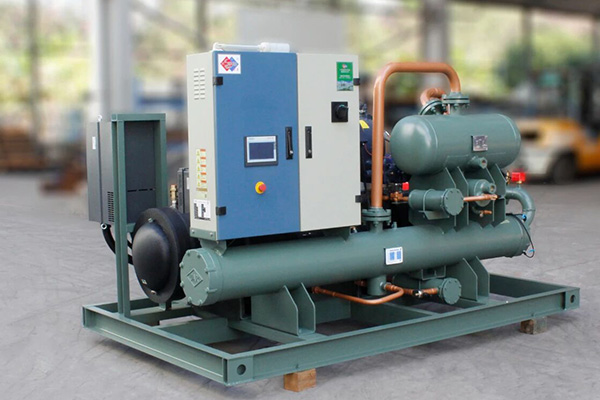
A glycol chiller is a highly efficient and stable cooling system designed to operate safely at 0°C and below. By preventing coolant freezing, it ensures continuous operation even in harsh low-temperature environments, completely eliminating downtime caused by ice formation in the cooling loop.
When discussing thermal storage cooling technology, one common misconception is that ice thermal storage systems are only valuable in regions with peak–off-peak electricity price differences. While time-of-use pricing can indeed amplify economic benefits, it is far from being the only condition that determines whether an ice storage system is suitable.
In reality, ice storage offers multi-dimensional value—load management, space optimization, emergency cooling, and green energy integration—that makes it beneficial even in regions without significant electricity price gaps.
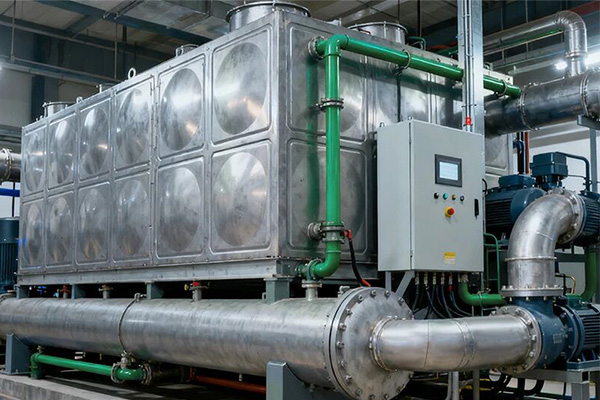
Electricity Price Differences: A Benefit, Not a Requirement
In areas with time-of-use electricity tariffs, ice storage reduces operating costs by producing ice at night and releasing cooling during daytime peaks. This cuts peak demand, lowers electricity bills, and reduces chiller operation during the most expensive hours.
However, the true value of an ice storage system lies in its ability to store and shift cooling capacity, not in electricity price arbitrage alone. Even without a peak–valley price structure, its advantages remain significant.
1. Ideal for Facilities With Highly Fluctuating Cooling Loads
Facilities such as shopping malls, data centers, and hospitals often experience significant variations in cooling demand:
• Malls see peak loads during daytime and low loads at night
• Hospitals require constant cooling in critical areas but lower loads elsewhere
• Data centers experience irregular spikes in heat output
Ice storage systems help smooth out these fluctuations by:
✔ Releasing cooling during peak load
✔ Reducing chiller stress
✔ Avoiding overloads and unstable outlet temperatures
✔ Producing ice during low-load periods for more efficient chiller operation
These benefits have nothing to do with electricity price differences.
2. Space-Constrained Buildings Benefit Greatly
Traditional cooling systems require large-capacity chillers to handle peak loads, taking up significant machine room space.
Ice storage systems, on the other hand:
• Allow the use of smaller chillers
• Pair them with compact ice tanks
• Reduce equipment footprint
• Lower installation complexity
For crowded urban buildings or retrofitted facilities, space savings alone justify using ice storage—even without tariff incentives.
3. Essential for Emergency Cooling and Energy Security
In mission-critical environments, cooling interruptions can lead to disasters:
• Data loss in data centers
• Medicine spoilage in pharmaceutical warehouses
• Defects in precision manufacturing
Ice storage tanks serve as reliable emergency cooling reserves:
✔ Supply cooling during power outages
✔ Maintain temperature when chillers fail
✔ Provide several hours of stable cooling
✔ Ensure business continuity until backup systems activate
This benefit is independent of electricity pricing.
4. Supports Renewable Energy and Low-Carbon Development
Ice storage pairs seamlessly with renewable energy:
• Store cooling using surplus solar or wind energy
• Release cooling when renewable output drops
• Reduce dependence on fossil-fuel-based grid power
• Increase renewable energy utilization efficiency
• Contribute to carbon reduction goals
Under global green development initiatives, the environmental value alone makes ice storage a strategic choice.
Conclusion: Electricity Price Difference Is a Bonus, Not a Prerequisite
Electricity price differences enhance the economic returns of ice thermal storage systems, but they are not the deciding factor.
The true considerations are whether the scenario has:
• Highly fluctuating cooling loads
• Limited installation space
• Strong emergency cooling needs
• Green and low-carbon objectives
As thermal storage technology continues to mature, ice storage systems will become even more versatile, extending far beyond regions influenced by electricity pricing—and becoming a key solution for optimizing cooling systems across diverse industries.
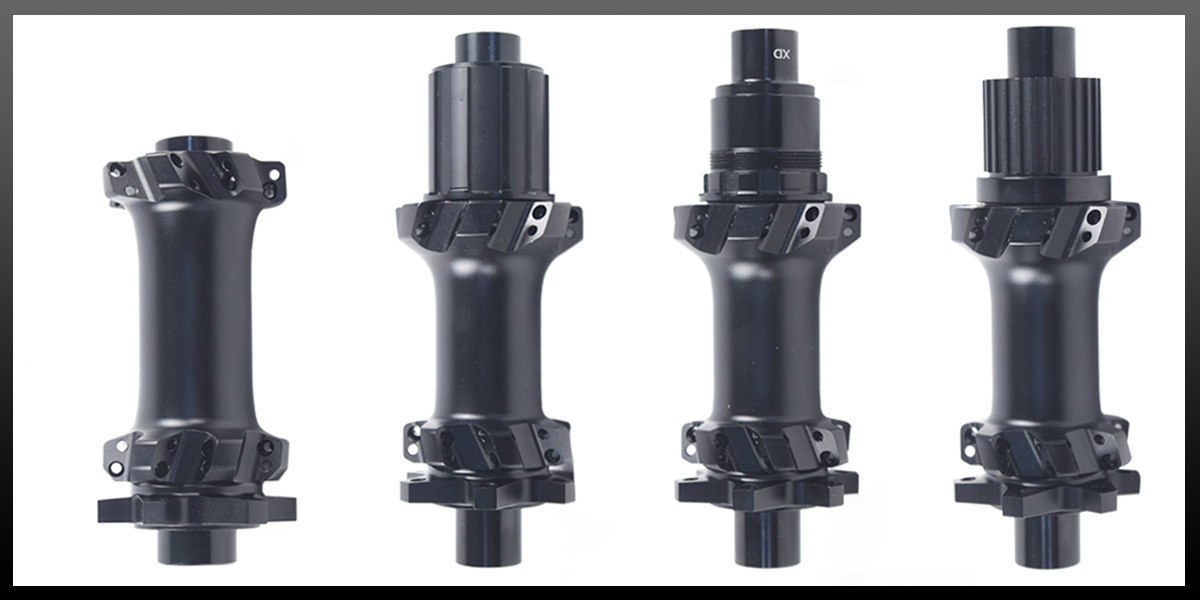
When you think about a fast, reliable bike, the frame, wheels, or drivetrain may come to mind—but the unsung hero is the hub. This central wheel component quietly dictates power efficiency and durability, making it essential for all riders. In this guide, we’ll break down hub basics, explain why quality matters, and how a high-quality hub can elevate your ride.
What Is a Bike Hub, Exactly?
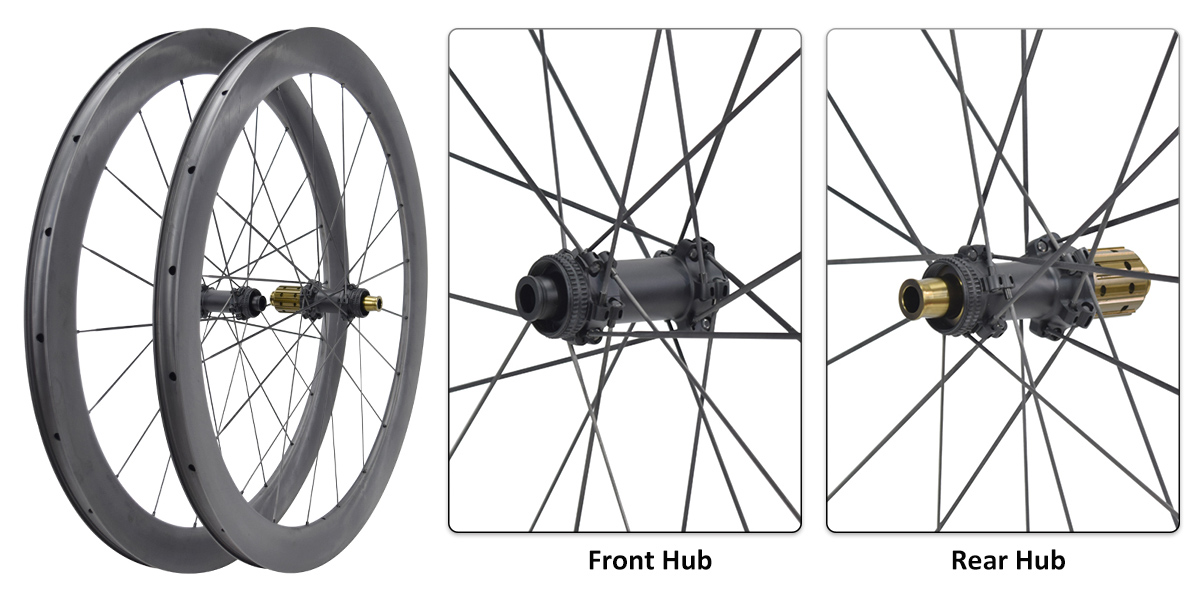
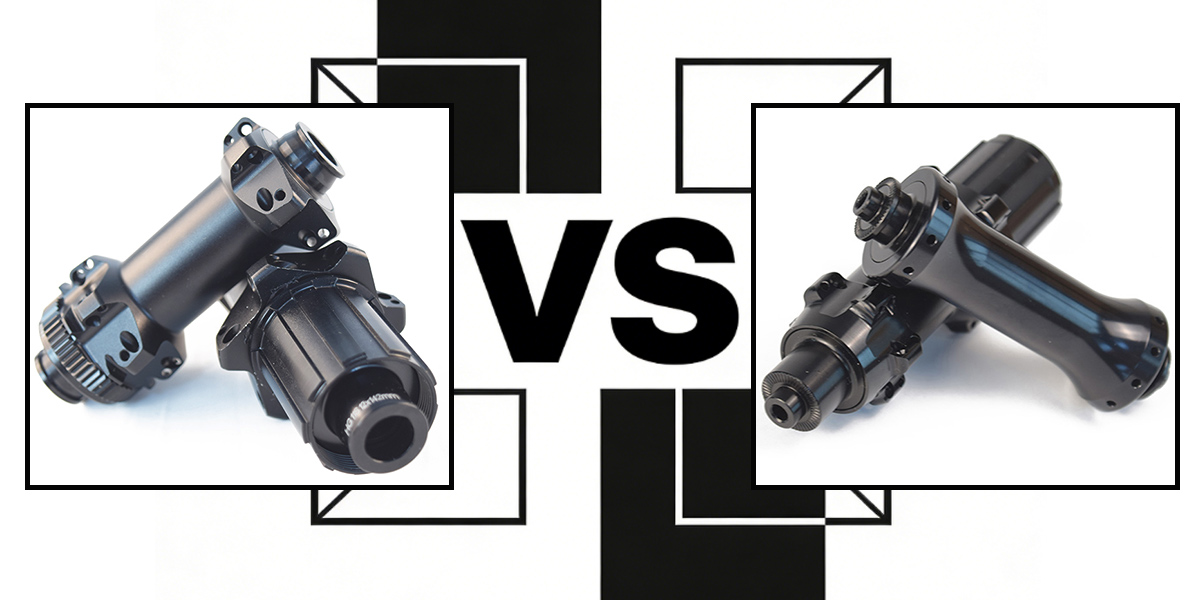
A bike hub connects the wheel rim to the frame via the axle and houses bearings for smooth, low-friction rotation. There are three main types, each tailored to different riding needs:
In conclusion: Don't overlook the hub
High-quality hubs reduce friction, improve power transmission efficiency, and enhance wear resistance—crucial for faster, farther rides. Investing in high-quality hubs is one of the best upgrades you can make to your bike.
Next time you upgrade your bike, don't overlook the hub—it's the unsung hero that makes every ride smoother and more reliable.
Explore our premium hubs designed for speed, durability, and performance. We offer a selection of hubs for road bikes, mountain bikes, and commuter bikes. Contact us for personalized advice or browse our products today.
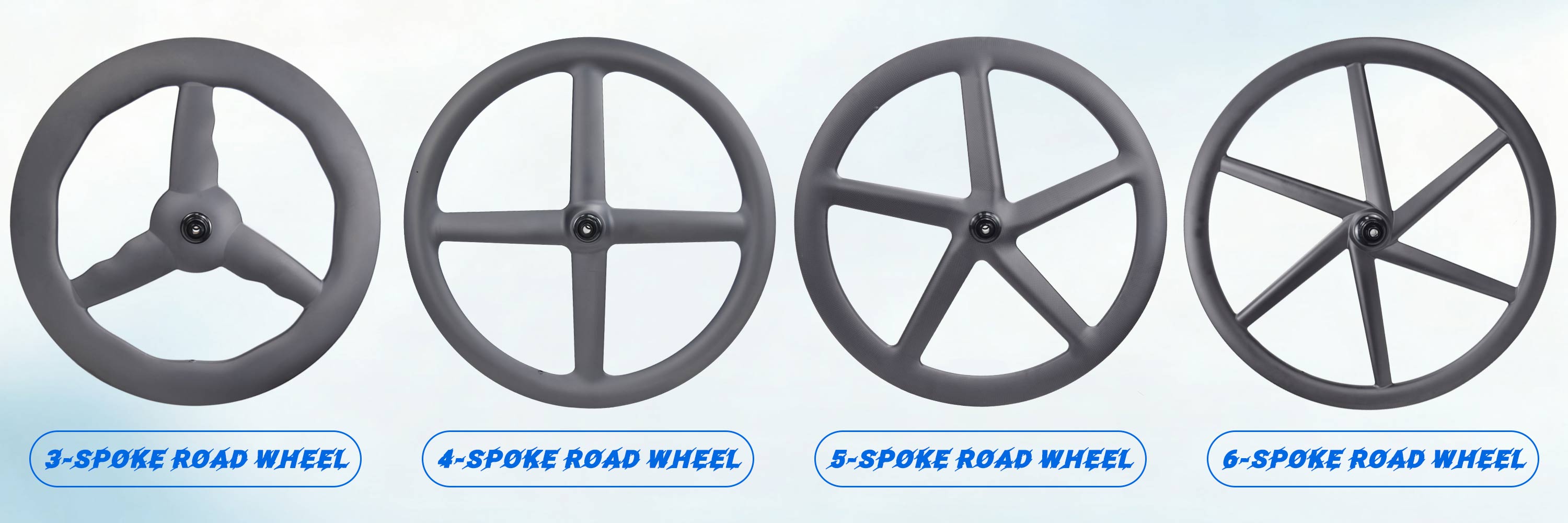
Carbon fiber wheels have revolutionized cycling and automotive performance with their lightweight, stiff, and aerodynamic design. But when it comes to spoke counts—3 / 4 / 5 / 6—there’s no one-size-fits-all. Each configuration caters to different riding styles, performance goals, and preferences. Whether you’re a racer, casual rider, or enthusiast, understanding their differences is key to choosing wisely. Let’s break down each option’s core benefits, ideal uses, and best-fit riders.
🔹3 Spoke Carbon Wheels: Aerodynamic Speed for Competitors
3-spoke carbon wheels are built for speed, minimizing air resistance with their minimal spoke count—perfect for races where every second matters. Crafted from high-modulus carbon, they offer an excellent strength-to-weight ratio for responsive power transfer.
🔹4 Spoke Carbon Wheels: Balanced Speed & Stability
4-spoke wheels strike a sweet spot between aerodynamics and stability. They retain the streamlined design of 3-spoke wheels but add an extra spoke for even force distribution, better lateral stiffness, and predictability in variable conditions.
🔹5 Spoke Carbon Wheels: All-Around Durability
The most popular choice for all-around performance, 5-spoke wheels combine aerodynamics, stiffness, and durability. Their layout distributes weight evenly, reducing spoke stress, while carbon construction keeps them light and stiff—available in various designs for aesthetic flexibility.
🔹6 Spoke Carbon Wheels: Maximum Strength for Rough Terrain
6-spoke wheels prioritize strength and stability above all, with the highest load-bearing capacity of the four configurations. Engineered with thicker spokes and optimized carbon layup, they handle impacts, rough terrain, and heavy use with ease.
 Quick Comparison: 3/4/5/6 Spoke Wheels
Final Tips to Choose
Simplify your choice with three questions:
1).Riding Style: Race (3/4-spoke), casual/daily (5-spoke), rough terrain (6-spoke).
2).Top Priority: Speed/aerodynamics (3/4), versatility/durability (5), strength (6).
3).Budget: 3/4-spoke (specialized, slightly pricier), 5-spoke (affordable versatile), 6-spoke (premium for enhanced construction).
Carbon wheels are a long-term investment—choosing the right spoke count ensures you get the most out of every ride. All options offer lightweight, stiff performance that outperforms traditional alloy wheels.
Unsure which fits? Our experts can match your riding goals to the perfect carbon wheel set, tailored to your style, budget, and needs.
When you think about a fast, reliable bike, the frame, wheels, or drivetrain may come to mind—but the unsung hero is the hub. This central wheel component quietly dictates power efficiency and durability, making it essential for all riders. In this guide, we’ll break down hub basics, explain why quality matters, and how a high-quality hub can elevate your ride.
What Is a Bike Hub, Exactly?
A bike hub connects the wheel rim to the frame via the axle and houses bearings for smooth, low-friction rotation. There are three main types, each tailored to different riding needs:
In conclusion: Don't overlook the hub
High-quality hubs reduce friction, improve power transmission efficiency, and enhance wear resistance—crucial for faster, farther rides. Investing in high-quality hubs is one of the best upgrades you can make to your bike.
Next time you upgrade your bike, don't overlook the hub—it's the unsung hero that makes every ride smoother and more reliable.
Explore our premium hubs designed for speed, durability, and performance. We offer a selection of hubs for road bikes, mountain bikes, and commuter bikes. Contact us for personalized advice or browse our products today.