How to pick the right hydraulic cylinder for reliable performance

You must choose the right hydraulic cylinders for your equipment’s specific demands and operating environment. If you select the wrong hydraulic cylinders, you risk bent rods, leaks, and even complete equipment failure. Problems like rod buckling and poor alignment can damage seals, cause premature wear, and lead to costly downtime. Focus on your application’s technical requirements and long-term reliability to keep your system running safely and efficiently.

  • Rod buckling may cause major equipment damage.

  • Poor fit or alignment increases the chance of leaks and uneven wear.


Key Takeaways

  • Choose hydraulic cylinders based on your equipment's specific needs and operating environment to avoid costly failures.

  • Calculate the required force and pressure using the appropriate formulas to ensure safe and effective operation.

  • Select the right stroke length and mounting style to fit your equipment and prevent installation issues.

  • Understand the differences between cylinder types to match them with your application for optimal performance.

  • Regularly inspect hydraulic cylinders for wear and damage to extend their lifespan and maintain reliability.


How to Choose for Your Application

Equipment and Usage Needs

Start your selection process by asking two important questions: how will the cylinder be used and where is the cylinder being used. These questions help you match the right hydraulic cylinder to your equipment and environment. You need to consider the type of machinery, the tasks it performs, and the conditions it faces every day.

  • Think about the equipment type. Is it a construction excavator, a farm loader, or an industrial press?

  • Consider the operating environment. Will the cylinder face outdoor weather, dust, or chemicals?

  • Check for challenges like shock loads, vibration, contamination, temperature changes, and pressure spikes. These factors can affect reliability and may require special designs or materials.

Tip: Hydraulic cylinders in mobile machinery often need to absorb shocks, resist vibration, and protect against dirt or moisture. Choosing the right design for your environment increases service life.

You should also review technical details such as stroke, bore diameter, rod diameter, cylinder length, oil volume, flow rate, speed, operating pressure, mounting style, and duty cycle. These factors help you understand how to choose the best fit for your application.


Load and Pressure Requirements

Next, focus on how heavy is the load and how much force your equipment needs. You must know the weight or resistance the cylinder will move or lift. This step is critical for safety and performance.

  • Calculate the force (F) needed using the formula: F = p × A, where p is pressure and A is the piston area.

  • Measure the area (A) of the piston: A = π × (diameter²) / 4.

  • Make sure your units match for accurate results.

  • Use the formula p = F / A to find the required pressure.

According to Pascal’s Law, pressure applied to a confined fluid spreads evenly, so you can multiply force efficiently. Always check the pressure rating of your hydraulic cylinder. Most standard cylinders work between 2,500 and 3,500 PSI. Never exceed the recommended pressure. Using a cylinder above its rating can cause leaks, damage, or even catastrophic failure.

Note: Exceeding the working pressure of a hydraulic hose or cylinder can lead to accidents and costly repairs.

When you know how heavy is the load and the pressure needed, you can select a cylinder that matches your system and keeps your equipment safe.


Stroke Length and Space

The next step in how to choose a hydraulic cylinder is to determine the required stroke length and check the available installation space. Stroke length means the maximum distance the cylinder rod travels. Most applications use stroke lengths between 6 and 36 inches, but standard options range from 1 inch to 72 inches. Custom lengths are also possible for special needs.

Ask yourself: how will the cylinder be used and where is the cylinder being used? The answers help you decide if you need a compact design or a longer reach.

Configuration Type

Description

Impact on Stroke Length

Telescopic

Allows for extended reach in limited space

Can accommodate longer strokes in confined areas

Radial

Operates along multiple axes

Provides flexibility in design while managing space constraints

  • The retracted (closed) length must fit within your equipment’s design space.

  • Long stroke cylinders may need extra support to prevent twisting or misalignment.

Tip: Always measure the available space before finalizing stroke length. The right fit prevents installation problems and ensures smooth operation.

By following these steps, you will know how to choose the right hydraulic cylinder for your equipment’s needs, load, and available space.


Types of Hydraulic Cylinders
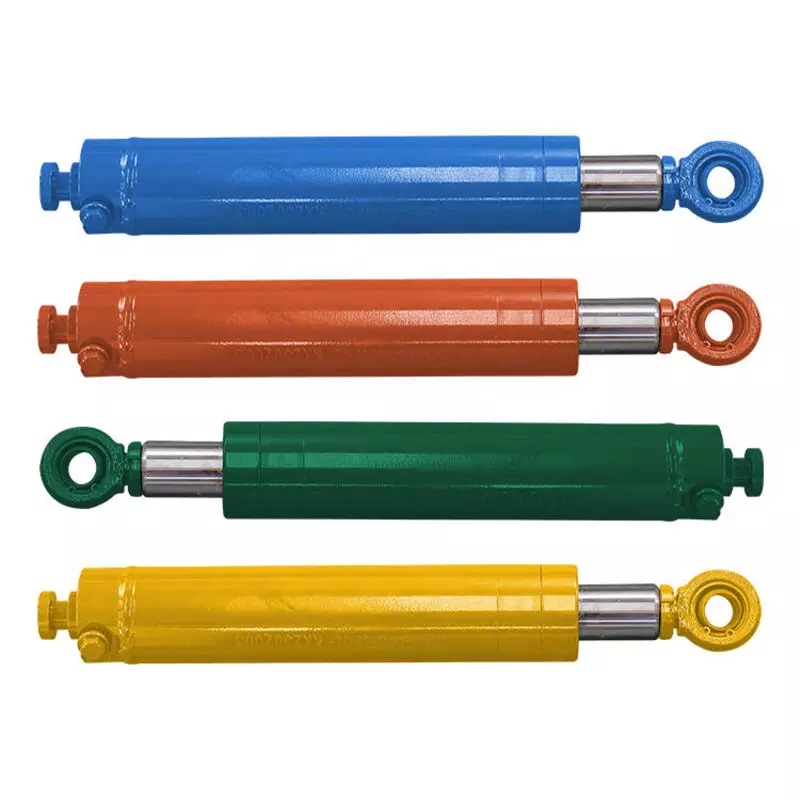
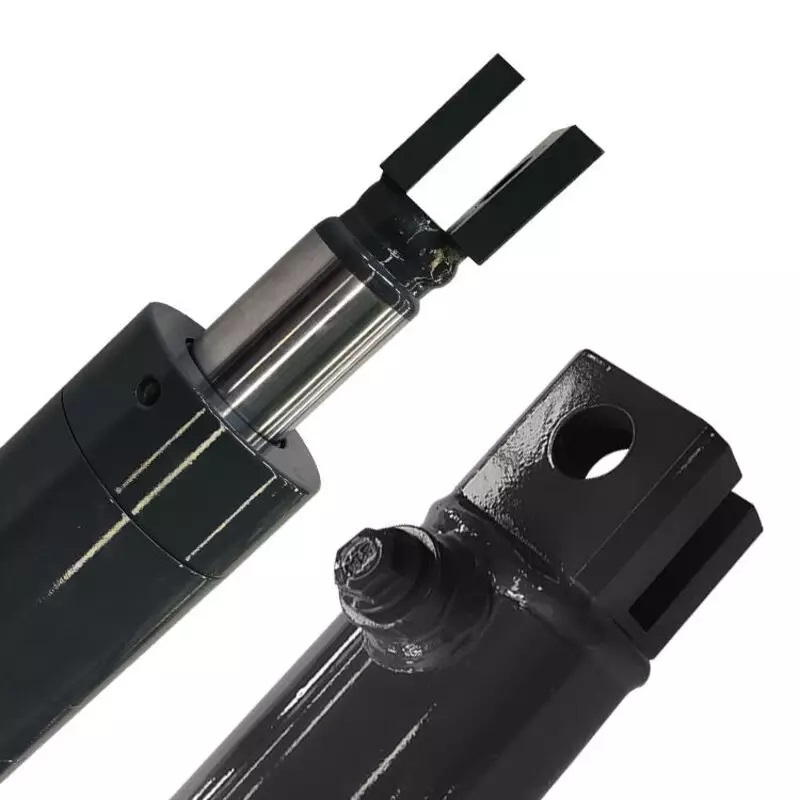
Small Electric Hydraulic Push Rod Hydraulic Cylinder

Main Cylinder Types

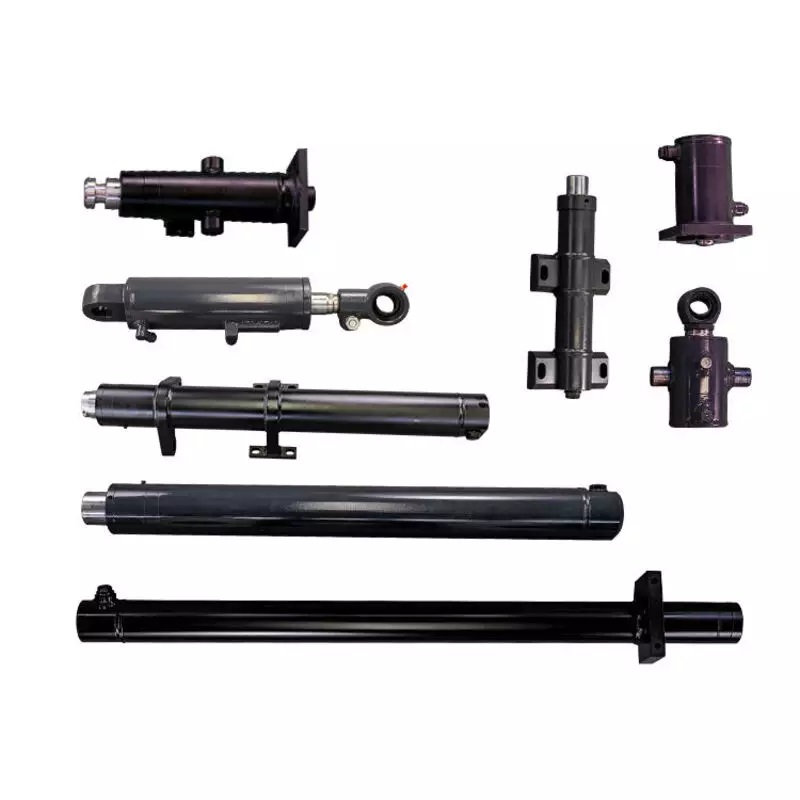
You will find several main types of hydraulic cylinders in industrial and mobile equipment. Each type of cylinder has unique features and fits different tasks. The most common types include single-acting, double-acting, telescopic, tie-rod, and welded cylinders.

Here is a quick comparison of single-acting and double-acting cylinders:

Feature

Single Acting Cylinder

Double Acting Cylinder

Operation

Moves piston in one direction

Moves piston in two directions

Return Mechanism

Uses spring or gravity

Uses hydraulic pressure

Complexity

Simpler and cost-effective

More complex and expensive

Applications

Suitable for simpler tasks

Ideal for applications needing bidirectional force

Single-acting cylinders use hydraulic pressure to move in one direction. They return with a spring or gravity. You will see these in simple lifting systems. Double-acting cylinders use hydraulic pressure for both extension and retraction. They give you more control and work well in equipment that needs force in both directions.

Telescopic cylinders have multiple stages that extend for a long reach. Tie-rod cylinders use rods to hold the cylinder together, making them easy to service. Welded cylinders have a strong, sealed body for high-pressure tasks.


Best Uses for Each Type

You should match the cylinder type to your application for reliable performance. The table below shows where each type works best:

Hydraulic Cylinder Type

Typical Applications

Single-Acting Cylinders

Used in jacks or lifting systems for heavy loads.

Double-Acting Cylinders

Common in drawers, steering cylinders, and excavator arms.

Telescopic Cylinders

Utilized in dump trucks and construction vehicles for long strokes.

Tie-Rod Cylinders

Found in factories due to easy disassembly for servicing.

Welded Cylinders

Used in bulldozers and mining equipment for high strength.

You can follow these steps to choose the right type for your needs:

  1. Define your application. List the function, load, travel distance, speed, and environment.

  2. Calculate the force, bore size, and stroke length you need.

  3. Select the mounting style and features that fit your equipment.

  4. Double-check your choices to make sure the cylinder fits and works as expected.

Tip: Telescopic cylinders work well in dump trucks and material handling because they provide long strokes in a compact space.

By understanding each type of cylinder and its best use, you can improve the reliability and safety of your hydraulic system.


Key Specs for Hydraulic Cylinders

Bore and Rod Diameter

You need to pay close attention to the size of the bore when selecting hydraulic cylinders. The size of the bore determines the effective surface area inside the cylinder. A larger size of the bore increases the surface area, which means the cylinder can generate more force. You can calculate the force output using the formula:
Force = Pressure × Area
where the area depends on the size of the bore. If your application requires more lifting or pushing power, choose a cylinder with a larger bore.

The rod diameter also plays a key role in durability. A thicker rod resists bending and buckling, especially in long-stroke cylinders or heavy-duty tasks. If you undersize the rod, you risk increased wear and possible failure. Always match the rod diameter to the load and stroke length to ensure safe operation.

The rod is often the most vulnerable part of a hydraulic cylinder. While the bore is determined by the push force, the rod diameter is frequently determined by buckling strength, especially in long-stroke cylinders.


Operating Pressure

You must check the pressure ratings before choosing a cylinder. The size of the bore and the pressure rating together determine the maximum force the cylinder can deliver. Most cylinders have three pressure ratings:

  • Operating Pressure: The maximum pressure for normal use.

  • Proof Pressure: A higher test pressure the cylinder can handle briefly.

  • Burst Pressure: The pressure at which the cylinder will fail.

Never exceed the operating pressure to avoid damage or accidents.


Mounting Style

The mounting style affects how you install and maintain your cylinder. Proper mounting ensures stability and safety. Here is a quick comparison:

Mounting Style

Impact on Stability

Maintenance Implications

Flange

High

Easier alignment and maintenance

Clevis

Moderate

Needs careful alignment to prevent wear

Foot Mount

Variable

May require frequent checks for wear

A well-chosen mounting style helps your cylinder work smoothly with your equipment and reduces maintenance needs.


Seal Material and Durability

Seals keep hydraulic fluid inside and contaminants out. The right seal material prevents leaks and extends cylinder life. Common seal types include:

Seal Type

Properties and Applications

Polyurethane seals

High pressure, wear-resistant, for heavy-duty use

Nitrile rubber seals

Versatile, works with most fluids, for general applications

PTFE seals

Chemical-resistant, low friction, for high temperatures

Check seals regularly for wear or damage. Replace them as needed to prevent leaks and keep your hydraulic cylinders running reliably.


Cylinder Materials & Durability

Steel vs. Aluminum

You must choose the right material for your hydraulic cylinder to match your equipment’s environment and workload. Steel and aluminum are the most common options. Each material offers unique benefits and drawbacks. The table below compares them:

Material

Advantages

Disadvantages

Aluminum

Lightweight, reduces equipment weight, ideal for mobile use.
Resists corrosion, good for marine settings.
Cost-effective to produce.

Lower strength, not for heavy-duty jobs.
Wears faster in high-impact tasks.

Steel

High strength, handles high pressure.
Better wear resistance.
Longer lifespan, less frequent repairs.

Heavier, not ideal for mobile equipment.
Prone to rust without protection.
Can cost more to manufacture.

You should use aluminum cylinders for lighter, portable machines or when you need corrosion resistance. Steel cylinders work best in heavy-duty or high-pressure systems.


Corrosion Resistance

Corrosion can shorten the life of hydraulic cylinders, especially outdoors or near saltwater. Stainless steel, especially 316 grade, offers excellent protection in marine environments. You can also use heavy-duty sealing systems to keep out moisture. Hard chrome plating on rods adds another layer of defense, making cylinders last longer in harsh weather.

Corrosion often starts as a small spot but can lead to leaks and seal failure. Protecting your cylinder from rust helps you avoid costly repairs and downtime.

The table below shows common corrosion-resistant materials:

Material

Advantages

304 Stainless Steel

Good corrosion resistance, affordable

316 Stainless Steel

Best for saltwater, very durable

Duplex Stainless Steel

High strength, top corrosion protection


Maintenance Factors

Material choice affects how often you need to maintain your cylinder. Steel cylinders with advanced coatings need less frequent repairs. Aluminum resists rust but may wear out faster in tough jobs. You should check for surface damage, seal wear, and leaks during regular inspections. Using hollow rods can reduce weight, making machines easier to control and improving speed. Solid rods add strength but increase weight and may slow down motion.

Tip: High-strength materials and modern plating methods can extend the service life of your hydraulic cylinders, especially in outdoor or marine environments.


Custom Hydraulic Cylinder Options

When to Consider Customization

You may need a custom hydraulic cylinder when your equipment faces unique demands or operates in challenging environments. Standard cylinders often cannot meet the requirements of specialized machinery. Custom hydraulic cylinder solutions help you achieve better performance and reliability.

  • Construction equipment benefits from custom hydraulic cylinder designs that deliver extra power and control for heavy loads.

  • Agricultural machinery uses custom hydraulic cylinders to handle diverse tasks, improving efficiency and reducing manual labor.

  • Marine applications require custom hydraulic cylinders that resist corrosion and perform well in high moisture and saltwater conditions.

  • Aerospace industry relies on custom hydraulic cylinders for precise movement and strict safety standards.

  • Material handling equipment uses custom hydraulic cylinders to optimize lifting speed and capacity in warehouses.

  • Mining equipment depends on custom hydraulic cylinders to withstand high-pressure and demanding conditions.

  • Oil and gas sector needs custom hydraulic cylinders for intense pressures during drilling and offshore extraction.

  • Renewable energy systems use custom hydraulic cylinders to ensure smooth movement and positioning.

You should consult with suppliers when your application involves unusual specifications, extreme loads, or harsh environments. Suppliers can help you select the right custom hydraulic cylinder design for your needs.


Special Requirements and Environments

Custom hydraulic cylinders play a vital role in harsh environments. You may need special materials, seals, or mountings to ensure reliable operation. Standard cylinders have limitations in extreme conditions.

Applications like civil engineering, military, mining, and offshore drilling require rugged and robust cylinder designs. These cylinders must handle high working pressures and resist caustic and corrosive substances.

Custom hydraulic cylinders can be made from stainless steel to perform well in extreme temperatures. You can tailor the design to enhance reliability and reduce maintenance. Severe duty hydraulic cylinders feature reinforced construction and advanced sealing systems to withstand heavy loads and contamination.

  1. Custom hydraulic cylinders use materials that resist corrosion and extreme temperatures.

  2. You can customize seals and mountings for better performance.

  3. Customization reduces maintenance and repair needs, ensuring long-term dependability.

You should always review your application’s requirements and consult experts to determine if a custom hydraulic cylinder is necessary. This approach helps you achieve reliable performance and extend equipment life.


Final Checklist: How to Choose the Right Hydraulic Cylinder

Key Steps Recap

You can follow this checklist to make sure you select the right hydraulic cylinder for reliable lifting and control:

  • Identify your application needs. Think about the type of equipment, the environment, and the specific lifting and pulling projects you plan to complete.

  • Decide how much accuracy and control is needed for your tasks. This step helps you match the cylinder to your load and movement requirements.

  • Choose the correct bore diameter. The bore size affects strength, force output, and lifting capacity. You should always check with your cylinder manufacturer for recommendations.

  • Measure the maximum stroke length. Make sure the cylinder can extend and retract as needed for your lifting jobs.

  • Review the mounting style and seal material. These details impact installation, leak prevention, and long-term performance.

  • Ask your cylinder manufacturer about the best material for your environment. Steel and aluminum offer different benefits for lifting and control.

  • Confirm the operating pressure and rod diameter. These factors affect lifting safety and accuracy.

  • Always check how much accuracy and control is needed for your application. This ensures you get the right cylinder for precise lifting.

  • Work with a trusted cylinder manufacturer to guarantee quality and performance.

Tip: Never compromise on quality. High-quality cylinders from a reputable cylinder manufacturer deliver better lifting accuracy and control.


Common Mistakes to Avoid

You can avoid costly problems by watching for these common mistakes during hydraulic cylinder selection and repair:

  • Using low-quality parts or repairs. Always choose quality components from your cylinder manufacturer.

  • Ignoring proper rod and tube finishing. Poor finishing can damage seals and reduce accuracy.

  • Fitting seals incorrectly. This mistake leads to leaks and loss of control.

  • Failing to clean components before assembly. Dirt and debris can ruin lifting performance.

  • Overlooking alignment. Misalignment causes wear and reduces lifting accuracy.

  • Applying the wrong torque during assembly. Use the correct tools for quality results.

  • Skipping maintenance after repairs. Regular checks keep your lifting system safe.

  • Not testing the cylinder before installation. Always test for leaks and control issues.

  • Trying to save money by cutting corners. Investing in quality ensures long-term lifting performance.

Remember: Quality, accuracy, and control matter most for safe and reliable lifting. Always consult your cylinder manufacturer for expert advice.


You improve equipment reliability and safety when you choose hydraulic cylinders with care.

  • Careful selection prevents seal wear, leaks, and misalignment.

  • Bore diameter and stroke length affect strength and load capacity.

  • Expert guides help you understand force, pressure, and mounting options.
    Review every factor before you decide. If you feel unsure, consult a specialist. Always put quality and suitability first. This approach protects your investment and keeps your equipment running safely.


FAQ

What is the most important factor when choosing a hydraulic cylinder?

You must match the cylinder to your equipment’s load and operating pressure. This step ensures safe performance and prevents damage. Always check the manufacturer’s specifications for your application.

How often should you inspect hydraulic cylinders?

You should inspect hydraulic cylinders every month. Look for leaks, worn seals, and rod damage. Regular checks help you catch problems early and extend cylinder life.

Can you use aluminum cylinders in heavy-duty applications?

Aluminum cylinders work best in light-duty or mobile equipment. Steel cylinders handle heavy loads and high pressure. Choose steel for demanding jobs.

What causes hydraulic cylinder leaks?

Leaks often result from worn seals, poor alignment, or damaged rods. You can prevent leaks by using quality parts, proper installation, and regular maintenance.
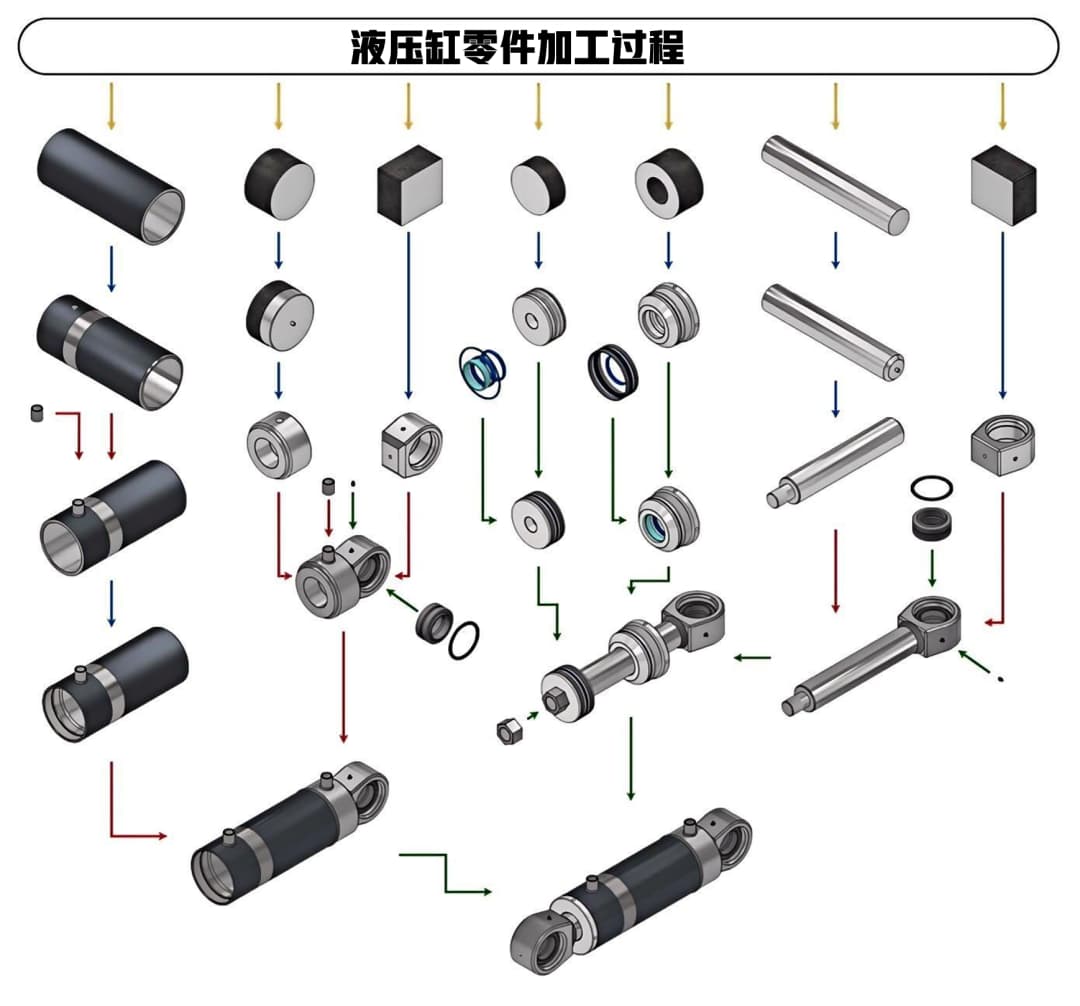
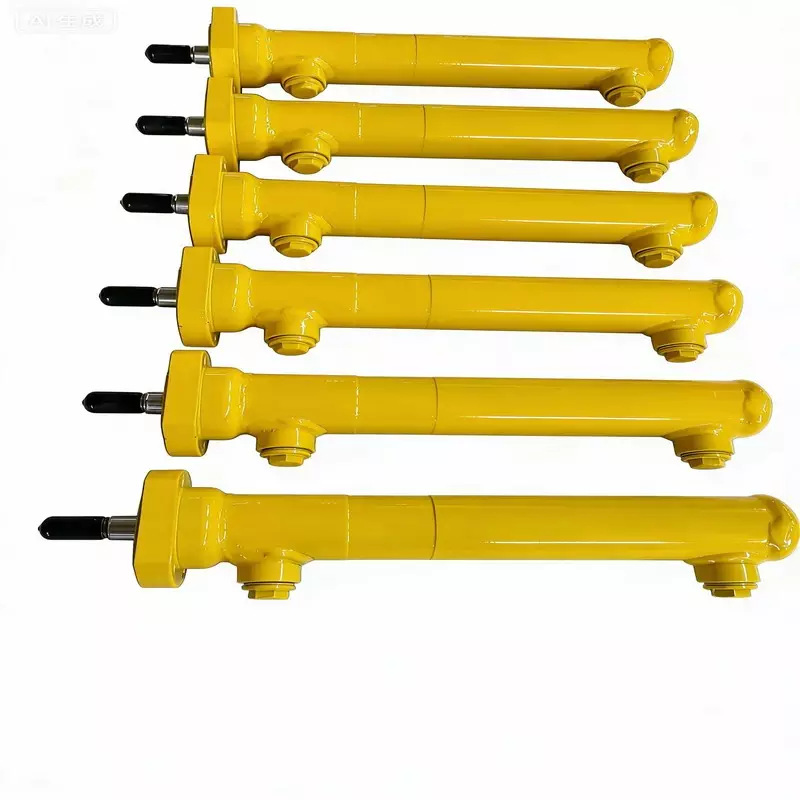
Hydraulic Cylinder Manufacturing Process

As a key actuator component in hydraulic systems that achieves bidirectional linear motion, the mainstream single-rod double-acting hydraulic cylinder in the industry is manufactured with three core requirements in mind: "high precision, strong wear resistance, and strict sealing."  In particular, the deep hole machining of the cylinder barrel and the precision machining of the piston rod are the technical core aspects that determine the product's lifespan and performance. Today, using this type of hydraulic cylinder as an example, and incorporating the "Design for Manufacturing (DFM)" concept, we will comprehensively break down the entire manufacturing process, from material selection and equipment selection to step-by-step processes, helping you understand the technological logic behind precision hydraulic components.


1. Component Composition and Material Selection (Based on Process Adaptability Design)

The core components of a single-rod double-acting hydraulic cylinder include the cylinder barrel, piston rod, piston, front cylinder head, rear cylinder head, seals, and connectors. Material selection must strictly match the processing technology and working conditions, which is a core embodiment of the DFM (Design for Manufacturing) concept:


1.1 Precise Matching of Key Parts and Materials

Cylinder Barrel: Seamless steel pipes are preferred for the blank (a type of steel pipe without welds, with uniform material and high strength, eliminating the need for subsequent deep hole drilling, and adaptable to the "large length-to-diameter ratio" structural characteristics of the hydraulic cylinder). The material is mostly high-quality carbon steel or alloy structural steel. The cylinder bore processing accuracy needs to reach IT9~IT7 grade (IT is the international tolerance standard code; the smaller the number, the higher the accuracy. IT7 grade accuracy is higher than IT9 grade, ensuring precise fit between the cylinder bore and the piston, avoiding excessive internal leakage). Roundness (an indicator measuring whether the cross-section of the part is close to a perfect circle; the smaller the error, the more uniform the contact between the inner wall of the cylinder bore and the piston seal), and cylindricity (an indicator measuring whether the entire outer circle or inner hole of the part is uniformly cylindrical; the smaller the error, the smoother the piston movement) errors should not exceed 1/2 of the fitting tolerance. The straightness of the axis (an indicator measuring whether the central axis of the part is straight, with an error of ≤0.03mm over a length of 500mm, preventing piston jamming during movement) should be ≤0.03mm over a length of 500mm, and the surface roughness Ra=0.1~0.4μm (Ra is an indicator measuring the smoothness of the surface; the smaller the value, the smoother the surface. This range reduces seal wear and extends service life) (directly affecting the life of the seals). Piston Rod: The core load-bearing component.  The preferred material is 35 or 45 steel (common high-quality carbon structural steel, with moderate strength and easy machinability); for applications involving severe impact and vibration, 55 steel or 40Cr alloy steel (an alloy structural steel with improved strength and toughness due to the addition of chromium, suitable for bearing high impact loads) is used.  It requires heat treatment (a heat treatment process involving heating and quenching the steel, followed by high-temperature tempering, aiming to improve the overall performance of the material – ensuring both strength and a certain degree of toughness to prevent the piston rod from fracturing under stress) to a hardness of HB229~285 (HB is the Brinell hardness unit; the higher the value, the harder the material; this range ensures the piston rod is both wear-resistant and resistant to deformation); for corrosive or marine environments, stainless steel is used, with a hard chrome plating on the surface (approximately 0.05mm thick, electroplating a layer of chromium on the piston rod surface significantly improves wear resistance and corrosion resistance, preventing rust and wear). The fit tolerance is mostly H7/g8 or H7/f8 grade (in tolerance specifications, H represents the tolerance of the hole, g/f represents the tolerance of the shaft; the smaller the number, the higher the precision; H7/g8 provides a tighter fit, H7/f8 a slightly looser fit, both used to ensure the precise fit between the piston rod and the guide bushing, balancing sealing and smooth movement), with a surface roughness Ra=0.2~0.4μm, and roundness and cylindricity errors not exceeding 1/2 of the diameter tolerance. Piston and Cylinder Head: Pistons are commonly made from bar stock (cylindrical metal raw material) or cold-drawn bars (bars processed by cold drawing, offering high surface accuracy and uniform dimensions, reducing subsequent machining allowances and saving costs). The material is cast iron (an iron-carbon alloy with a high carbon content, high hardness, and easy casting, but poor toughness) or ductile iron (cast iron with a spheroidizing agent added, causing the internal carbon elements to be distributed in a spherical shape, resulting in significantly better toughness than ordinary cast iron, suitable for withstanding the repeated impacts of piston movement). The front and rear cylinder heads are made of carbon steel to ensure structural rigidity and welding compatibility.


Standard Parts: Sealing components (parts that prevent hydraulic oil leakage, such as O-rings and piston rings), lubrication nipples (interfaces for injecting lubricating oil), bearings (parts that reduce friction between moving parts), etc., prioritize products from established suppliers, focusing on the precision machining of core structural components.


1.2 DFM Design Core: Structural Optimization Adapted to Manufacturing Processes

The cylinder barrel uses a seamless steel pipe blank, avoiding the technical difficulties of deep hole drilling.

When the piston rod is designed as a slender shaft structure, a center hole (for positioning during lathe machining) and a steady rest support position (explained in subsequent processing steps) are reserved to reduce machining deformation;

Welded components (such as the rear cylinder head and cylinder barrel) have reserved locating tapered surfaces (tapered positioning surfaces to facilitate alignment during assembly) and pin holes (holes for inserting locating pins to ensure that parts do not shift during welding), ensuring coaxiality (the degree to which the center axes of the parts coincide).


2. Core Processing Equipment: Dual Guarantee of Precision and Efficiency

The processing of single-rod double-acting hydraulic cylinders relies on specialized equipment and precision tooling (auxiliary processing tools). The core equipment must meet the requirements of deep hole machining, stable cutting of slender shafts, and high-precision finishing, specifically as follows:


2.1 Specialized Equipment for Deep Hole Machining

Deep hole machining machine tool: The core feature is "workpiece rotation, tool feed" (to prevent tool deflection due to its slenderness); equipped with a powerful cooling and chip removal system (using high-pressure coolant to remove heat and chips generated during cutting, preventing tool overheating and damage, and preventing chips from scratching the workpiece), it can achieve front chip removal (used during fine boring, chips are discharged from the front of the workpiece) and rear chip removal (used during rough boring, chips are discharged from the rear of the workpiece). The coolant is double-filtered (magnetic oil filter (adsorbs iron chips) + foam oil filter (filters impurities)) to ensure the cleanliness of the oil. The machine tool's pressure head (a component used to support the tool holder, guide the tool, and clamp the workpiece) supports the tool holder, guides the tool, and clamps the workpiece. The rough guide bushing (a sleeve that guides the rough machining tool, preventing tool deflection during cutting) and the tool holder guide bushing (a sleeve that supports the tool holder, enhancing the rigidity of the tool holder) enhance the rigidity of the tool holder and prevent machining vibration.


Key tooling: Rough boring head (a tool used for rough machining holes, with a carbide front guide block and a cloth-reinforced plastic rear guide block, the former is wear-resistant, and the latter assists in positioning), fine boring head (a tool used for fine machining holes, adopting a floating structure that can automatically align with the center to ensure machining accuracy), roller burnishing head (containing tapered rollers, a tool that achieves finishing and strengthening by extruding the workpiece surface).


2.2 Piston Rod Processing Equipment: Lathe (including power turret + fixed bed)

Equipped with an elastic tailstock center (a center on the lathe tailstock with a certain elasticity, which can support the part to ensure positioning without causing deformation due to excessive tightening) and an improved steady rest (an auxiliary device for machining slender parts on a lathe, supporting the part like a "bracket" to prevent vibration or bending, usually with three support blocks), used for rough turning (initial turning) and semi-finishing of piston rods; using reverse feed (the tool moves from the far end to the near end of the part, reducing bending deformation of the slender shaft).


Grinding equipment: Ordinary cylindrical grinding machine (a machine tool used for grinding the outer diameter of parts, equipped with an open center rest), centerless grinding machine (no need for center positioning, the workpiece is rotated and ground by the grinding wheel and guide wheel, suitable for mass production) (using through-feed grinding (the workpiece enters from one end of the machine and exits from the other end for continuous grinding) + support frame (an auxiliary device for supporting slender workpieces to prevent vibration)), used for precision grinding of the outer diameter of piston rods; double-wheel honing special device (can be modified from a lathe, using two inclined grinding wheels to finely grind the surface of the workpiece to achieve ultra-precision machining), to achieve ultra-precision finishing.


Rolling equipment: Piston rod special rolling head (containing 12 tapered rollers, a tool that strengthens the surface by extruding the surface of the piston rod), used for surface strengthening treatment.


2.3 Welding and Assembly Equipment

Automatic welding machine: Circumferential seam welding machine (equipment used for welding circular seams, such as coaxial parts like cylinder barrels and rear cylinder covers, ensuring uniform welds), sleeve welding machine (equipment specifically used for welding sleeve-type parts), ensuring welding airtightness and coaxiality. Assembly and testing equipment: torque wrench (a wrench that can set the tightening torque, ensuring consistent bolt tightening force and preventing leaks due to loose bolts or damage to parts due to overtightening), press-fitting tools (tools used to press bearings and other parts into their installation positions, ensuring assembly accuracy), roughness tester (an instrument for measuring surface roughness), roundness tester (an instrument for measuring roundness error), pressure testing bench (equipment that injects high-pressure oil into the cylinder to check for leaks), ensuring assembly accuracy and product quality.


3. Step-by-Step Breakdown: Manufacturing Process (Process Parameters + Quality Control Points)

The manufacturing process of a single-rod double-acting hydraulic cylinder can be summarized into five main stages: "Raw Material Pre-treatment → Core Component Maching → Welding → Assembly → Testing". Each step requires strict control of process parameters (such as cutting speed and feed rate) to avoid common defects (such as hole misalignment and part deformation):


First Step: Raw Material Pre-treatment

Purchase seamless steel pipes (cylinder barrel), round steel (piston rod), and other blanks that meet the requirements.  These are then straightened (a process of correcting the bending of the blank through pressure or heating to ensure subsequent processing accuracy) and derusted (removing surface rust to prevent scratching the workpiece during processing);

The cylinder barrel blank is cut to the design length using an automatic band saw (a saw that can automatically cut metal, with high cutting accuracy and efficiency), and the end face is deburred (removing sharp protrusions on the cut end face to prevent scratching the seals during assembly); the piston rod blank has a center hole drilled for subsequent processing positioning.


Second Step: Core Component Machining

(1) Deep Hole Machining of Cylinder Barrel (Rough Boring → Fine Boring → Roller Burnishing)

Rough boring (preliminary machining of the cylinder bore, removing most of the excess material, leaving allowance for fine boring): Use a rough boring head with double guide blocks, main cutting edge angle 60° (the angle between the cutting edge of the tool and the workpiece axis, 60° can reduce radial force and prevent tool deflection), removing most of the allowance (leaving 0.15~0.20mm for fine boring); using rear chip removal, high-pressure cooling oil (flow rate 300L/min, pressure 0.8MPa) is used to forcibly remove chips; cutting parameters: cutting speed 1.7~2m/s (the speed at which the cutting edge of the tool moves relative to the workpiece, a moderate speed can balance efficiency and tool life), feed rate 0.2mm/r (the distance the tool moves for each revolution of the workpiece, 0.2mm/r ensures stable cutting). Fine Boring (Fine machining of the cylinder bore after rough boring to ensure final accuracy and surface quality):  Uses a floating fine boring head with automatic centering and diameter correction; the guide block must meet the requirements of "the front part matches the diameter after rough boring, the back part matches the diameter after fine boring, and the circumferential dimensions are consistent"; uses forward chip removal, cooling oil flow rate of 200 L/min; cutting parameters: feed rate 2~2.5 mm/r, cutting speed increased by 20% compared to rough boring.


Roller Burnishing (A process that smooths and strengthens the cylinder bore surface by pressing the roller burnishing head against it): Burnishing allowance (thickness of material removed during burnishing) is controlled at 0.08~0.12 mm (excessive interference fit can easily cause peeling and cracking, while insufficient interference fit cannot eliminate tool marks); cutting speed 1.3~1.7 m/s, feed rate 0.25~0.3 mm/r; roller burnishing head roller radius R=2 mm, all roller size tolerances ≤0.005 mm. After burnishing, the cylinder bore surface roughness Ra≤0.1 μm, forming a cold work hardening layer (a surface layer where the metal undergoes plastic deformation after rolling and pressing, increasing hardness and enhancing wear resistance and fatigue life), significantly improving hardness and wear resistance.


(2) Piston Rod Machining (Turning → Grinding → Finishing/Strengthening)

Turning (The process of machining the outer diameter of the piston rod using a lathe, divided into rough turning and fine turning): Uses "elastic tailstock center + improved steady rest" clamping; 4×20mm steel wires are placed between the jaws and the workpiece (line contact adjustment direction to prevent workpiece deformation caused by excessive clamping force); when the slenderness ratio > 1:80, add wooden support blocks (wooden blocks that assist in supporting the workpiece, reducing vibration and preventing scratching of the workpiece) to dampen vibrations; uses reverse feed to reduce cutting deformation; rough turning tool main cutting edge angle 75°, surface roughness after machining Ra=1.6~3.2 μm. Grinding (fine machining of the piston rod's outer diameter using a grinding machine to further improve accuracy and surface quality):  A conventional cylindrical grinding machine is used with an open-type center rest (a device for supporting slender workpieces, which can be opened for easy workpiece clamping; the support blocks are made of nylon or hardwood to prevent scratching). The workpiece rotation speed is relatively low (to prevent vibration), and the grinding depth is small (to avoid workpiece overheating and deformation).  A centerless grinding machine uses through-feed grinding, with the workpiece center below the line connecting the grinding wheel and the regulating wheel (to ensure the grinding wheel presses the workpiece against the regulating wheel, preventing vibration), and is equipped with multiple support rests. After fine grinding, the surface roughness Ra = 0.2~0.4μm.


Finishing/Strengthening (processes to further optimize surface quality or improve surface strength):

Double-wheel honing (a process of ultra-fine grinding the piston rod surface using two inclined grinding wheels): The grinding wheels are installed with opposite inclinations, with a crossing angle α = 27°~35° (the angle between the grinding wheel axis and the workpiece axis, affecting grinding efficiency and surface quality). The grinding wheel grit size is W10~W20 (the smaller the grit size, the finer the abrasive particles on the grinding wheel surface, and the smoother the processed surface). After processing, Ra = 0.01~0.04μm, and cylindricity errors can be corrected.


Roller burnishing (a process of pressing the piston rod surface with a roller burnishing head to improve surface hardness and wear resistance): Burnishing allowance 0.01~0.015mm, spindle speed 500~600r/min (workpiece rotation speed), feed rate 0.3mm/r; after roller burnishing, surface roughness Ra < 0.1μm, and hardness is increased from HB162~190 to HB220~233. Step 3: Welding Process – Ensuring Structural Strength and Coaxiality: Before welding, clean the workpiece welding surface (free of oil and rust to ensure weld strength). Use locating pins + tapered surface positioning (inserting locating pins into pinholes and fitting the tapered surfaces together to ensure the parts are aligned during welding and prevent displacement) to ensure coaxiality; the cylinder barrel and rear cylinder head are welded using a circumferential seam welding machine. The clamping force (force used to fix the workpiece) during welding is controlled at 8000~12000N (adjusted according to the workpiece diameter to avoid damaging the workpiece or insufficient clamping leading to welding displacement); after welding, press-fit the bearing while still hot (the process of pressing the bearing into the installation position; operating while hot utilizes the thermal expansion and contraction of the metal, making it easier to install the bearing). After cooling, check the weld for cracks and pores (welding defects that can lead to oil leakage or insufficient strength). Step 4: Assembly Process – Precise Control of Sealing and Fit: Seal installation: The sealing groove (the groove used to install the seal) must be clean and free of burrs and scratches. Install the piston ring, felt ring, etc., into the groove, avoiding twisting (twisting of the seal can lead to oil leakage); pre-lubrication treatment: apply system oil (the hydraulic oil used when the cylinder is working; applying it in advance reduces friction during assembly and prevents seal wear) to all surfaces in contact with hydraulic oil; sub-assembly assembly: the piston rod and piston are locked together with a nut, ensuring the axial runout of the shaft shoulder (the runout error of the shaft shoulder end face relative to the axis, ≤0.02~0.04mm, to prevent piston displacement after assembly) ≤0.02~0.04mm; final assembly: install the piston-rod sub-assembly into the cylinder barrel, and tighten the threaded connection between the front cylinder head and the cylinder barrel with a torque wrench to ensure reliable sealing. Step 5: Finished Product Inspection and Packaging — Final quality control before shipment: Precision inspection: checking the dimensional tolerances (allowable deviation range of part dimensions), roundness, cylindricity, and surface roughness of the cylinder bore and piston rod; Performance testing: conducting pressure testing (injecting high-pressure oil into the cylinder, maintaining it for a period of time, and checking for leaks to ensure sealing performance), and stroke accuracy testing (checking the deviation between the actual length and the designed length of the piston rod extension and retraction to ensure motion accuracy) (smooth movement without jamming); Anti-rust packaging: surface anti-rust treatment (such as applying anti-rust oil and packaging with anti-rust paper to prevent rust during transportation and storage) followed by sealing to prevent scratches during transportation. Note: A single-acting double-acting hydraulic cylinder manufactured with standardized processes and regularly maintained can have a service life of several years or even longer.


4. Process Difficulties and Solutions (Based on Manufacturing Practice Summary)

Cylinder barrel deep hole machining deviation: Use workpiece rotation + double guide block boring head, pressure head guide sleeve and center support to enhance tool bar rigidity, and perform two-stage cutting after rough boring to ensure uniform allowance; Piston rod turning vibration and deformation: Elastic tailstock + three-support steady rest + reverse feed to reduce cutting stress and vibration; Surface peeling after rolling: Control rolling allowance (0.08~0.12mm), pre-machining surface roughness Ra=1.6~3.2μm, avoid excessively deep valleys (excessively deep valleys will prevent the metal from filling during rolling, resulting in peeling); Coaxiality exceeding tolerance after welding: Use locating pins + tapered surface positioning, straighten in time after welding (correct deformation caused by welding), and control clamping force to avoid workpiece deformation.


5. Process Expansion: Manufacturing Differences of Different Types of Cylinders

The single-rod double-acting cylinder (front cylinder head threaded connection, rear cylinder head welded) introduced today is a general-purpose solution. In actual production, the process needs to be adjusted according to the cylinder type: Tie-rod cylinder: The cylinder barrel and cylinder head are connected by tie rods (long bolts connecting the cylinder head and cylinder barrel), no welding is required, and the focus is on controlling the tie rod pre-tightening force (the tightening force of the tie rod, too loose will cause oil leakage, too tight will damage the cylinder barrel); Telescopic cylinder: Multi-section cylinder barrel nesting design, requiring ensuring the coaxiality and smooth extension and retraction of each section (avoiding jamming between sections); High-pressure cylinder: High-strength alloy material is selected, and the cylinder bore adopts the "precision boring + multiple rolling" process to enhance surface strength (to withstand higher hydraulic pressure).

What Are the Key Technical Specs of Piston Hydraulic Cylinders for Construction

When you select a piston hydraulic cylinder for construction machinery, you need to focus on several critical technical specs:


Specification Type

Details

Materials for Pistons

Steel, cast iron, spheroidal cast iron 65-45-12, C35, C45, S275 JR, S355 JR, stainless steel, Al 7075-T6

Surface Modifications

Rarely modified; possible improvements with DLC coatings

Design Types

Various design types of hydraulic cylinders mentioned

The right specs help you boost performance, extend equipment life, and protect operator safety. Pay attention to proper sizing and robust materials. These factors reduce stress, prevent early wear, and ensure reliable operation on tough job sites.


Key Takeaways

  • Choose the right materials for hydraulic cylinders to enhance durability and performance. High-strength alloy steel and chrome plating can significantly extend the lifespan of your equipment.

  • Understand the importance of bore size, stroke length, and rod diameter. These specs directly affect the force output and operational reach of your construction machinery.

  • Select appropriate mounting styles and seal types to ensure reliable operation. Proper alignment and effective sealing prevent leaks and enhance efficiency.

  • Regularly check for leaks and unusual noises in hydraulic cylinders. Early detection of issues can save you from costly repairs and downtime.

  • Follow a practical selection checklist to match cylinder specs to your machinery's needs. This ensures optimal performance and reduces the risk of failures.


Piston Hydraulic Cylinder Basics

Piston Hydraulic Cylinder

Definition and Function

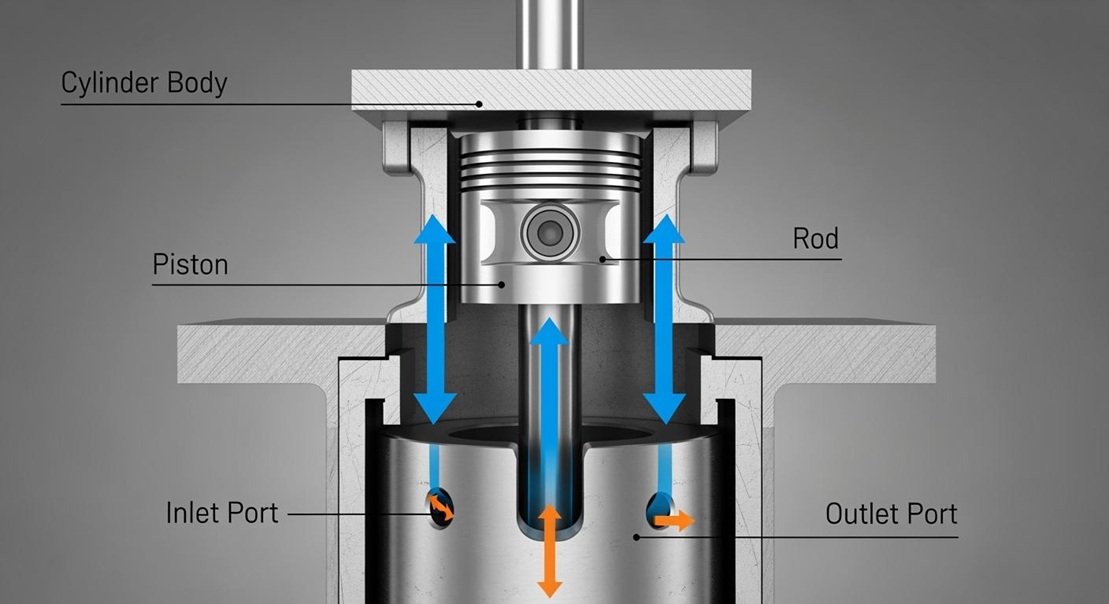
You encounter the piston hydraulic cylinder in almost every piece of modern construction equipment. This component converts hydraulic energy into linear motion, allowing you to lift, push, or move heavy loads with precision. The cylinder consists of a cylindrical barrel, a piston, and a rod. When hydraulic fluid enters the barrel, it pushes the piston, which then moves the rod in or out. This simple yet powerful mechanism gives you control over large forces with minimal effort.


A hydraulic cylinder operates by using pressurized fluid to generate movement. You can rely on this system for consistent performance, even under demanding conditions. The piston divides the cylinder into two chambers, and the pressure difference between these chambers creates the force needed for movement. This design ensures smooth operation and accurate positioning, which are essential for construction tasks.

Tip: Always check the cylinder for leaks or unusual noises. Early detection helps you maintain optimal performance and avoid costly downtime.


Construction Machinery Applications

You will find piston hydraulic cylinders in a wide range of construction machinery. These cylinders play a crucial role in equipment such as excavators, loaders, bulldozers, and cranes. Each application requires specific cylinder sizes and configurations to match the machine’s function.

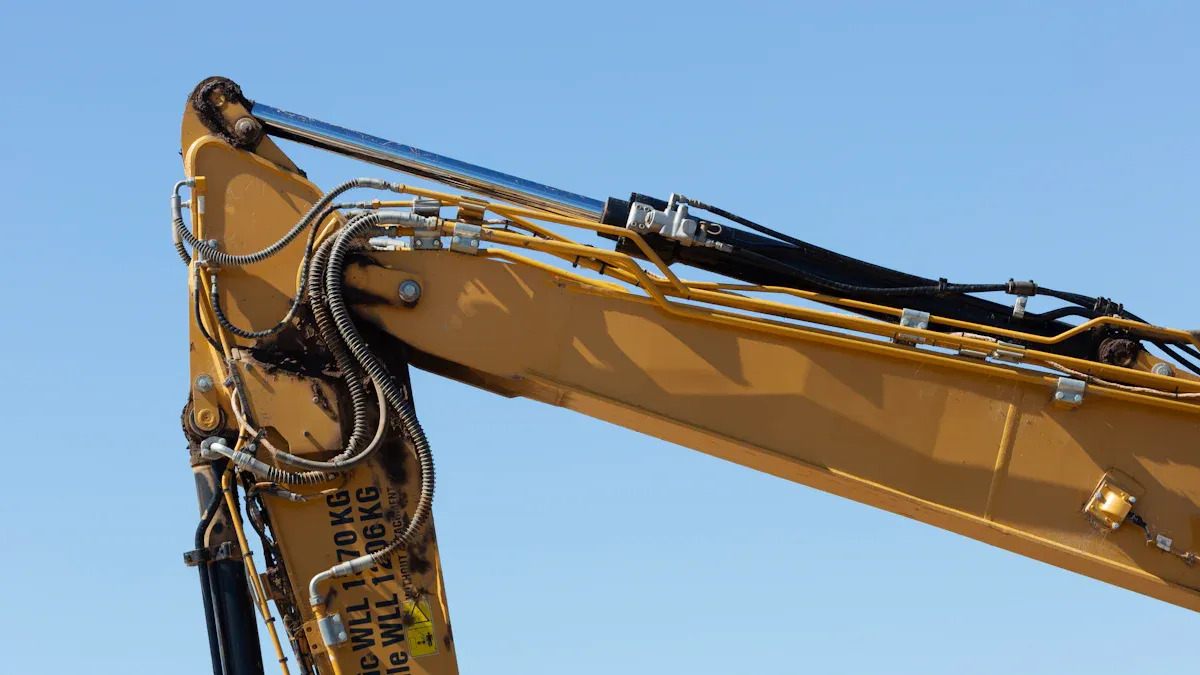
  • Excavators use hydraulic cylinders to control the boom, arm, and bucket.

  • Loaders depend on cylinders for lifting and tilting movements.

  • Bulldozers rely on them for blade control and steering.

  • Cranes use cylinders for lifting and extending booms.

Selecting the right cylinder for your machinery ensures reliable operation and maximizes efficiency. You should consider the working environment, load requirements, and expected duty cycles when choosing a cylinder. The right choice improves safety and extends the life of your equipment.


Piston Hydraulic Cylinder Specs


Bore Size

Bore size stands as one of the most critical specifications for any piston hydraulic cylinder. You determine the force output by the bore diameter, as a larger bore allows the cylinder to exert greater force when subjected to high-pressure fluid. In construction, you often encounter bore sizes ranging from 1 inch to over 24 inches, with heavy-duty applications sometimes requiring even larger diameters. The right bore size ensures your equipment can handle demanding loads without compromising safety or efficiency.


Bore Size Range

Stroke Length Range

Rod Diameter Range

1 inch to over 24 inches

1 inch to over 20 feet

0.5 inches to over 10 inches

You should always match the bore size to your load requirements. Larger bores deliver more power, which is essential for lifting, pushing, or pulling heavy materials on construction sites.


Stroke Length

Stroke length defines how far the hydraulic cylinder piston can travel within the cylinder. This measurement directly affects the operational reach and flexibility of your construction equipment. For example, telescopic hydraulic cylinders provide extended stroke lengths while maintaining a compact form, making them ideal for machinery with limited mounting space. These cylinders use multiple concentric tubular rods that extend under high-pressure fluid, giving you significant reach and adaptability.

  • Telescopic designs maximize reach without increasing overall cylinder size.

  • Extended stroke lengths are crucial for dump trucks, cranes, and other equipment that require high lifting capacity in tight spaces.

  • You gain more flexibility and operational range by selecting the correct stroke length for your application.


Rod Diameter

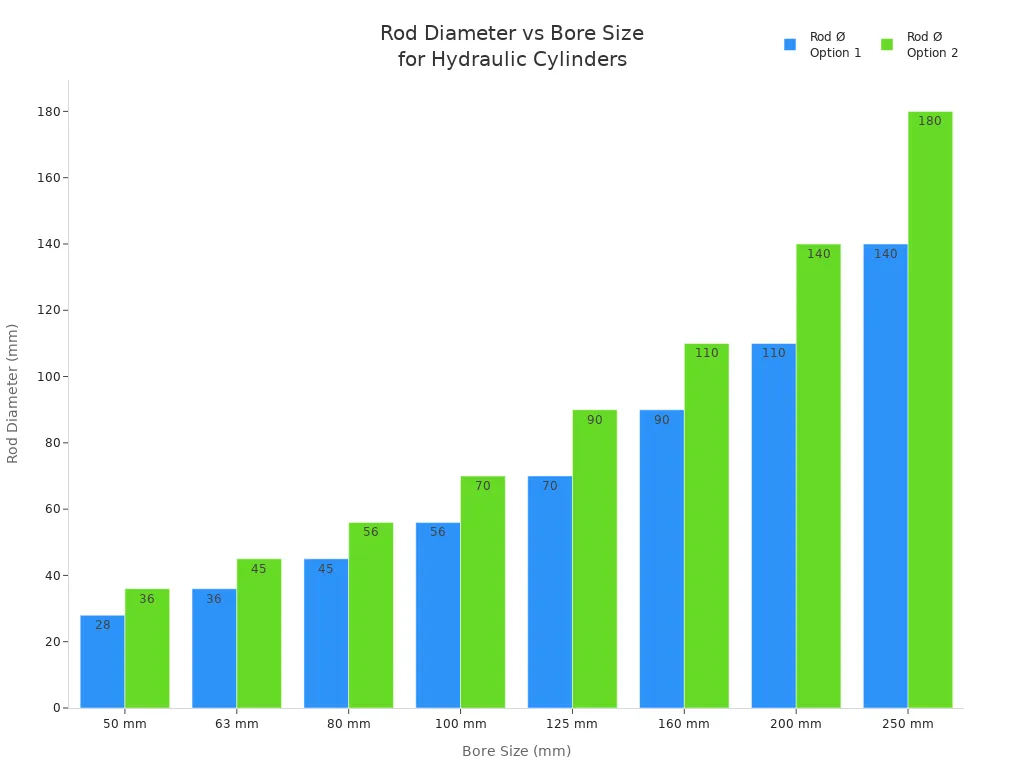
Rod diameter plays a vital role in the strength and stability of the hydraulic cylinder piston. A thicker rod resists bending and buckling under heavy loads, which is especially important in construction environments where high-pressure fluid acts on the piston. The following table shows common rod diameters for various bore sizes:

Bore (mm)

Common Rod Ø (mm)

50

28, 36

63

36, 45

80

45, 56

100

56, 70

125

70, 90

160

90, 110

200

110, 140

250

140, 180

Selecting the right rod diameter ensures your cylinder maintains structural integrity and delivers consistent performance, even under extreme conditions.

Working Pressure

Working pressure defines the maximum force your piston hydraulic cylinder can safely handle. Most construction cylinders operate between 100 and 350 bar (1,450 to 5,075 psi), but specialized applications may require ratings up to 10,000 psi. High-pressure fluid enables your equipment to move heavy loads efficiently. Safety standards demand that cylinders withstand static proof pressures 1.5 times the working pressure and burst pressures four times higher.

Pressure Rating (bar)

Pressure Rating (psi)

Safety Standard Requirements

100 - 350

1,450 - 5,075

Static proof: 1.5×, Burst: 4× or higher

You should always verify that your cylinder meets or exceeds these standards to ensure safe and reliable operation.


Hydraulic Cylinder Piston Materials

Material selection directly impacts the durability and performance of your hydraulic cylinder piston. High-strength alloy steel, such as ST52 or 27SiMn, provides excellent resistance to wear and bending. Induction-hardened, chrome-plated rods offer superior surface hardness, typically reaching HRC 50–60, which enhances impact resistance and longevity. Chrome plating also protects against corrosion from moisture and chemicals, making these rods ideal for harsh construction environments.

  • Induction hardening strengthens the rod surface, improving wear and impact resistance.

  • Chrome plating extends the lifespan of the rod by preventing corrosion.

  • Precision-honed inner bores reduce friction and allow for smooth, jitter-free movement.

You benefit from these advanced materials by experiencing fewer replacements and lower maintenance costs.


Seal Types

Piston seals play a crucial role in maintaining the efficiency and reliability of your hydraulic cylinder piston. Advanced sealing technology prevents high-pressure fluid from leaking past the piston, ensuring consistent force output and smooth operation. Common seal materials include nitrile rubber, polyurethane, and PTFE composites. For extreme temperatures, fluoroelastomers like FKM or FFKM, and spring-energized PTFE seals, provide excellent elasticity and chemical resistance.

  • Low friction seals reduce oil loss and improve fuel efficiency.

  • Engineered sealing systems minimize the risk of hydraulic seal failure.

  • Proper seal selection ensures your cylinder performs reliably in both hot and cold environments.


Mounting Styles

You can choose from several mounting styles for piston hydraulic cylinders, each suited to specific applications. Foot mounts, pivot mounts, and flange mounts are the most common. Flange mounts work best for straight-line force transfer, while cap mounts handle thrust loads effectively. The mounting style affects installation and maintenance. For example, side-mounted cylinders can create turning moments, so you must ensure proper alignment and torque during installation.

Tip: Always select a mounting style that matches your equipment’s force requirements and installation constraints.


Tolerances

Precision in manufacturing tolerances ensures your hydraulic cylinder piston operates smoothly and reliably. Top manufacturers maintain machining tolerances within 0.01mm, which is essential for proper fit and reduced wear. The following table outlines typical tolerances for key operations:

Operation

Purpose

Typical Tolerance

Turning

Initial shaping

±0.05mm

Grinding

Surface finish

±0.01mm

Threading

Connection points

±0.02mm

Boring

Internal features

±0.03mm

Maintaining tight tolerances prevents leaks, ensures proper assembly, and extends the service life of your cylinder. Even minor deviations can alter fluid dynamics and increase wear, so precision is critical.


Custom Options and Advanced Features

Industry leaders like KAIXIN offer custom-built welded hydraulic cylinders tailored to your specific needs. You can select from a wide range of bore sizes, stroke lengths, rod diameters, and mounting styles. KAIXIN’s cylinders feature high-strength alloy steel, induction-hardened chrome-plated rods, and advanced sealing technology. These features guarantee exceptional durability, wear resistance, and reliable performance in construction environments. The cylinders operate efficiently across a broad temperature range, from -20°C to +80°C, making them suitable for outdoor and demanding applications.

Note: Choosing the right hydraulic cylinder piston specs ensures your equipment delivers optimal performance, safety, and longevity on every job site.


Evaluating Specs for Construction


Matching Specs to Application

You must match each cylinder specification to your construction machinery’s unique requirements. Start by considering the working conditions. Dust, moisture, and temperature extremes can damage internal components, so choose cylinders with effective sealing and rod protection. For mobile equipment, select materials and seals that withstand abrasive wear and prevent oil contamination.


Assess the stroking distance and system pressure. Longer strokes and higher pressures increase the risk of buckling, especially in single-acting cylinders. Double-acting cylinders offer better control for applications needing precise movement in both directions. Evaluate the temperature range your equipment will face. Extreme heat or cold affects oil viscosity and seal elasticity, so select cylinders with suitable seal materials and corrosion-resistant finishes.


Think about the speed and cycle rate. High-speed operations generate more heat and friction, which can impact performance. Single-acting cylinders often suit applications with simple, one-way motion, while double-acting cylinders excel in repetitive, high-cycle environments. Always define your load direction, installation space, and pressure needs before making a choice.

Tip: Custom-built and OEM cylinder options from KAIXIN allow you to tailor bore size, rod diameter, and mounting style for your specific machinery and environment.


Practical Selection Checklist

Follow these steps to select the right piston hydraulic cylinder for your construction equipment:

  1. Define your application requirements. Identify the function, load, travel distance, speed, cycle rate, environment, available space, and system pressure.

  2. Calculate key parameters. Determine the required force, bore size, rod diameter, speed, and stroke length for your single-acting or double-acting cylinder.

  3. Select mounting style and construction features. Choose the mounting style, seals, and materials that best fit your application. Consider advanced features for harsh environments.

  4. Verify and document your selection. Double-check all calculations and ensure the cylinder fits your available space. Keep a record for future reference.


A well-chosen hydraulic cylinder improves performance, reduces downtime, and lowers total ownership costs. Proper maintenance and high-quality filtration extend service life, especially for single-acting and double-acting cylinders in demanding construction settings.


You gain significant advantages by understanding piston hydraulic cylinder specs for construction. The table below highlights key benefits:

Benefit

Description

Standardization

Ensures compatibility and interchangeability of hydraulic cylinders across different manufacturers.

Defined Specifications

Provides clear guidelines on mounting dimensions and overall envelope sizes, reducing errors in construction.

Flexibility in Design

Allows manufacturers to customize components while adhering to ISO standards, enhancing functionality.

Selecting the right specs improves reliability and operational efficiency. You prevent failures, match seals to the job, and use materials that boost performance. Use the checklist and explore custom solutions for unique needs.


FAQ

What is the main advantage of using high-strength alloy steel in hydraulic cylinders?

High-strength alloy steel gives you better durability and resistance to wear. You can rely on these cylinders for heavy-duty construction work. This material helps your equipment last longer and perform more reliably.

How does induction-hardened chrome plating benefit the piston rod?

Induction-hardened chrome plating increases surface hardness. You get improved resistance to impact and corrosion. This feature helps your hydraulic cylinder work smoothly in harsh environments.

Why should you care about advanced sealing technology?

Advanced sealing technology prevents leaks and keeps contaminants out. You maintain consistent pressure and reduce maintenance needs. This technology helps your equipment run efficiently and safely.

Can you use these hydraulic cylinders in extreme temperatures?

Yes, you can use these cylinders in temperatures from -20°C to +80°C. This wide range lets you operate your machinery outdoors or in tough industrial settings without performance loss.

What custom options does KAIXIN offer for construction machinery?

KAIXIN offers custom-built welded hydraulic cylinders. You can choose bore size, stroke length, rod diameter, and mounting style. These options help you match the cylinder to your specific machinery and application needs.

What Is a Lift Cylinder and How Does It Work


A lift cylinder uses hydraulic power to move heavy things up and down. You can see lift cylinders in many places like farms, building sites, and recycling plants. These cylinders help machines lift, push, or hold equipment. People use hydraulic lift systems in factories, big machines, and moving machines.


Lift Cylinder Overview

What Is a Lift Cylinder

A lift cylinder helps move heavy things up or down. This tool is very strong and is used in many machines. It works by using hydraulic power to make things move. You can find it in machines that need to lift, push, or hold big items. The cylinder is shaped like a metal tube with a rod that slides in and out. When you use a hydraulic lift, it moves smoothly and with a lot of strength.


If you look at a telescopic hydraulic lift cylinder for dump truck and compare it to other actuators, you will see it can make much more force. Here is a table that shows how much force different actuators can make:

Actuator Type

Force Output Capability

Hydraulic Cylinders

Extremely high forces because of high pressure (1800 to 5000 psi). Smaller cylinders can make big forces (like 15,000 lbf to 43,000 lbf).

Electric Actuators

Can make strong forces but need careful sizing. They may not reach very high forces unless made bigger. Force comes right away from the servo motor.


Hydraulic Lift Cylinder Function

A hydraulic lift cylinder changes hydraulic energy into straight-line movement. You see this when a machine arm lifts something or a platform goes up. The cylinder uses pressurized fluid to push a piston inside the tube. This makes the rod move out or pull back in. You get strong and steady movement every time.

Here are the main jobs of a hydraulic lift cylinder:

  • It turns hydraulic energy into movement.

  • It makes straight force and motion.

  • It helps lift or move heavy things in many jobs.


You can count on a hydraulic lift to work smoothly and be very efficient. If you compare different lifting systems, you will see hydraulic lifts are best for heavy lifting and working all the time. Here is a table that compares hydraulic lifts and mechanical lifts:

Lift Type

Efficiency Characteristics

Performance Characteristics

Hydraulic Lifts

Very efficient for lifting heavy things and moving smoothly.

Great for heavy lifting and working all the time.

Mechanical Lifts

Work well for lighter loads and careful tasks.

Good for steady and exact movements.


A hydraulic lift cylinder gives you the strength and dependability you need for hard work.


Lift Cylinder: How Does It Work

Hydraulic Cylinder Operation

You might ask, "how does it work" when you see a lift cylinder. The answer is easy. A hydraulic lift cylinder uses pressurized oil to make straight movement. This movement lets you lift heavy things without much effort.

Here is how a hydraulic cylinder works step by step:

  1. The hydraulic pump takes oil from a tank and pushes it into the cylinder barrel.

  2. The oil goes into one side of the cylinder and pushes the piston.

  3. The piston moves and pushes the piston rod out.

  4. The piston rod moves what is attached, like a platform or machine arm.

  5. When you want to lower the load, the oil goes back to the tank, and the piston returns to its first position.

Tip: The way the cylinder moves depends on how much oil and pressure you use. Valves help control where the oil goes, so you can lift or lower things smoothly.

You see hydraulic lift cylinders in many hydraulic lift systems. These systems use hydraulic actuators to move things up and down. The main job is to turn hydraulic pressure into useful work, like lifting or pushing. This is why you find hydraulic lift cylinders in machines that handle heavy loads.


Single-Acting vs. Double-Acting

Not all hydraulic lift cylinders work the same way. There are two main types: single-acting and double-acting. Each type moves and controls the lift in its own way.

Feature

Single-Acting

Double-Acting

Fluid Ports

Single port for oil entry

Two ports for oil entry and exit

Operation

Unidirectional extension only

Bi-directional extension and retraction

Retraction Mechanism

Relies on external forces (spring, gravity)

Uses pressurized oil for both extension and retraction

Complexity

Simpler design, lower cost

More complex design, higher cost

Control

Limited control over retraction speed

Precise control over both extension and retraction

  • Single acting telescopic cylinders have one port for oil. The oil pushes the piston out, and the rod extends. To bring the rod back, you need something else, like a spring or gravity. This type is simple and easy to use. You see it where you only need to lift or push in one direction.

  • Double-acting hydraulic lift cylinders have two ports. Oil can go on either side of the piston. This lets you extend and retract the rod with hydraulic power. You get more control over the movement. This type is good when you need to lift and lower with care.

Note: Double-acting cylinders are faster and stronger. They use less energy and give you better control. Single-acting cylinders cost less and are easier to take care of, but they only move in one direction.

Pick the right type for your job. If you need to lift and lower heavy things with control, a double-acting hydraulic lift cylinder is best. If you only need to lift or push one way, a single-acting cylinder works well.

Hydraulic systems use both types of hydraulic actuators. You see them in many machines, like construction equipment and factory lifts. Each type helps you move heavy things safely and easily.


Hydraulic Lift Cylinder Components


Cylinder Barrel

You can think of the cylinder barrel as the main body of a hydraulic lift cylinder. It holds the pressure and keeps everything in place during operation. Most barrels use strong materials like steel or special alloys. These materials help the barrel handle high pressure and heavy loads. The inside of the barrel is very smooth. This smooth surface lets the piston move easily and keeps the hydraulic lift working well. Some barrels have coatings that stop rust and wear, so your hydraulic system lasts longer.

Tip: If you want your hydraulic lift to last for many years, check the barrel for damage and keep it clean.


Piston and Rod

The piston and rod work together to move things in a hydraulic lift. The piston sits inside the barrel and splits it into two parts. When hydraulic fluid enters, it pushes the piston, which makes the rod move out or in. The rod connects the hydraulic actuator to the machine part that needs to lift or push. If you use a larger rod, you get less force when pulling. A smaller rod gives you more force. The size of the rod and the length it moves (stroke length) can change how much weight your hydraulic lift can handle. You need to pick the right size for your application.

  • The piston takes the force from the hydraulic fluid.

  • The rod moves through the cylinder head and connects to the machine.

  • The stroke length and rod size affect how much you can lift.


Seals and Ports

Seals and ports keep your 40 ton telescopic hydraulic lift cylinder working without leaks. Seals stop oil from escaping and block dirt from getting inside. You find different types of seals in a hydraulic cylinder:

  1. Piston seals keep oil from leaking between the piston and barrel.

  2. Rod seals stop oil from leaking where the rod comes out.

  3. Wiper seals clean the rod as it moves, keeping dirt out.

  4. O-ring seals make tight seals between parts that do not move.

Seal Type

Function

Material Options

Rod Seals

Prevent leakage between rod and cylinder head

Polyurethane, Rubber, PTFE

Piston Seals

Seal space between piston and cylinder bore

Polyurethane, Rubber, PTFE

Wiper Seals

Scrape dirt from the piston rod

Rubber, Polyurethane, Thermoplastic

O-ring Seals

Seal between parts that do not move

Rubber, PTFE


Ports are the openings where hydraulic fluid enters and leaves the cylinder. Good seals and ports help your hydraulic lift systems work smoothly and safely. If you keep these parts in good shape, your hydraulic actuators will last longer and handle heavy loads without trouble.


Types and Applications of Hydraulic Cylinders

Common Hydraulic Cylinder Types

There are different hydraulic cylinder types for many machines. Each type is made for a certain job. Here are some common types you might find:

  • Welded cylinders are small and fit in tight spaces. They can handle high pressure without breaking.

  • Tie-rod cylinders are strong and support heavy loads. You often see them in big factory machines.

  • Telescopic cylinders are good for long strokes in small spaces. These work well in dump trucks and some lifts.

You should also know about single-acting and double-acting cylinders. Single-acting cylinders only move one way. They use gravity or springs to go back. You see these in jacks, lifting tools, and some car brakes. Double-acting cylinders move both ways. They give you more control and are used in machines that need careful movement, like molding machines.


Hydraulic Lift Uses in Machinery

Hydraulic lift cylinders are important in many machines. In aerial lifts, you see them in scissor lifts and boom lifts. Scissor lifts use a special system to lift people or tools up high. You find these lifts in factories and on building sites. Boom lifts use hydraulic cylinders to move the arm and platform. They help you reach hard places and keep the platform steady.

Hydraulic boom lifts move smoothly and are easy to control. You can use them for many jobs, like building or fixing things.

In building work, hydraulic cylinders help move heavy things. You see them in excavators, loaders, and bulldozers. They lift, tilt, and move buckets, blades, and arms. In car shops, hydraulic lift cylinders raise cars and trucks. This helps you work safely under the car. These cylinders also help dump trucks unload heavy stuff.

Hydraulic cylinders are used in many fields. You can trust hydraulic systems to lift, move, and control heavy machines every day.


You count on hydraulic lift cylinders to lift things easily.

  • They use pressurized fluid to move heavy stuff safely.

  • There are different types for each job, like aerial lifts or excavators.

  • New smart features help make machines safer and work better.

Main Part

What It Does

Pump

Sends fluid to make lifting power

Cylinder

Pushes the piston and rod to lift things

Reservoir

Holds the hydraulic fluid

Control Valve

Guides fluid for smooth, careful movement

Doing regular checks keeps your machines safe and ready to use.

Which Hydraulic Lift Cylinder Wins for Your Needs

You probably wonder which hydraulic lift cylinder suits your needs best. Most users choose double-acting cylinders, which make up nearly 70% of the market, while single-acting cylinders serve about 30% of hydraulic systems. Double-acting cylinders use hydraulic force for both extension and retraction, while single-acting cylinders rely on hydraulic force for one direction only. You see these cylinders in construction, manufacturing, agriculture, and other industries. Kaixin Electromechanical stands as a trusted provider, helping you select the right cylinder for your specific application.


Key Takeaways

  • Single-acting hydraulic cylinders are cost-effective and ideal for simple tasks requiring force in one direction.

  • Double-acting hydraulic cylinders provide faster operation and precise control, making them suitable for complex and demanding applications.

  • Evaluate your load and frequency needs to choose the right cylinder type for your specific tasks.

  • Regular maintenance is crucial for both cylinder types to ensure reliability and prevent mechanical issues.

  • Consult experts like Kaixin Electromechanical for tailored advice and support in selecting the best hydraulic lift cylinder.


Single-Acting Hydraulic Cylinders

Double Clevis Rod End Hydraulic Cylinder

Advantages of Single-Acting Cylinders

You gain several benefits when you choose single-acting hydraulic cylinders. Their design is simple and easy to understand. You find these cylinders compact and space-saving, which helps when you work in tight areas. You save money because they are cost-effective. You often see them used in mobile equipment.

Single-acting hydraulic cylinders operate with minimal energy input. You use less power for tasks that require force in one direction. This makes them more energy-efficient compared to double-acting cylinders, especially during lifting or pressing jobs.
Single-acting hydraulic cylinders reduce the chance of mechanical failures. You spend less time and money on maintenance. Their straightforward design makes them reliable for many applications.

  • Simple and easy-to-understand design

  • Compact and space-saving build

  • Cost-effective

  • Ideal for mobile equipment


Drawbacks of Single-Acting Cylinders

You should know the limitations before you select single-acting hydraulic cylinders. The spring inside takes up much space and leaves you with a limited working area. You get reduced thrust because the spring pushes against the hydraulic force. Over time, the piston stroke becomes inconsistent as the spring wears out. You must prepare compressed air for some models.
You may also face mechanical issues:

  • Rod bending

  • Scoring or uneven wear

  • Premature seal failure

These drawbacks can affect performance and reliability. You need to check your application requirements before you decide.


Best Uses for Single-Acting Cylinders

You use single-acting hydraulic cylinders in jobs that require movement in one direction. They work well for lifting, pressing, or clamping tasks. You see them in manufacturing and construction because they fit these needs.
Here is where you find single-acting hydraulic cylinders most often:

Industry

Applications

Manufacturing

Presses, Injection molding machines, Material handling equipment

Construction

Excavators, Dump trucks, Cranes

You choose single acting hydraulic cylinder for simple, repetitive tasks. You benefit from their energy efficiency and low maintenance. If you need a cylinder for one-way movement, single-acting hydraulic cylinders offer a practical solution.


Double-Acting Hydraulic Cylinders

Advantages of Double-Acting Cylinders

You gain several performance benefits when you choose double-acting hydraulic cylinders. These cylinders exert force in both directions, which means you complete tasks faster. Hydraulic fluid acts on both sides of the piston, so you experience quicker extension and retraction. This feature increases productivity and helps you finish jobs efficiently. You also enjoy higher efficiency and more precise control over load movement.

Double-acting hydraulic cylinders deliver consistent and uniform force throughout the stroke. You notice smooth operation, even during demanding tasks. Superior control over piston rod movement allows you to position loads with accuracy. You find these cylinders versatile, as they perform multiple tasks across industries.
You rely on double-acting hydraulic cylinders for controlled and flexible operations. Their advanced performance supports precision applications, making them valuable in manufacturing and construction.

  • Faster cycle times

  • Precise positioning

  • Smooth and consistent force delivery

  • Versatile for many tasks


Drawbacks of Double-Acting Cylinders

You should consider some drawbacks before you select double-acting hydraulic cylinders. Leaking seals can cause loss of hydraulic fluid and reduce efficiency. Sticking pistons may result from contamination, which affects smooth operation. Overheating can damage internal components if you apply excessive pressure or lack proper lubrication.
You might encounter uneven movement due to misalignment or wear. Slow operation can occur if you have low pressure or internal leaks. These issues require regular maintenance and careful monitoring.

  • Leaking seals

  • Sticking pistons

  • Overheating

  • Uneven movement

  • Slow operation


Best Uses for Double-Acting Cylinders

You see double-acting hydraulic cylinders in many sectors and machinery types. Agriculture, construction, industrial recycling, waste handling, oil and gas, and mining all rely on these cylinders. You find them in dump trucks, drill rigs, balers, excavators, aerial lifts, and tractors.

Double-acting hydraulic cylinders excel in applications that demand precise control and rapid movement. You use them in manufacturing and construction for tasks that require bidirectional force and accurate positioning.
You choose double-acting hydraulic cylinders when you need versatility and reliability in demanding environments.


Hydraulic Lift Cylinder Comparison

High Lift Double Piston Hydraulic Cylinder for Dump Truck

Pros and Cons Table

You can quickly see the differences between single-acting and double-acting hydraulic lift cylinders in the table below. This performance comparison helps you decide which cylinder fits your needs.

Cylinder Type

Pros

Cons

Best Uses

Single-Acting

Lower cost, simple design, fewer parts, reliable for basic tasks

Limited movement, slower operation, less control, spring wear

Lifting, pressing, clamping, simple machinery

Double-Acting

Faster cycles, precise control, versatile, consistent force

Higher cost, more maintenance, more points of failure

Heavy-duty equipment, rapid movement, precision tasks

You notice that single-acting cylinders cost less to manufacture, install, and repair. Their simple design means fewer parts can fail. Double-acting cylinders cost more because they have extra components and complexity. You benefit from faster extension and retraction with double-acting cylinders, which boosts productivity.

Single-acting cylinders may last longer in simple applications because they have fewer parts that wear out. Double-acting cylinders offer greater efficiency and speed, especially in demanding environments.


Application Suitability

You need to match the right hydraulic lift cylinder to your job. Single-acting cylinders work best for tasks that require force in one direction. You use them for lifting, pressing, or clamping. Their reliability and low maintenance make them ideal for simple, repetitive operations.

Double-acting cylinders suit jobs that demand speed and precision. You choose them for heavy-duty equipment, rapid movement, and tasks that need accurate positioning. Their versatility lets you handle complex operations in construction, manufacturing, and agriculture.

  • Single-acting hydraulic lift cylinder: Best for basic, one-way movement and cost-sensitive projects.

  • Double-acting hydraulic lift cylinder: Best for high-speed, precision, and multi-directional tasks.

You make your decision based on the comparison of cost, efficiency, and lifespan. You select the cylinder that matches your workload and control needs.


Choosing the Right Hydraulic Lift Cylinder

Assessing Load and Frequency

You start by evaluating the load and frequency of your application. The weight and movement cycles of your equipment determine which cylinder type fits best. If you need a hydraulic lift cylinder for tasks where holding a load is critical, single-acting cylinders offer a cost-effective solution. You benefit from their simple design and reliability. When your operation demands fast cycle times or frequent directional changes, double-acting cylinders deliver superior performance. You experience consistent force and precise control, which is essential for high-volume or automated systems.

  • Single-acting cylinders excel in applications with critical load holding.

  • Double-acting cylinders suit tasks with frequent movement and rapid cycles.

  • You choose based on how often you operate the cylinder and the weight you need to move.


Control and Precision Needs

You consider the level of control and precision required for your job. Double-acting hydraulic lift cylinders allow you to apply hydraulic fluid on both sides of the piston. This gives you direct control over extension and retraction. You achieve smooth and accurate movement, which is vital for positioning systems and industrial presses. Single-acting cylinders only exert force in one direction. You rely on external forces for retraction, which limits their versatility. Double-acting cylinders have two connection ports, enabling controlled movement and force in both directions. You select them for applications that demand precise load handling and consistent performance.

Tip: For jobs that require exact positioning or smooth transitions, double-acting cylinders provide the best results. Single-acting cylinders work well for simpler tasks where precision is less important.

You also review system design requirements. You match force requirements to the load weight and friction. You check stroke length to ensure the cylinder fits your space and provides the needed travel. You verify operating pressure to handle spikes and maintain safety. You choose mounting configurations that align and distribute loads properly. You select rod size and seal materials to prevent leaks and resist wear.


Budget and Maintenance Factors

You weigh the initial purchase cost and long-term maintenance expenses. Single-acting cylinders cost less to buy and maintain. Their simple design means fewer parts and fewer potential failure points. Spring return types may face spring fatigue, so you monitor them for wear. Double-acting cylinders cost more upfront and require more maintenance. You focus on piston seal wear due to their complex bidirectional sealing.

Cylinder Type

Initial Purchase Cost

Maintenance Costs

Single-Acting

Lower

Lower

Double-Acting

Higher

Higher

You also consider environmental factors. High temperatures reduce hydraulic fluid viscosity, causing increased wear. Low temperatures thicken fluids, making flow and lubrication difficult. Humidity can lead to corrosion and contamination, which affects system performance. You plan for these conditions to extend cylinder life and reduce downtime.

  • Single-acting cylinders have fewer parts and lower maintenance needs.

  • Double-acting cylinders require regular seal checks and more frequent servicing.


Kaixin Electromechanical Advice

You avoid common mistakes by following expert recommendations. Kaixin Electromechanical suggests you specify the piston rod diameter correctly to prevent stress and failure. You prevent rod bending in long-stroke cylinders by choosing the right configuration. You ensure the piston does not bottom out to avoid impact loads. You balance bore diameter and operating pressure for cost-effective design. You add a safety factor to account for real-world conditions. You match seals to the job to minimize maintenance and downtime. You select materials that suit your environment and application.

Kaixin Electromechanical recommends integrating smart technologies for real-time monitoring and control. You benefit from enhanced energy efficiency and customization options. You choose cylinders that support automation and intelligent machinery to improve productivity and reduce costs.

You also review warranty and support options. Manufacturers like Carlson Hydraulics offer a 2-year limited warranty and direct engineering support. You gain quick responsiveness and effective problem-solving, which is important for minimizing downtime.

You follow these steps to match the right hydraulic lift cylinder to your needs:

  1. Assess load and frequency requirements.

  2. Determine control and precision needs.

  3. Evaluate budget and maintenance factors.

  4. Consult Kaixin Electromechanical for expert advice and support.

You make an informed decision by considering all these factors. You select the cylinder that delivers reliable performance, fits your budget, and meets your operational demands.


You now understand the main differences between single-acting and double-acting hydraulic cylinders. Review the table below to match your needs:

Feature

Single-Acting Cylinders

Double-Acting Cylinders

Complexity

Simpler design

More complex design

Direction of Force

One direction

Both directions

Efficiency

Good for simple jobs

High efficiency and precision

Applications

Light industrial, agriculture

Construction, heavy manufacturing

Cost

Less expensive

More expensive

Use Cases

Dump trucks, vacuum bodies

Elevators, forklifts, robotics

For expert results, always choose quality. Kaixin Electromechanical recommends:

  • Never compromise on cylinder quality.

  • Avoid common mistakes like poor assembly or skipping maintenance.

Contact Kaixin Electromechanical for guidance and select the best hydraulic lift cylinder for your project.


FAQ

What is the main difference between single-acting and double-acting hydraulic cylinders?

You use single-acting cylinders for force in one direction. Double-acting cylinders provide force in both directions. Double-acting types give you more control and speed.

How do I know which cylinder type fits my application?

You check your task needs. If you need simple, one-way movement, choose single-acting. For fast, precise, or two-way movement, pick double-acting.

How often should I maintain my hydraulic lift cylinder?

You should inspect seals and moving parts every three to six months. Regular checks help you prevent leaks and extend cylinder life.

Can I replace a single-acting cylinder with a double-acting one?

You can, but you must check system compatibility. Double-acting cylinders need extra hydraulic lines and controls. Always consult a professional before making changes.

Why Choose Big Piston Hydraulic Cylinder for Excavators

You demand more power and reliability from your excavator. A big piston hydraulic cylinder delivers superior force, allowing your machine to tackle heavy-duty tasks with confidence. With advanced engineering, you experience increased durability and efficiency in every operation. For example, the KAIXIN 4600mm Long 200mm Rod model sets a new standard in performance, helping you achieve consistent results in tough environments.


Key Takeaways

  • A big piston hydraulic cylinder provides increased force output, allowing excavators to handle heavier loads with ease.

  • Enhanced lifting capacity improves productivity and control, making it easier to tackle larger payloads and reach greater heights.

  • Premium materials and construction reduce wear and extend service life, minimizing maintenance costs and downtime.

  • Efficient design features lead to lower fuel consumption, improving overall operating expenses and contributing to environmental sustainability.

  • Versatile mounting options allow for easy adaptation to various machinery, streamlining maintenance and reducing inventory costs.


Power & Performance of Big Piston Hydraulic Cylinder


4600Mm Long Hydraulic Cylinder


Increased Force Output

You need maximum force when operating an excavator in demanding conditions. A big piston hydraulic cylinder gives you a significant advantage. The larger piston area translates directly into greater linear force, which means you can move heavier loads with ease. This force output is essential for tasks such as breaking ground, lifting debris, or handling oversized materials.

Consider the KAIXIN 4600mm Long 200mm Rod model. This boom cylinder features a robust design that maximizes force delivery. The 200mm rod diameter and 4600mm length allow you to generate powerful thrust, making your excavator more effective in every application. You benefit from consistent performance, even when working with dense soil or rocky terrain.

Tip: When you choose a big piston hydraulic cylinder, you increase your machine's ability to handle tough jobs without sacrificing speed or efficiency.


Enhanced Lifting for Excavator

Lifting capacity defines the productivity of your excavator. A big piston hydraulic cylinder improves lifting performance by providing stable and reliable movement. You can raise and lower the boom cylinder smoothly, which helps you maintain control during critical operations.


The KAIXIN model stands out as a high-performance hydraulic cylinder. You experience enhanced lifting power, allowing your excavator to tackle larger payloads and reach greater heights. The advanced engineering ensures that the cylinder maintains constant speed force, so you avoid jerky or uneven movements.

  • You achieve better results in heavy-duty excavation.

  • You reduce the risk of equipment strain or failure.

  • You optimize your workflow with dependable lifting action.

A big piston hydraulic cylinder transforms your excavator into a more capable and efficient machine. You gain the confidence to take on challenging projects, knowing your equipment delivers superior power and performance.


Durability & Reliability in Hydraulic Cylinder for Excavator


Premium Materials & Construction

You want your excavator to perform at its best, even in the toughest environments. The right hydraulic cylinder for excavator starts with premium materials. Manufacturers use high-grade steel such as ST52 and 27SiMn to create a strong and resilient structure. These materials resist bending and cracking, which helps you avoid unexpected downtime.


When you choose a hydraulic cylinder built with these materials, you invest in long-term performance. The KAIXIN model, for example, uses a combination of ST52, 27SiMn, and 16Mn. This blend gives you a cylinder that stands up to heavy loads and harsh conditions. You get a product that meets international standards, so you can trust its quality and safety.

Note: High-quality construction not only boosts performance but also plays a key role in preventing failure during demanding operations.


Reduced Wear, Longer Service

You need equipment that lasts. Advanced design features help reduce wear and extend the service life of your hydraulic cylinder. Low friction seals are a critical component. These seals minimize internal resistance, which means less heat and less wear on moving parts. You benefit from smoother operation and fewer maintenance issues.

A reliable hydraulic cylinder also helps you address common causes of cylinder failure. By using robust seals and precision engineering, you lower the risk of leaks and breakdowns. This focus on durability means you spend less time on repairs and more time getting the job done.

  • Enjoy longer service intervals.

  • Reduce your maintenance costs.

  • Improve overall equipment safety.

When you invest in a well-built hydraulic cylinder, you protect your machine and your bottom line. You gain peace of mind, knowing your equipment is ready for any challenge.


Efficiency & Cost Savings with Cylinder for Excavator


Lower Maintenance Needs

You want your excavator to operate smoothly with minimal interruptions. A cylinder for excavator designed with advanced engineering reduces maintenance demands. High-quality seals and precision-machined surfaces prevent oil leaks and keep contaminants out. You avoid unnecessary downtime and extend the life of your equipment. When you follow best practices for maintaining your compact excavator, you protect your investment and ensure consistent performance.

Tip: Regularly check oil levels and use high-quality hydraulic oil. This simple habit helps you prevent failure and maintain optimal efficiency.


Selecting the right replacement cylinder also plays a crucial role in minimizing maintenance. You benefit from robust construction and reliable components. The KAIXIN cylinder for excavator offers a one-year warranty, giving you peace of mind and reducing unexpected repair costs. Customization options allow you to match your equipment’s specifications, which further streamlines maintenance routines.

  • Fewer breakdowns mean more productive workdays.

  • Reduced maintenance costs improve your bottom line.

  • Enhanced safety protects both operators and machinery.


Improved Fuel Efficiency

You strive for lower operating expenses. Efficient hydraulic cylinders help your excavator use less fuel. Low friction seals and smooth internal surfaces reduce resistance, so the engine works less to move oil through the system. This design feature translates into improved fuel efficiency and reduced emissions.

When you use best practices for fluid maintenance, you keep oil clean and free from debris. Clean oil ensures the cylinder for excavator operates at peak performance. You notice smoother movements and faster cycle times. The KAIXIN model’s engineering supports these benefits, making your excavator more cost-effective.

Note: Efficient cylinders not only save fuel but also contribute to environmental sustainability.

You gain a competitive edge by investing in equipment that delivers both performance and savings. The right cylinder for excavator helps you maximize productivity while minimizing maintenance and fuel costs.


Application Fit for Excavator & Modern Machinery


Heavy-Duty Excavation Uses

You operate in environments where strength and reliability matter most. The big piston hydraulic cylinder for excavator stands out as a critical component for heavy-duty applications. You rely on this cylinder for excavator to deliver consistent performance in loaders, skid steers, and excavators. The robust design of the boom cylinder enables you to handle demanding tasks such as digging, lifting, and moving large volumes of material. You experience enhanced control over the excavator hydraulic arm, which improves your productivity and safety.

When you choose a high-quality boom cylinder, you gain the confidence to tackle challenging projects. You avoid unnecessary downtime and maximize your machine's output. The KAIXIN model supports your operations with premium materials and advanced engineering.

You notice that the cylinder for excavator integrates seamlessly with other excavator parts. This compatibility ensures that your equipment operates efficiently, even under extreme conditions. You benefit from a system that maintains optimal oil flow, which protects your machinery and extends its service life.


Versatile Mounting & Compatibility

You value flexibility in your equipment. The big piston hydraulic cylinder offers versatile mounting options, allowing you to install it on a wide range of machinery. You adapt the cylinder for excavator to fit loaders, skid steers, and excavators without hassle. The design accommodates various installation requirements, so you customize your setup to match your operational needs.

  • You select mounting configurations that suit your specific application.

  • You streamline maintenance by choosing cylinders that fit multiple machines.

  • You reduce inventory costs by using compatible components across your fleet.


You appreciate that the boom cylinder supports efficient oil management. This feature helps you maintain consistent performance and reduces the risk of leaks. You ensure that your excavator hydraulic arm operates smoothly, which enhances your workflow and minimizes interruptions.

Tip: Versatile mounting and compatibility make your equipment more adaptable. You respond quickly to changing job requirements and keep your operations running efficiently.


Comparing Big Piston Hydraulic Cylinder vs Standard Types


Piston Hydraulic Cylinder


Key Differences in Performance

You notice a clear distinction when you compare a big piston hydraulic cylinder to standard types. The big piston design delivers greater force and stability. You gain more power for your excavator, which means you can handle heavier loads and tougher materials. Standard cylinders often struggle with demanding tasks, but the big piston hydraulic cylinder excels in these situations.


Here are the main differences you experience:

  • Force Output: The big piston hydraulic cylinder generates higher linear force. You move larger volumes of material with less effort.

  • Durability: Premium materials like ST52 and 27SiMn resist wear and bending. You avoid frequent replacements and reduce downtime.

  • Efficiency: Low friction seals and advanced engineering minimize oil loss. You achieve smoother operation and improved fuel efficiency.

  • Lifting Capacity: The boom cylinder in a big piston design supports greater payloads. You lift and lower with precision and confidence.

Note: You maximize productivity and safety by choosing a big piston hydraulic cylinder. You reduce maintenance needs and extend the service life of your equipment.


The table below highlights the differences:

Feature

Big Piston Hydraulic Cylinder

Standard Cylinder

Force Output

High

Moderate

Durability

Exceptional

Average

Efficiency

Superior

Standard

Lifting Capacity

Enhanced

Limited

Oil Management

Optimized

Basic

Boom Cylinder Strength

Robust

Conventional


Real-World Examples & Results

You see the benefits in real-world applications. The KAIXIN 4600mm Long 200mm Rod model stands out as a prime example. You install this boom cylinder on your excavator and immediately notice improved performance. The robust rod diameter and length allow you to tackle heavy-duty excavation projects with ease.

You experience:

  • Consistent force output, even under extreme loads.

  • Smooth oil flow, which keeps your hydraulic cylinder operating efficiently.

  • Reliable lifting action, thanks to advanced boom cylinder engineering.

Tip: You choose the KAIXIN model for its proven track record in loaders, skid steers, and excavators. You trust its premium materials and international quality standards.

You achieve longer service intervals and lower maintenance costs. You reduce fuel consumption because the cylinder minimizes internal resistance. You adapt the cylinder to various machines, making your fleet more versatile and productive.


You gain unmatched power, reliability, and efficiency when you select a big piston hydraulic cylinder for your excavator. Models like KAIXIN help you maximize equipment performance and long-term value. You improve excavator safety and protect your investment with advanced engineering and premium materials. Consider these cylinders to elevate your workflow and ensure safety on every job. Reach out for expert guidance and discover the best solution for your machinery needs.


FAQ

What makes a big piston hydraulic cylinder better for excavators?

You get higher force output and improved lifting capacity. The larger piston area allows your excavator to handle heavier loads with ease. This upgrade boosts your machine’s productivity and reliability.


Can I customize the KAIXIN hydraulic cylinder for my equipment?

Yes, you can request custom colors and specifications. KAIXIN offers flexible options to match your operational needs. You ensure the cylinder fits perfectly with your machinery.


How does a big piston hydraulic cylinder reduce maintenance costs?

Low friction seals and premium materials minimize wear. You experience fewer breakdowns and longer service intervals. This design helps you save on repairs and downtime.

Is the KAIXIN cylinder compatible with different types of machinery?

You can install the KAIXIN cylinder on loaders, skid steers, and excavators. The versatile mounting options make it easy to adapt to various equipment in your fleet.


What warranty does the KAIXIN hydraulic cylinder offer?

Model

Warranty Period

KAIXIN

1 Year

You receive a one-year warranty, which gives you peace of mind and confidence in your investment.

Why the 1500 Stroke Hydraulic Cylinder Prevents Common Failures

You demand reliability when handling heavy lifting, pushing, or precise positioning in industrial and agricultural equipment. The 1500 Stroke Hydraulic Cylinder from KAIXIN stands out by addressing top causes of failure like seal breakdown, corrosion, and fluid contamination. Advanced sealing systems, robust steel construction, and customizable options ensure optimal performance even in harsh environments. Engineers value these features for preventing downtime and reducing maintenance costs, making this cylinder an essential solution for critical operations.


Key Takeaways

  • The KAIXIN 1500 stroke hydraulic cylinder features an advanced sealing system that prevents leaks and reduces costly repairs.

  • An optimized stroke-to-diameter ratio enhances stability, preventing rod bending and ensuring reliable performance under heavy loads.

  • High-quality steel construction provides excellent resistance to corrosion and wear, extending the service life of the hydraulic cylinder.

  • Customization options allow you to tailor the cylinder to your specific needs, improving compatibility and installation efficiency.

  • Longer service intervals and fewer breakdowns lead to significant cost savings and increased productivity in your operations.


Preventing Hydraulic Cylinder Seal Failure

Advanced Sealing System

You face hydraulic cylinder seal failure as one of the most common and costly hydraulic cylinder problems in industrial and agricultural operations. The KAIXIN 1500 stroke hydraulic cylinder addresses this challenge with an advanced sealing system engineered for maximum reliability. This system uses high-grade materials and precision manufacturing to create a tight barrier against hydraulic fluid leaks. You benefit from a design that resists wear, pressure fluctuations, and contamination, which often cause hydraulic seal failure and lead to expensive repair cycles.


The advanced sealing system undergoes rigorous laboratory and field testing to ensure performance under real-world conditions. You can see the effectiveness of this approach in the following summary of test protocols:

Testing Methodology

Description

Duration of Testing

Over 15,000 hours of rotary testing annually

Testing Facilities

Mechanical testing laboratory, flow loop, and seal testing lab

Test Fixtures

Variety of fixtures to simulate different operating conditions

Instrumentation

Monitors temperatures, pressures, running torque, shaft speed, and leakage

High-Pressure Testing

4.5” vertical fixture designed for pressures up to 10,000 psi

Automation

Computer-controlled fixtures for around-the-clock operation


You gain confidence knowing that each cylinder’s seal system withstands extreme pressures and long operational hours. This level of testing means you can trust the KAIXIN stroke hydraulic cylinder to minimize hydraulic seal failure, even in the most demanding environments.


Leak-Proof Design Benefits

You want to avoid downtime and costly repair caused by hydraulic fluid leaks. The leak-proof design of the KAIXIN 1500 hydraulic cylinder provides a robust solution. This design integrates multiple sealing points and precision-machined surfaces, which work together to prevent hydraulic seal failure and oil leakage. You reduce the risk of sudden failure, which often leads to unplanned maintenance and lost productivity.


With fewer leaks, you spend less time and money on hydraulic seal replacement and repair. You also extend the service life of your hydraulic cylinder, which means fewer interruptions and lower total cost of ownership. The advanced seal system and leak-proof construction help you avoid the cycle of repeated hydraulic cylinder seal failure that plagues many operations. You maintain consistent hydraulic pressure, which ensures reliable performance and protects your equipment from further damage.


Tip: By choosing a cylinder with a proven sealing system, you can significantly reduce hydraulic cylinder problems and avoid unnecessary repair expenses.

You see the practical benefits in your daily operations. The KAIXIN 1500 stroke hydraulic cylinder keeps your equipment running smoothly, minimizes downtime, and delivers long-term reliability. You make a smart investment when you select a cylinder designed to prevent hydraulic seal failure from the start.


Stroke Hydraulic Cylinder Stability and Failure Prevention

Optimized Stroke-to-Diameter Ratio

You rely on a hydraulic cylinder that resists rod bending and buckling during demanding operations. The KAIXIN stroke hydraulic cylinder uses an optimized stroke-to-diameter ratio to deliver this stability. Proper sizing of the piston rod is essential for preventing stress and failure in your hydraulic system. Engineers use precise calculations, including Euler’s column formula, to ensure the rod diameter can handle long strokes and high compressive loads. This approach minimizes the risk of rod buckling, which is a common cause of hydraulic cylinder problems and unexpected downtime.


The design also incorporates stop tubes and dual pistons. These features provide extra support to the rod, enhancing resistance to buckling and reducing side load effects. You benefit from a cylinder that maintains alignment and performance, even under heavy loads or extended use. The table below summarizes key engineering principles that support this robust design:


Principle

Description

Piston-rod diameter

Proper sizing prevents stress and failure in hydraulic systems.

Rod buckling prevention

Euler’s formula and safety factors ensure adequate rod diameter.

Stop tubes and dual pistons

Additional support enhances buckling resistance and minimizes side loads.

You avoid costly repair cycles and keep your equipment running smoothly by choosing a cylinder with an optimized stroke-to-diameter ratio.


High Pressure Resistance

You need a hydraulic cylinder that withstands high pressure without structural failure. The KAIXIN hydraulic cylinder features premium-grade steel construction and a hard chrome surface treatment. This combination provides excellent resistance to corrosion and wear, which are leading causes of hydraulic cylinder failure. The robust design ensures that the cylinder can handle pressures up to 435 psi, making it suitable for heavy-duty applications in harsh environments.


You also benefit from a leak-proof seal system that maintains hydraulic integrity under pressure. This seal system prevents oil leakage, reduces the risk of contamination, and extends the service life of your hydraulic cylinder. With fewer seal failures, you spend less time on repair and more time on productive work. The durable construction and advanced seal technology work together to prevent common hydraulic cylinder problems and protect your investment.


You experience easy installation and reliable performance, knowing that your cylinder is built to last. The KAIXIN stroke hydraulic cylinder gives you the confidence to tackle tough jobs without worrying about unexpected failure or costly downtime.


Minimizing Downtime and Maintenance

Longer Service Intervals

You want your hydraulic equipment to run longer between service appointments. The KAIXIN stroke hydraulic cylinder delivers this advantage by reducing hydraulic seal failure and breakdowns. The advanced seal system and robust cylinder design keep hydraulic fluid contained, which means you avoid frequent hydraulic seal replacement and repair. You spend less time on maintenance and more time on productive work.


Longer service intervals directly impact your bottom line. You see fewer interruptions and lower total cost of ownership. The following table shows how extended intervals benefit your operation:

Impact Type

Cost Savings/Costs

Maintenance Cost Reduction

40-55% reduction

Annual Waste from Premature Changes

$18,000-$32,000 per 10-machine fleet

Costs from Extended Intervals

$125,000-$185,000

Failure Prevention

78% effectiveness

Equipment Life Extension

40% increase


You gain substantial savings and improved efficiency by optimizing oil change intervals and following OEM recommendations. Condition-based maintenance helps you prevent unnecessary costs and extend the life of your hydraulic cylinder. You also ensure warranty protection and regulatory compliance.


Note: Fewer breakdowns mean less downtime and more reliable hydraulic performance for your entire fleet.


Customization and Easy Installation

You need a hydraulic cylinder that fits your specific application. The KAIXIN stroke hydraulic cylinder offers customizable options, including long and short stroke configurations, various bore sizes, and advanced seal systems. These features allow you to match the cylinder to your machinery and operational needs.


The table below highlights how customization affects installation and compatibility:

Customizable Options

Impact on Installation Time

Compatibility Considerations

Long stroke configuration

May require additional adjustments

Suitable for various applications

Short stroke configuration

Generally quicker to install

Limited to specific tasks

Advanced sealing system

Reduces maintenance time

Enhances overall performance


You benefit from easy installation and seamless integration with standard hydraulic systems. OEM services and a one-year warranty on core components provide peace of mind. You avoid costly repair cycles and keep your equipment running with minimal downtime. Customization ensures you get the right hydraulic cylinder for your needs, while advanced seal technology protects against hydraulic seal failure and oil leakage.

Tip: Choose a cylinder with customizable options and proven seal design to maximize operational efficiency and minimize downtime.


Real-World Reliability and Performance

Case Studies on Failure Reduction

You want proof that your investment in a hydraulic cylinder will deliver results. Real-world case studies show how the KAIXIN stroke hydraulic cylinder reduces failure and keeps your equipment running. In one agricultural operation, you replaced standard cylinders with the KAIXIN model. You saw a 60% drop in hydraulic seal failure within the first year. The advanced seal system prevented oil leaks and eliminated the need for frequent hydraulic seal replacement. You also noticed that the robust cylinder design handled high pressure and long stroke applications without rod bending or buckling.


A manufacturing plant faced repeated downtime due to hydraulic seal breakdown and oil leakage. After switching to the KAIXIN hydraulic cylinder, you reported a dramatic decrease in repair cycles. The plant tracked a 45% reduction in maintenance costs related to hydraulic seal failure. The hard chrome surface and premium-grade steel construction protected the cylinder from corrosion and wear, extending the service life.

You can see the difference when you choose a cylinder that prioritizes seal integrity and robust construction.


User Testimonials on Downtime

You value feedback from other professionals who use hydraulic equipment every day. Here are some testimonials from users who experienced less downtime and fewer repair issues with the KAIXIN hydraulic cylinder:

  • “We installed the KAIXIN hydraulic cylinder on our heavy-duty loader. The seal system stopped all leaks. We have not needed a single hydraulic seal replacement in over a year.”

  • “Our team struggled with constant repair and downtime before switching to the KAIXIN cylinder. The new seal design and strong construction made a huge difference.”

  • “The advanced hydraulic seal system saved us thousands in maintenance costs. We trust this cylinder for every high-pressure job.”


You can rely on these real-world results. The KAIXIN stroke hydraulic cylinder helps you avoid costly repair, reduce downtime, and maintain consistent hydraulic performance. You get a solution that addresses the root causes of hydraulic seal failure and keeps your operation moving forward.


You protect your operation from hydraulic seal failure, costly downtime, and fluid contamination damage when you choose the KAIXIN 1500 stroke hydraulic cylinder. The advanced seal system, robust construction, and customizable design work together to maintain hydraulic seal integrity and prevent pressure-induced hydraulic seal failure. You avoid frequent repair and extend the service life of your cylinder, which typically lasts 10,000 to 20,000 hours under standard conditions.


Feature

Description

Advanced Sealing

Prevents leakage, reduces repair, and ensures stable hydraulic performance.

Robust Construction

Withstands high pressure and resists failure in harsh environments.

Customization

Matches your hydraulic cylinder to specific needs, improving efficiency.


You receive a one-year warranty on core components, matching industry standards. This hydraulic cylinder gives you reliable performance, fewer failures, and less downtime. Choose the KAIXIN stroke hydraulic cylinder for your next application and experience the difference.

  • Average lifespan: 10,000–20,000 hours

  • Warranty: 1 year on core components

You secure long-term value and reduce maintenance costs with a cylinder built for demanding hydraulic applications.


FAQ


What makes the KAIXIN 1500 stroke hydraulic cylinder reliable?

You get reliability from advanced sealing, premium-grade steel, and a robust design. These features help you avoid leaks and extend service life. You can trust this cylinder for demanding industrial and agricultural applications.


How does this cylinder help prevent hydraulic system failures?

You reduce the risk of hydraulic system failures by using a cylinder with a leak-proof design and high-pressure resistance. The advanced seal system keeps fluid contained and protects your equipment from unexpected breakdowns.


Can you customize the KAIXIN 1500 stroke hydraulic cylinder?

You can request custom bore sizes, rod diameters, and stroke lengths. OEM services let you match the cylinder to your machinery. This flexibility ensures a perfect fit for your operational needs.


What maintenance advantages do you gain?

You benefit from longer service intervals and fewer repairs. The advanced sealing system and durable construction minimize downtime. You save money on maintenance and keep your equipment running efficiently.

Tip: Regular inspections help you maximize the lifespan of your hydraulic cylinder.

Cork vs Foam vs Rubber Which Trekking Pole Grip Is Right for You?

When choosing trekking poles, most hikers obsess over shaft materials—7075 aluminum versus carbon fiber—while overlooking what is arguably the most critical component: the grip. During a typical hiking day, your hands make thousands of micro-adjustments to your poles, transmitting force through the grips with each pole plant. The right grip material minimizes discomfort, prevents blisters, and maximizes power transfer efficiency.

Three materials dominate the market: cork vs EVA foam, and rubber. Each offers distinct advantages and trade-offs across moisture management, temperature conduction, vibration damping, durability, and weight. Here's everything you need to know to choose the right grip for your hiking style.


Cork Grips: The Natural Contender

Cork grips consist of granules harvested from cork oak trees, typically bound with synthetic polymers to create a durable composite material. This sustainable approach utilizes bark that regenerates after harvesting, making it an eco-friendly choice.

Why Hikers Love Cork

Exceptional Moisture Management. Cork naturally wicks sweat while maintaining friction when damp. Unlike synthetic materials that become slippery when wet, cork feels secure during sweaty ascents. The material's micro-cellular structure draws moisture away from your skin and allows it to evaporate. As one reviewer put it, cork grips "don't make your hands sweaty in warm conditions".

Custom Moldability. Through repeated use and body heat exposure, cork gradually conforms to your hand shape, creating a personalized fit that minimizes pressure points. One detailed review notes that cork grips "may rub a little at first, [but] gradually mold to your hands". The more you use them, the more comfortable they become.

Temperature Regulation. Cork exhibits low thermal conductivity, remaining comfortably neutral to the touch across temperature extremes. It feels neither freezing in cold conditions nor unpleasantly hot in direct sunlight.

Vibration Damping. Cork provides sufficient shock absorption for most trail conditions, effectively filtering high-frequency vibrations from rough terrain. It delivers moderate vibration reduction—approximately halfway between foam and plastic.

Cork's Drawbacks

Durability Variability. Cork quality significantly impacts longevity. Premium grips using high cork content resist degradation, while budget options with excessive binding agents may crumble over time. Cork is a natural, biodegradable material that will eventually break down.

Weight. Cork is always heavier than EVA foam. One manufacturer notes that despite being identical in every way but the grips, EVA poles weigh 7oz per pole while cork poles weigh 9.5oz per pole.

Break-In Period. Unlike alternatives that offer immediate comfort, cork requires some breaking-in time before achieving its optimal customized form.

Maintenance. Cork benefits from occasional cleaning with soap and water to prevent oil and dirt accumulation.

Best For

  • Hot and humid conditions where sweat management is critical

  • Long-distance hikers who value personalized comfort over time

  • Bare-hand hiking in warm weather

  • Environmentally conscious outdoorspeople


EVA Foam Grips: The Lightweight Modernist

EVA (Ethylene-Vinyl Acetate) is a closed-cell polymer foam known for its lightweight properties and exceptional cushioning capabilities. This synthetic material has gained significant popularity across the outdoor industry.

Why Hikers Choose Foam

Superior Cushioning. EVA foam is the undisputed champion when it comes to shock absorption and plush comfort. The material's closed-cell structure contains thousands of minute air bubbles that compress under pressure, cutting impact forces by up to 30% compared to rubber. This makes EVA the material of choice for applications requiring extended contact with hard surfaces.

Lightweight. EVA is lighter than cork, less abrasive, and much cheaper to manufacture. For ultralight backpackers counting every gram, this weight difference matters.

Immediate Comfort. EVA delivers immediate comfort right out of the box—no break-in period required. Foam grips are "cushy to hold, affordable, and lightweight".

Fast Drying. Foam seems to dry faster than cork.

Warmth in Cold. Foam and cork are both much warmer in the cold compared to rubber. EVA's closed-cell structure provides thermal insulation.

Foam's Drawbacks

Moisture Absorption. Foam grips are "soft and comfortable, but they are also more likely to absorb moisture and sweat". While EVA foam offers "superior sweat management," it seals moisture on the surface rather than wicking it away like cork.

Durability Concerns. The material's softness makes it susceptible to abrasion damage from gear compression in packs. While high-density formulations improve longevity, EVA typically shows wear faster than rubber or cork. Lower-quality EVA foam may develop permanent indentation over time, particularly where fingers apply consistent pressure.

Texture Limitations. The smooth surface of EVA provides less aggressive texture than rubber, which could be a consideration for technical terrain requiring maximum security.

Best For

  • Comfort-focused hikers, those with arthritis or hand fatigue issues

  • Ultralight backpackers prioritizing minimal weight

  • Budget-conscious buyers

  • Cold-weather adventurers requiring thermal insulation

  • Water-crossing specialists dealing with frequent wet conditions


Rubber Grips: The Durable Workhorse

Rubber is the classic choice for applications demanding superior grip and abrasion resistance. Available in both natural (derived from latex) and synthetic variants, rubber compounds typically balance flexibility with wear resistance.

Why Hikers Use Rubber

Maximum Durability. Rubber generally outlasts both cork and EVA in abrasion resistance, maintaining its structural integrity through years of hard use. The material stays elastic across a wide temperature range, maintaining grip on wet or dry surfaces.

All-Weather Security. Rubber provides maximum traction in all conditions. It offers consistent performance across storage periods. Winter poles almost universally use rubber grips.

Excellent Shock Absorption. Rubber grips are excellent for shock absorption. Rubberized grips provide impact absorption and temperature control.

Rubber's Drawbacks

Blisters on Bare Hands. Rubber is hard and doesn't absorb moisture, which can cause friction and blisters on bare hands. This doesn't matter if you're wearing gloves, but for warm-weather hiking, it's a significant concern.

Cold in Winter, Hot in Summer. Rubber conducts temperature readily, feeling cold in winter and hot in direct sunlight.

Heavier. Rubber grips add more weight than foam or cork alternatives.

Best For

  • Winter and high-altitude trekking

  • Gloved hiking (where moisture absorption is irrelevant)

  • Technical terrain requiring maximum security

  • Users prioritizing durability above all else

  • All-weather conditions where consistent grip is essential


Head-to-Head Comparison


Feature Cork EVA Foam Rubber
Moisture Management ★★★★★ (wicks sweat) ★★★ (absorbs, slower drying) ★★ (doesn't absorb)
Cushioning ★★★ ★★★★★ ★★★★
Durability ★★★ (varies by quality) ★★★ ★★★★★
Weight ★★★ (heaviest) ★★★★★ (lightest) ★★★
Custom Fit ★★★★★ (molds to hand) ★★ ★
Cold Weather Performance ★★★★ ★★★★★ ★★
Hot Weather Performance ★★★★★ ★★★ ★★
Price ★★ (most expensive) ★★★★★ (cheapest) ★★★
Break-In Required Yes No No


The Hybrid Solution: Best of Both Worlds

Many premium trekking poles now feature hybrid grip designs that combine materials. Black Diamond's Trail Cork poles, for example, use a 100% natural cork grip with an EVA foam grip extension for choke-ups on steep ascents. This configuration gives you the moisture-wicking comfort of cork where your hand naturally rests, plus the lightweight cushioning of foam when you need to grip lower on the pole during switchbacks.

Several manufacturers now produce grips with cork combined with EVA foam extensions, offering versatility for varied terrain.


The Bottom Line

Choose cork if: You hike in hot, sweaty conditions and want a grip that improves with use, conforms to your hand, and manages moisture naturally. The premium price is worth it for serious hikers who spend long days on the trail.

Choose EVA foam if: You prioritize lightweight performance, immediate comfort, and budget-friendly pricing. Foam grips are ideal for ultralight backpackers and comfort-focused hikers who don't mind slightly reduced durability.

Choose rubber if: You're hiking in winter conditions, wearing gloves, or tackling technical terrain where maximum traction and durability are non-negotiable.

As one experienced hiker summed it up: "I prefer cork over foam but foam seems to dry faster, is cheaper and more durable. Both are nice and are more of a personal preference". The "right" grip ultimately depends on where you hike, when you hike, and what matters most to you.


UV Protection & Weather Solutions Keeping Your Heavy Duty Lawn Chairs Beach-Ready

A great lawn chair should survive the elements — not just for one season, but for years. Yet the sun, salt air, and sudden rain showers can turn even a sturdy chair into a faded, rusted relic faster than you might expect. For heavy-duty lawn chairs, UV protection and weather resistance aren't luxury features — they're essential for longevity.

The Invisible Threat: Why UV Protection Matters

Ultraviolet radiation is relentless. Day after day, UV rays break down the chemical bonds in fabrics and finishes. UV resistance governs the fabric's colorfastness and structural stability when exposed to prolonged sunlight. Without adequate protection, fabrics fade, become brittle, and lose tensile strength.

For heavy-duty chairs, superior UV protection resists the degradation that causes fading and fiber brittleness. This matters because a chair that looks fine on the surface may have compromised fabric that tears under load — a serious safety concern for chairs rated to support 400 to 500 pounds.

Fabric Solutions: What Actually Works

Textilene: The High-Performance Choice

Textilene is a PVC-coated polyester mesh fabric that has become the gold standard for outdoor furniture. It's highly durable and can withstand prolonged exposure to UV rays without fading. The open-weave construction is breathable, allowing air to circulate and keeping seating surfaces cooler in hot weather.

Textilene is also water-resistant and quick-drying. Water passes through the mesh rather than pooling, which greatly reduces the chances of mold forming on furniture. For beach environments where salt spray and moisture are constant concerns, this is a critical advantage.

PVC-coated polyester mesh, sold under brand names like Textilene, is the foundational high-performance sling fabric. The PVC coating provides exceptional weather resistance and dimensional stability to prevent sagging.

600D Oxford: Durable and Versatile

600D Oxford fabric is another popular choice for heavy-duty lawn chairs. High-quality 600D Oxford can achieve UPF 50+ ratings, blocking up to 98% of harmful UV rays. When coated with PVC, it offers excellent moisture-proof, wear-resistant, and tear-resistant properties.

Many heavy-duty chairs use 600D Oxford fabric with a sponge cushion and ergonomic high back. The material is soft to the touch while remaining durable enough for outdoor use. For buyers seeking a balance between comfort and weather resistance, 600D Oxford delivers.

Solution-Dyed Acrylic: Premium Protection

For premium applications, solution-dyed acrylic fabrics like Sunbrella offer superior color longevity. Color pigments are saturated into the acrylic fibers before spinning, ensuring the color runs through the entire fiber core. This results in fade resistance that outperforms many cheaper outdoor fabrics.

Frame Materials: Rust Resistance Under the Sun

Aluminum: The Rust-Proof Champion

Aluminum is naturally rust-resistant and doesn't require the same level of protective coating as steel. It forms a thin, self-healing oxide layer that protects against further corrosion. For coastal environments where salt air accelerates corrosion, aluminum is often the smarter choice.

Powder-coated aluminum provides dual-layer protection — the metal's inherent corrosion resistance plus a durable finish. However, note that while aluminum doesn't rust, it can oxidize into a cloudy, white powdery finish over time in adverse conditions.

Powder-Coated Steel: Strong but Requires Care

Steel offers greater inherent strength and rigidity, giving furniture a more substantial feel. However, exposed steel corrodes readily in the atmosphere. Modern steel furniture is almost always powder coated, which prevents rust as long as the finish stays intact.

The catch? If a powder coating chips or wears down, it leaves the bare metal susceptible to rust or corrosion. For heavy-duty chairs rated to 500 pounds, the frame must remain intact to maintain that capacity. Small chips from chair legs scraping on surfaces can be touched up with outdoor paint.

Lawn Chair vs Beach Chair: Understanding the Difference

While heavy-duty lawn chairs and beach chairs may look similar, they're designed for fundamentally different environments.

Design Philosophy: Stability vs Portability

Lawn chairs emphasize "fixation" and "comfort". Their design focuses on the thickness and support of the seating, with legs designed to be wider or fitted with anti-slip pads to adapt to uneven grassy ground. They're built for long-term, stable use in backyards, parks, and campsites.

Beach chairs, by contrast, are designed for mobility. They're often low to the ground so the chair can use the sand for support. Beach chairs typically have backs that adjust from an upright position to napping mode. They're foldable and lightweight, making them easy to carry to the beach or poolside.

Material Priorities: Corrosion vs Comfort

Beach chairs prioritize corrosion resistance and salt spray resistance. Frames are mostly aluminum alloy or specially treated steel with anti-rust coatings, and fabrics are UV-resistant and quick-drying — polyester or nylon that withstands seawater splashing and sand wear.

Lawn chairs focus more on materials that harmonize with the natural environment. Frames may use solid wood or anti-corrosion wood, paired with breathable cotton and linen fabrics. They're designed for land-based scenes — gardens, patios, and backyards.

Can You Use a Lawn Chair at the Beach?

Technically yes, but it's not ideal. A lawn chair is designed for sitting on a lawn while a beach chair is designed for sitting on a sandy beach. A beach chair may be longer and sits just a few inches above the ground. Regular chairs don't work well on sandy beaches because their legs sink into the sand.

For buyers choosing between the two, consider: Are you prioritizing stability on grass or portability on sand? A heavy-duty lawn chair with weather-resistant features can handle occasional beach use, but a dedicated beach chair is purpose-built for the coast.

Keeping Your Heavy Duty Lawn Chair Beach-Ready

Choose the Right Fabric

For beach environments, Textilene is the superior choice — breathable, quick-drying, and UV-resistant. For general outdoor use, 600D Oxford with UV protection offers a good balance of comfort and durability.

Select the Right Frame

In coastal areas, aluminum frames are the smarter long-term investment due to their natural rust resistance. For inland use where salt isn't a concern, powder-coated steel offers strength at a lower price point.

Maintenance Matters

Regardless of material, proper care extends chair life. Clean Textilene with water and mild soap, avoiding abrasive cleaners that can damage the PVC coating. For powder-coated steel, touch up any chips quickly to prevent moisture from reaching bare metal. And when not in use, keep chairs covered and dry, especially in humid or salty environments.

The Bottom Line

Heavy-duty lawn chairs can absolutely be beach-ready — provided they're built with the right materials. UV-resistant fabrics like Textilene or UV-coated 600D Oxford protect against sun damage. Aluminum or properly powder-coated steel frames resist corrosion. And understanding the difference between a lawn chair and a beach chair helps you choose the right tool for the right environment.

The best heavy-duty lawn chair isn't just the one that holds the most weight — it's the one that holds up to the elements year after year. Invest in UV protection and weather-resistant materials, and your chair will reward you with seasons of reliable outdoor comfort.


Choosing the Right Glass and Bottle Shredder Engineering for High-Volume Recycling

A professional glass and bottle shredder reduces beverage waste volume by up to 90%, instantly slashing outbound freight costs. Because glass is highly abrasive and PET plastic is incredibly resilient, recycling facilities must utilize dual-shaft shredders equipped with hardened alloy steel blades and high-torque, low-speed motors to ensure continuous, safe, and dust-free operation.

The Dual Challenge of Beverage Waste Recycling

The global push for a circular economy has placed immense pressure on recycling facilities to process post-consumer beverage containers rapidly. However, mixed beverage waste presents a unique mechanical challenge. Glass is extremely brittle yet highly abrasive, while PET plastic bottles are highly resilient and consist of 90% air. Processing these materials efficiently requires specialized machinery. Using standard, lightweight crushers often results in shattered blades, dangerous dust emissions, and continuous motor failures. To scale operations profitably, facilities must invest in an industrial-grade glass and bottle shredder engineered specifically for harsh environments.

Conquering Abrasive Glass with Advanced Metallurgy

Glass is one of the most abrasive materials in the recycling stream. When processed through low-quality machinery, the silica in the glass acts like sandpaper, destroying standard carbon steel blades in a matter of weeks.

To ensure long-term reliability and low Total Cost of Ownership (TCO), a professional industrial shredding machine must utilize heavy-duty, dual-shaft technology. These machines feature precision-machined blades forged from heat-treated, high-wear alloy steel. Instead of relying on high-speed impacts that generate dangerous glass shrapnel and toxic silica dust, these advanced shredders operate on a low-speed, high-torque principle. They physically bite, crush, and pull the glass downward, ensuring a clean, safe, and controlled reduction in material size.

Crushing PET Plastics to Maximize Payload Density

While glass destroys blades, plastic bottles destroy logistics margins. Shipping uncompressed PET bottles means you are essentially paying exorbitant freight rates to transport empty air.

A heavy-duty shredder effortlessly slices through the resilient plastic, reducing bulky bottles into small, uniform flakes. This volumetric reduction of up to 90% allows operators to maximize the legal weight payload of every single shipping container. Whether you are washing the plastic flakes for domestic resale or exporting them to overseas manufacturers, achieving maximum density is the fastest way to accelerate your Return on Investment (ROI).

Prioritizing Operational Safety and Trust

As safety regulations tighten globally, facility managers must prioritize equipment that protects their workforce. Modern shredding systems incorporate fully enclosed feeding hoppers to prevent material "flyback," automated overload protection that reverses the blades to clear jams, and advanced bearing seals that keep abrasive glass dust out of the critical drive systems. By investing in highly engineered recycling technology, operators not only increase their daily throughput but also build a safer, more compliant, and highly profitable business.