Custom Acid Circulating Pumps for Safe and Efficient Chemical Handling

Custom Acid Circulating Pumps for Safe and Efficient Chemical Handling

In industries such as chemical processing, metal finishing, and wastewater treatment, the need for a reliable custom acid circulating pump is essential. Transferring and circulating aggressive acids like sulfuric, phosphoric, and hydrochloric acid requires pumps engineered for corrosion resistance, operational safety, and long service life. Custom-designed pumps offer tailored solutions to meet specific process requirements, ensuring optimal performance under demanding conditions.

Selecting the Right Sulfuric Acid Pump Manufacturer

Working with a reputable sulfuric acid pump manufacturer is key when choosing equipment for harsh acid environments. Sulfuric acid is extremely corrosive, and only pumps made from high-grade materials—such as PTFE, PFA, or other fluoroplastics—can provide the necessary resistance. A good manufacturer will offer custom options in size, capacity, and materials to ensure the pump fits your system perfectly and operates safely over time.

Phosphoric Acid Pump Solutions for Challenging Applications

Phosphoric acid pumps must be specially designed to manage the thick, sticky, and corrosive nature of phosphoric acid. Standard pumps often fail in such conditions due to clogging, corrosion, or material breakdown. Custom acid circulating pumps engineered for phosphoric acid provide smooth, clog-free flow, consistent circulation, and long-term reliability. These pumps are widely used in fertilizer production, food-grade chemical processing, and surface treatment systems.

Magnetic Centrifugal Pumps for Hydrochloride: Safe and Seal-less

For hydrochloric acid applications, a magnetic centrifugal pump for hydrochloride is a smart choice. These pumps use a magnetic coupling to eliminate the need for mechanical seals, one of the most common failure points in acid handling systems. This design minimizes the risk of leaks and exposure, significantly improving plant safety. The combination of magnetic drive technology with acid-resistant materials makes these pumps ideal for continuous circulation of HCl and other volatile acids.

Why RISTER PUMPS Leads in Custom Acid Pump Solutions

As a professional manufacturer of acid pumps, RISTER PUMPS has built a strong reputation for delivering custom-designed solutions that combine performance, safety, and durability. Whether you need a phosphoric acid pump, a magnetic centrifugal pump for hydrochloride, or a tailored solution from a top sulfuric acid pump manufacturer, RISTER delivers pumps engineered for the most aggressive chemical environments.

In addition to product quality, RISTER PUMPS offers significant sales advantages—competitive pricing, fast response times, and flexible order support, even for customized configurations. With global distribution capabilities and technical consultation from experienced engineers, RISTER ensures a seamless buying experience from inquiry to installation. For businesses seeking reliability and performance in acid circulation, RISTER is the name you can trust.
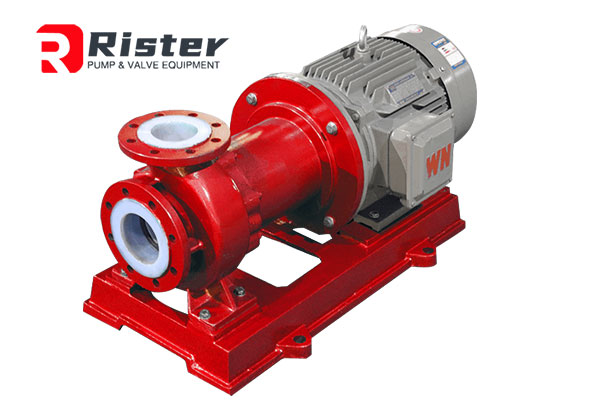
Magnetic Drive Pumps for Reliable Chemical Transfer Applications

Magnetic Drive Pumps for Reliable Chemical Transfer Applications

PTFE magnetic pump

In modern chemical processing, selecting the right magnetic drive pump is critical for safe and efficient fluid handling. Unlike conventional sealed pumps, magnetic drive technology eliminates mechanical seals, ensuring leak-free operation when transferring corrosive, toxic, or high-purity liquids. This makes it an ideal solution for demanding applications across the chemical industry.

A high-performance chemical transfer pump must withstand aggressive media such as acids, alkalis, and saline solutions. Magnetic drive designs are widely used as an acid pump and hcl transfer pump, offering excellent corrosion resistance when combined with PTFE, PFA, or other fluoropolymer-lined materials. Their seal-less structure significantly reduces maintenance costs and improves plant safety.

In industries such as water treatment and desalination, magnetic drive pumps are also commonly applied as a brine pump. The smooth internal surfaces and non-metallic wetted parts resist chloride corrosion and scaling, ensuring stable performance in continuous operation environments. Precise flow control further supports efficient chemical dosing and process stability.


With decades of experience in the chemical equipment industry, RISTER provides reliable magnetic drive pump solutions tailored to real industrial needs. RISTER’s engineering expertise, strict quality control, and deep understanding of chemical processes allow customers to achieve long service life, high safety standards, and optimized operating costs. As a trusted partner, RISTER continues to support global chemical plants with proven technology and professional service.

Technical Insights into Sulfuric Acid Pumps Choosing the Right H2SO4 Pump for Industrial Applications

Technical Insights into Sulfuric Acid Pumps: Choosing the Right H2SO4 Pump for Industrial Applications

Sulfuric acid (H₂SO₄) is among the most widely used industrial chemicals, essential in sectors such as fertilizer production, petroleum refining, battery manufacturing, and chemical processing. However, its highly corrosive nature requires specially designed sulphuric acid pumps to ensure safe and efficient handling. In industrial environments where uptime, safety, and long-term reliability are critical, choosing the right H2SO4 pumps is a technical necessity rather than a simple equipment choice.

Key Design Considerations for H2SO4 Pumps

Transferring sulfuric acid requires more than just chemical resistance; it demands robust engineering. H2SO4 pumps must withstand a wide range of concentrations—from dilute solutions to highly concentrated forms—and must do so without degrading, leaking, or introducing contaminants. Proper selection of materials, seals, and internal components is crucial. Pumps made from or lined with chemically inert materials such as PTFE (Teflon) are especially effective, as they resist corrosion and maintain structural integrity under extreme operating conditions.

Teflon Pumps: A Superior Solution for Sulfuric Acid Transfer

PTFE-lined or fully Teflon sulphuric acid pumps offer unmatched chemical resistance and thermal stability. Teflon’s non-reactive surface prevents the acid from attacking the pump’s internal components, dramatically extending service life and reducing maintenance frequency. Additionally, Teflon pumps help maintain fluid purity, which is essential in applications where contamination can impact product quality or downstream processes. Their resistance to both high temperatures and chemical attack makes them ideal for handling aggressive acids like sulfuric acid.

RISTER PUMPS: Excellence in H2SO4 Pump Engineering

When it comes to designing and manufacturing reliable H2SO4 pumps, RISTER PUMPS has positioned itself as a leader in the industry. With years of experience in corrosive fluid handling, RISTER specializes in producing Teflon-lined centrifugal and magnetic pumps optimized for sulfuric acid applications. These pumps are engineered with safety, durability, and performance in mind, ensuring stable operation even under the most demanding chemical conditions.

RISTER’s Competitive Advantage

Beyond product quality, RISTER PUMPS delivers added value through technical consulting, rapid customization, and fast delivery cycles. Their team of engineers works closely with clients to provide pump configurations that meet exact system requirements, whether for large-scale chemical production or precise dosing applications. RISTER’s deep understanding of acid dynamics, combined with premium materials and modern manufacturing, makes them the go-to choice for industrial users in need of high-performance sulphuric acid pumps.

In conclusion, handling sulfuric acid safely and efficiently starts with the right technology. With advanced Teflon pump solutions and unmatched industry expertise, RISTER PUMPS offers a complete answer to your H2SO4 pump needs—ensuring long-term safety, operational efficiency, and cost-effectiveness.